


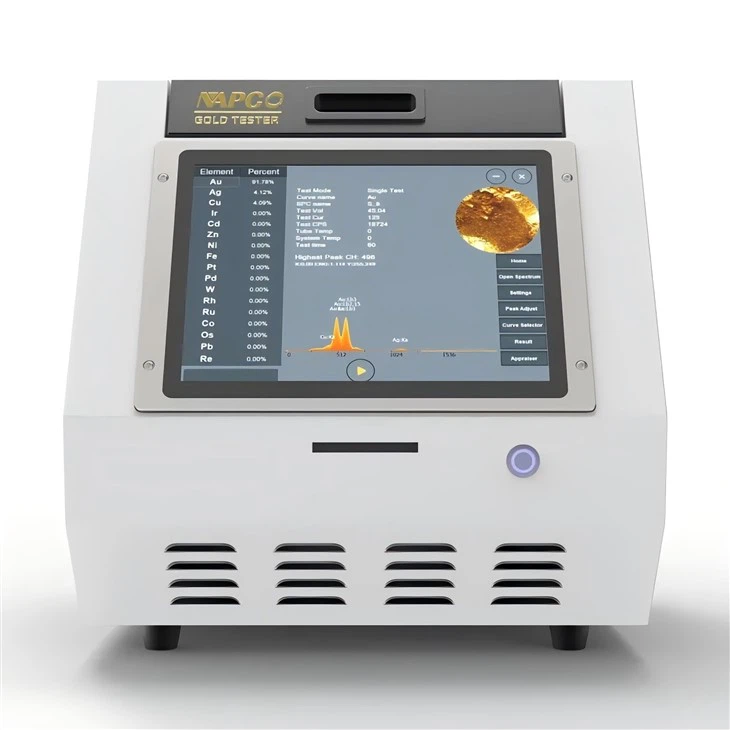
As a supplier of XRF gold testing equipment, I often encounter inquiries from potential customers about whether operating an XRF (X-ray Fluorescence) tester requires special training. This is a crucial question, especially for those new to the field of precious metal testing. In this blog post, I'll delve into the intricacies of XRF testing, explore the need for special training, and discuss how our products, such as the NAP 8200E XRF Gold Tester, N1-10 XRF Gold Tester, and N1-25 XRF Gold Tester, fit into this scenario.
Understanding XRF Testing
XRF testing is a non-destructive analytical technique used to determine the elemental composition of a sample. In the context of gold testing, it can accurately identify the purity of gold and detect other elements present in the alloy. The process involves directing X-rays at the sample, which causes the atoms in the sample to emit secondary X-rays, known as fluorescent X-rays. The energy and intensity of these fluorescent X-rays are then measured to identify the elements and their concentrations in the sample.
The Complexity of XRF Testing
At first glance, the concept of XRF testing may seem straightforward. However, there are several factors that contribute to the complexity of operating an XRF tester effectively.

1. Instrument Calibration
Calibration is a critical step in ensuring accurate and reliable test results. Each XRF tester needs to be calibrated regularly using certified reference materials. The calibration process involves adjusting the instrument to account for variations in X-ray intensity, detector response, and other factors. Improper calibration can lead to inaccurate results, which can have significant consequences, especially in the precious metals industry.
2. Sample Preparation
Proper sample preparation is essential for obtaining accurate results. The surface of the sample needs to be clean and free of contaminants, as these can interfere with the X-ray fluorescence process. Additionally, the sample needs to be positioned correctly in the testing chamber to ensure that the X-rays are directed at the appropriate area of the sample.
3. Interpretation of Results
Interpreting the results of an XRF test requires a certain level of knowledge and expertise. The test results are typically presented in the form of a spectrum, which shows the energy and intensity of the fluorescent X-rays. Understanding this spectrum and being able to identify the elements and their concentrations requires training and experience.
The Need for Special Training
Given the complexity of XRF testing, it is clear that some level of special training is required to operate an XRF tester effectively. Here are some reasons why special training is necessary:
1. Safety
XRF testers use X-rays, which can be harmful if not handled properly. Special training ensures that operators are aware of the safety protocols and procedures for using the instrument safely. This includes wearing appropriate personal protective equipment, such as lead aprons and gloves, and following proper handling and storage procedures for the X-ray source.
2. Accuracy and Reliability
As mentioned earlier, proper calibration, sample preparation, and interpretation of results are essential for obtaining accurate and reliable test results. Special training provides operators with the knowledge and skills necessary to perform these tasks correctly, which helps to ensure the accuracy and reliability of the test results.
3. Troubleshooting
In the event of a problem or malfunction with the XRF tester, operators need to be able to troubleshoot the issue quickly and effectively. Special training equips operators with the knowledge and skills necessary to identify and resolve common problems, such as instrument calibration issues, sample preparation problems, and software errors.
Our Approach to Training
At our company, we understand the importance of providing our customers with the necessary training to operate our XRF gold testers effectively. We offer comprehensive training programs that cover all aspects of XRF testing, including instrument operation, calibration, sample preparation, and interpretation of results.
Our training programs are conducted by experienced technicians who have extensive knowledge and expertise in XRF testing. The training is hands-on, which means that operators have the opportunity to practice using the instrument and performing real-world tests under the guidance of our technicians.
In addition to our in-person training programs, we also offer online training resources, such as video tutorials and user manuals. These resources provide operators with additional support and guidance, and they can be accessed at any time, from anywhere.
Our XRF Gold Testers
Our company offers a range of XRF gold testers, including the NAP 8200E XRF Gold Tester, N1-10 XRF Gold Tester, and N1-25 XRF Gold Tester. These testers are designed to be user-friendly and easy to operate, even for those with limited experience in XRF testing.
Our XRF gold testers are equipped with advanced features and technologies that make them highly accurate and reliable. For example, they use high-resolution detectors and advanced software algorithms to provide precise and detailed test results. Additionally, our testers are designed to be portable and lightweight, which makes them ideal for use in a variety of settings, such as jewelry stores, pawn shops, and precious metals refineries.
Conclusion
In conclusion, operating an XRF tester requires special training to ensure safety, accuracy, and reliability. At our company, we are committed to providing our customers with the necessary training and support to operate our XRF gold testers effectively. Our comprehensive training programs and user-friendly instruments make it easy for operators to learn and master the art of XRF testing.
If you are interested in purchasing an XRF gold tester or learning more about our training programs, please contact us to start a procurement discussion. We look forward to helping you meet your precious metal testing needs.
References
- "X-ray Fluorescence Spectroscopy: Principles and Applications" by David A. Skoog, F. James Holler, and Stanley R. Crouch.
- "Practical Guide to X-ray Fluorescence Spectrometry" by Ronald Jenkins.