


Coating Thickness Tester
Your Professional Coating Thickness Tester Supplier
Napco Precision Instrument Co., Ltd., founded in 2004, is a distinguished leader in the field of precision instrumentation. Specializing in the manufacturing of cutting-edge XRF spectrometers, densimeters, precision electronic balances, and moisture analyzers, we have set the industry standard for accuracy, reliability, and innovation.

Why choose us
Trusted Technical Workforce
To ensure the authenticity and quality of every machine, we operate with an in-house R&D team. Our technical workforce comprises over 50 highly skilled engineers. The structuring and modeling of our machines are driven by the latest innovations, as well as customer demands, needs, and pain points.
Certifications
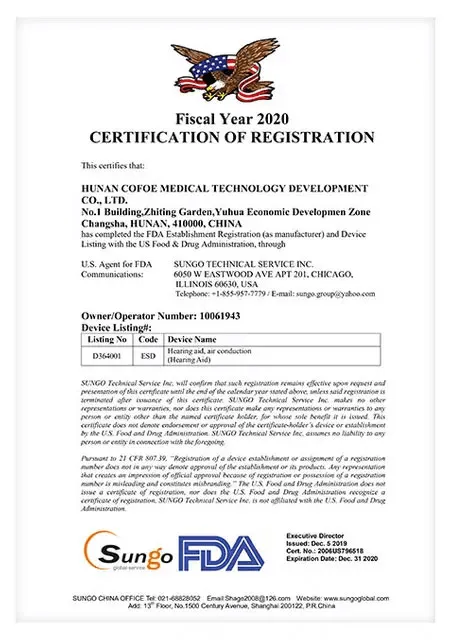
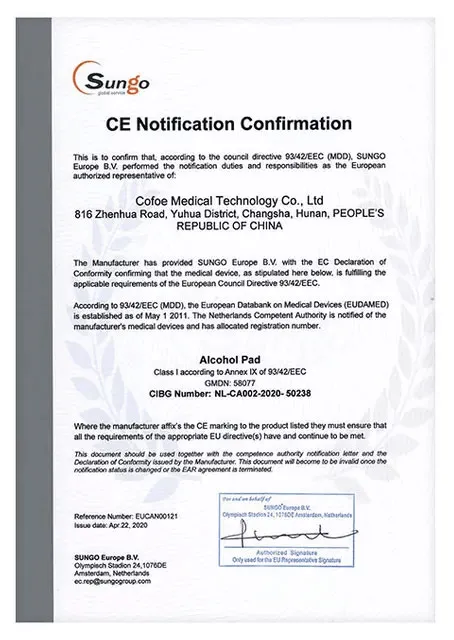
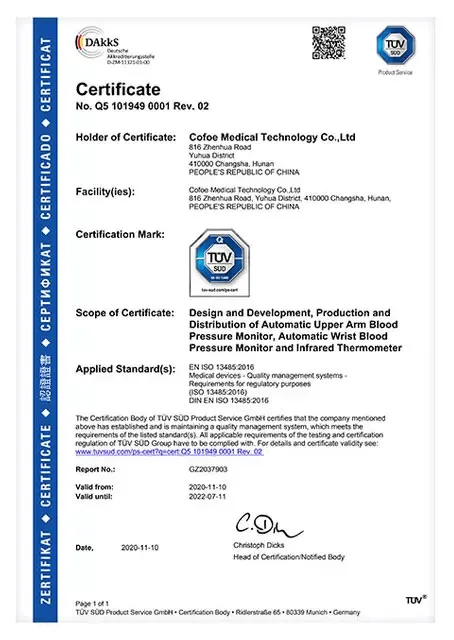
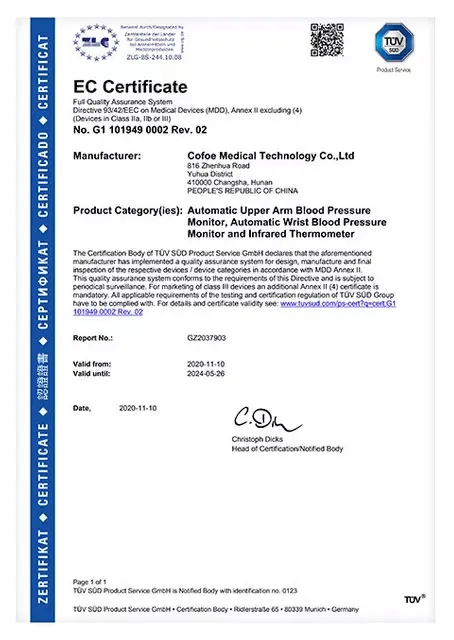
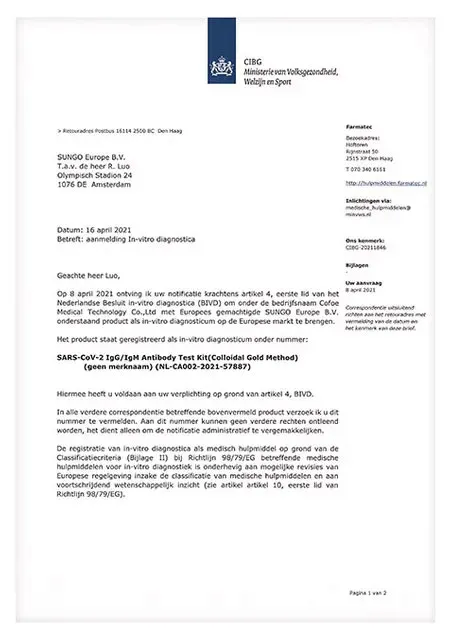
We have obtained CE certification along with various patents. These certifications demonstrate our commitment to quality management in scientific processes, refinement, standardization, and product development, ensuring that our operations comply with international standards.
High Quality Standards
We have a strong professional research and technology team that supports our commitment to quality. Our products have been proven in the market over many years. They are built to meet both industrial and global standards. Every instrument is thoroughly inspected and approved by our quality control team before delivery.
Faultless Service
We have a professional customer service team that provides one-on-one support. We offer a worry-free, one-stop service experience. Our comprehensive after-sales and quality assurance policies ensure peace of mind. All instruments are guaranteed for one year, with lifetime maintenance. (Gold Purity Testers are covered for two years.)

The Mark 980 is an XRF (X-ray fluorescence) coating thickness tester. When X-rays interact with a material, they eject electrons from the inner layers of the atoms—a process known as ionization. Once an inner electron is removed, an outer-shell electron drops down to fill the vacancy. This transition releases energy in the form of fluorescent radiation.
The coating thickness tester detects this fluorescent radiation and generates a corresponding spectrum. This spectrum is displayed on the screen, allowing the user to determine the thickness of the coating once the main element of the coating is selected.
The X-ray thickness tester can accurately measure single-layer coatings, regardless of the shape or surface condition of the tested object.
|
Mark 980 |
Specifications |
|
Detector |
High performance Si-Pin detector /Optimized SDD detector |
|
Filter |
Multi position automatic filter changer |
|
Window |
Kapton with anti-puncture window design optional |
|
Collimator |
5mm collimator |
|
Battery |
7.2V Li-ion battery,6800mAh |
|
Display |
Capacitive touch color display |
|
Data storage |
100000+data storage |
|
Data transfer |
WiFi,USB |
|
Radiation safety |
Safety guard device, tube shutoff while no sample , Password-protected user security |
|
Camera(optional) |
Integrated CCD camera with autofocus lens for positioning and recording measuring point positions |
|
Thickness |
Generally within 50um (depending on material) Repeatability up to 0.1% |
|
Environment Temp |
-10°C~50°C Humidity 0%~80% |
|
Weight |
Approx. 1.5kg (3.3 lbs) including battery |
|
Dimensions |
L x W x H: 220 mm*91 mm*276 mm |
|
Software language |
English and other languages |
Key Points Explained
●XRF technology can measure coating thicknesses ranging from about 1nm to 50µm.
●Below 1nm, the X-ray signals are too weak to be distinguished from noise.
●Above 50µm, the X-rays are attenuated too much by the coating to provide reliable measurements of the substrate or deeper layers.
●For thinner coatings, X-rays can penetrate the coating and provide readings for both the coating material and the substrate.
●As the coating thickness increases, the intensity of the X-rays reaching the substrate decreases due to attenuation by the coating material.
●XRF is a non-destructive technique, meaning it does not alter or damage the sample being measured.
●This makes it ideal for quality control and inspection processes where preserving the integrity of the sample is important.
●XRF can be used to measure coatings on a wide range of substrates, including metals, polymers, ceramics, and glass.
●This versatility makes it a valuable tool in industries such as electronics, automotive, aerospace, and manufacturing.
●Other methods for measuring thin film thickness include X-ray reflectivity (XRR), cross-sectional scanning electron microscopy (SEM), cross-sectional transmission electron microscopy (TEM), and ellipsometry.
●Each method has its own advantages and limitations, but XRF is particularly noted for its non-destructive nature and ability to measure a wide range of materials and thicknesses.
●Powerful, high-sensitivity technology delivers results in seconds
●Non-destructive testing safe for finished goods
●Automated features increase productivity
●Analyze up to four layers and the substrate, plus bath solution
●Easy to use by non-specialist operators
●Measurement methods meets ISO 3497, ASTM B568 and DIN 50987
●Large chamber accommodates a wide range of samples
●Customizable options to suit your application

Here are three considerations regarding the applicability of XRF.
●Conversion coatings are typically colorless, making visual inspection impossible.
●For XRF to work, coatings must contain a metal element.
●The rival methods of thickness measurement, such as cross-sectioning parts and SEM analysis, are destructive; XRF is not only non-destructive, but sample prep is simple, and testing can be accomplished by operators at all skill levels.
Certifications
FAQ
We're well-known as one of the leading coating thickness tester manufacturers and suppliers in China. We warmly welcome you to wholesale high quality coating thickness tester at competitive price from our factory. Contact us for more details.