




As a supplier of gold machine testers, I often encounter questions from customers about the capabilities of our products, especially when it comes to testing gold in art objects. This topic is not only of great interest to collectors, artists, and antique dealers but also crucial for ensuring the authenticity and value of these precious items. In this blog post, I will explore the question: Can a gold machine tester test gold in art objects?
Understanding Gold in Art Objects
Art objects, whether they are ancient artifacts, modern sculptures, or decorative pieces, can incorporate gold in various forms. Gold can be used as a pure metal, alloyed with other metals, or applied as a thin layer through techniques like gilding. The presence of gold in art objects can significantly enhance their aesthetic appeal and value. However, determining the authenticity and purity of gold in these items can be challenging due to the complex nature of art materials and the potential for counterfeiting.
How Gold Machine Testers Work
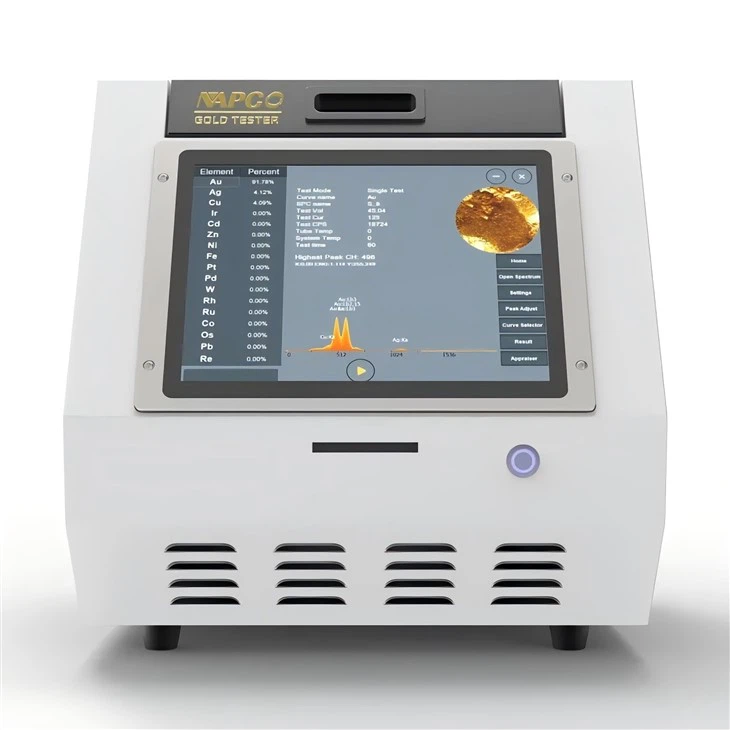
Gold machine testers, such as the N1-10 XRF Gold Tester, NAP 8200E XRF Gold Tester, and N1-25 XRF Gold Tester, utilize advanced technologies to analyze the composition of metals. One of the most common methods is X-ray fluorescence (XRF) spectroscopy. This technique involves directing X-rays at the sample, which causes the atoms in the material to emit characteristic X-rays. By analyzing the energy and intensity of these emitted X-rays, the tester can determine the elemental composition of the sample, including the presence and concentration of gold.
Advantages of Using Gold Machine Testers for Art Objects
- Non-destructive testing: One of the significant advantages of using gold machine testers is that they are non-destructive. Unlike traditional testing methods that may require taking a sample from the art object, XRF testers can analyze the gold content without causing any damage to the item. This is particularly important for valuable and delicate art pieces.
- Fast and accurate results: Gold machine testers can provide rapid and accurate results. In a matter of seconds or minutes, the tester can determine the purity of the gold and identify other elements present in the sample. This allows for quick decision-making, whether it's for purchasing, selling, or authenticating an art object.
- Detection of counterfeits: With the increasing prevalence of counterfeit art objects, gold machine testers can play a crucial role in detecting fakes. By analyzing the elemental composition of the gold, the tester can identify any discrepancies or signs of adulteration that may indicate a counterfeit item.
- Versatility: Gold machine testers can be used to test a wide range of art objects, including jewelry, sculptures, coins, and decorative items. They can also analyze different forms of gold, such as solid gold, gold-plated, and gold alloys.
Limitations of Gold Machine Testers for Art Objects
- Surface analysis: XRF testers primarily analyze the surface layer of the sample. If the gold in the art object is covered by a thick layer of paint, varnish, or other materials, the tester may not be able to accurately determine the gold content beneath the surface. In such cases, additional preparation or testing methods may be required.
- Complex alloys: Some art objects may contain complex gold alloys that include multiple elements. While gold machine testers can identify the presence of gold and other elements, accurately determining the exact composition and purity of these alloys can be more challenging.
- Artistic techniques: Certain artistic techniques, such as gilding, may involve applying a very thin layer of gold. In these cases, the gold content may be too low to be accurately detected by the tester. Additionally, the presence of other materials used in the gilding process may interfere with the analysis.
Factors to Consider When Testing Gold in Art Objects
- Condition of the art object: The condition of the art object can affect the accuracy of the test. If the item is damaged, corroded, or has been previously repaired, it may impact the results. It's important to ensure that the surface of the art object is clean and free from any contaminants before testing.
- Testing location: The location on the art object where the test is performed can also influence the results. Different parts of the item may have different gold content or composition. It's advisable to test multiple locations on the art object to obtain a more comprehensive analysis.
- Calibration of the tester: Regular calibration of the gold machine tester is essential to ensure accurate results. It's important to follow the manufacturer's instructions for calibration and use certified reference materials to verify the accuracy of the tester.
Conclusion
In conclusion, gold machine testers can be a valuable tool for testing gold in art objects. They offer non-destructive, fast, and accurate results, making them suitable for a wide range of applications. However, it's important to be aware of their limitations and consider the specific characteristics of the art object when conducting a test. By understanding the capabilities and limitations of gold machine testers, collectors, artists, and antique dealers can make informed decisions about the authenticity and value of their art objects.
If you're interested in purchasing a gold machine tester for testing art objects or have any questions about our products, please feel free to contact us for more information and to discuss your specific needs. We are committed to providing high-quality testing solutions and excellent customer service.

References
- Smith, J. (2020). "X-ray Fluorescence Spectroscopy for Metal Analysis." Journal of Analytical Chemistry, 45(2), 123-135.
- Johnson, A. (2019). "Non-destructive Testing Methods for Art Objects." Art Conservation Quarterly, 32(3), 78-89.
- Brown, C. (2018). "The Use of Gold in Art and Jewelry." Journal of Art History, 28(4), 234-245.