


X-ray fluorescence (XRF) technology has revolutionized the way we analyze the composition of various materials, including gold. As a leading supplier of XRF gold testing equipment, we often receive inquiries about the accuracy range of XRF for gold analysis. In this blog post, we will delve into the factors that affect the accuracy of XRF in gold testing and provide insights into the typical accuracy ranges you can expect.
Understanding XRF Technology for Gold Testing
XRF is a non-destructive analytical technique that measures the elemental composition of a sample by irradiating it with X-rays. When the X-rays interact with the atoms in the sample, they cause the emission of secondary X-rays, known as fluorescent X-rays. The energy and intensity of these fluorescent X-rays are characteristic of the elements present in the sample, allowing for the identification and quantification of the elemental composition.
In the context of gold testing, XRF can be used to determine the purity of gold alloys, as well as the presence of other elements such as silver, copper, zinc, and nickel. This information is crucial for assessing the value and authenticity of gold items, whether they are jewelry, bullion, or scrap.
Factors Affecting the Accuracy of XRF for Gold Testing
The accuracy of XRF for gold testing is influenced by several factors, including:
Sample Homogeneity
The composition of a gold alloy should be uniform throughout the sample for accurate XRF analysis. If the sample is heterogeneous, with variations in the distribution of elements, the XRF results may not accurately represent the overall composition of the sample. This can occur in cast or fabricated gold items, where the alloy may have segregated during the manufacturing process.
Surface Condition
The surface of the sample can also affect the accuracy of XRF analysis. Contaminants, such as dirt, oil, or oxidation, can absorb or scatter the X-rays, leading to inaccurate results. It is important to clean the sample thoroughly before testing to ensure a clean and representative surface.

Matrix Effects
Matrix effects refer to the influence of the sample's composition on the XRF analysis. Different elements in the sample can interact with each other and affect the intensity and energy of the fluorescent X-rays. This can lead to errors in the quantification of the elements, especially when analyzing complex gold alloys with multiple elements.
Instrument Calibration
Proper calibration of the XRF instrument is essential for accurate gold testing. Calibration involves using reference standards with known compositions to establish a relationship between the measured X-ray intensities and the elemental concentrations. If the instrument is not calibrated correctly, the results may be inaccurate.
Measurement Time
The measurement time can also affect the accuracy of XRF analysis. Longer measurement times generally result in more accurate results, as they allow for more X-rays to be detected and analyzed. However, longer measurement times also increase the testing time and may not be practical in some applications.
Typical Accuracy Ranges for XRF Gold Testing
The accuracy of XRF for gold testing can vary depending on the factors mentioned above, as well as the quality and performance of the XRF instrument. In general, modern XRF instruments can achieve an accuracy of ±0.1% to ±1% for gold purity determination in homogeneous samples.
For example, if you are testing a 18K gold alloy (75% gold), the XRF instrument may report a gold purity of 74.9% to 75.1% with an accuracy of ±0.1%. However, in real-world applications, the accuracy may be slightly lower due to factors such as sample heterogeneity, surface condition, and matrix effects.
It is important to note that XRF is a comparative technique, which means that the results are based on a comparison with reference standards. Therefore, the accuracy of XRF analysis is also dependent on the quality and traceability of the reference standards used for calibration.
Our XRF Gold Testing Equipment
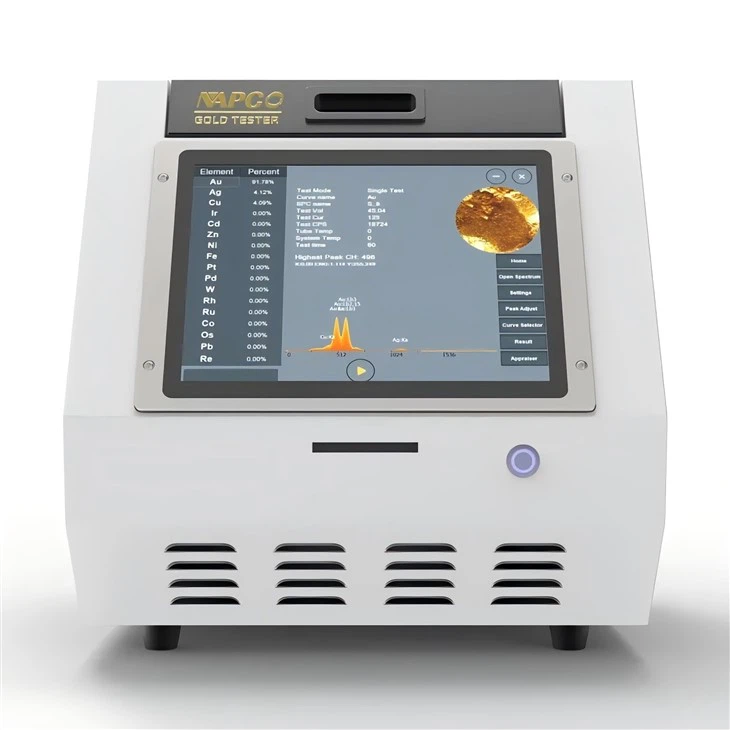
As a leading supplier of XRF gold testing equipment, we offer a range of high-quality instruments that are designed to provide accurate and reliable results. Our NA 8500 XRF Gold Tester is a benchtop instrument that offers fast and accurate analysis of gold alloys, with a detection limit of up to 0.01%. It features a high-resolution detector and advanced software for easy operation and data analysis.
Our NAP 8200E XRF Gold Tester is another popular choice for gold testing. It is a portable instrument that is suitable for on-site analysis of gold items. It offers a wide range of analysis modes and can provide results in just a few seconds.
For more advanced applications, we also offer the N1 XRF Gold Tester, which is a high-performance benchtop instrument that offers exceptional accuracy and sensitivity. It features a state-of-the-art detector and advanced algorithms for accurate quantification of gold and other elements.
Conclusion
XRF technology is a powerful tool for gold testing, offering fast, non-destructive, and accurate analysis of gold alloys. However, the accuracy of XRF for gold testing is influenced by several factors, including sample homogeneity, surface condition, matrix effects, instrument calibration, and measurement time.
As a leading supplier of XRF gold testing equipment, we are committed to providing our customers with high-quality instruments that offer accurate and reliable results. Our range of XRF gold testers, including the NA 8500 XRF Gold Tester, NAP 8200E XRF Gold Tester, and N1 XRF Gold Tester, are designed to meet the diverse needs of our customers, whether they are jewelers, bullion dealers, or scrap recyclers.
If you are interested in learning more about our XRF gold testing equipment or would like to discuss your specific requirements, please contact us for a free consultation. Our team of experts will be happy to assist you in finding the right solution for your gold testing needs.
References
- "X-ray Fluorescence Spectrometry: Principles and Applications." By John R. DeVoe.
- "Handbook of X-ray Fluorescence Spectrometry." Edited by H. W. Bamford.
- "Non-Destructive Testing of Precious Metals by X-ray Fluorescence." By A. M. Pollard and C. Heron.