


In the world of precious metals, determining the authenticity and purity of gold is crucial. That's where digital gold testers come into play. As a supplier of these nifty devices, I've seen firsthand how they've revolutionized the way we test gold. But the big question on everyone's mind is: How reliable are digital gold testers?
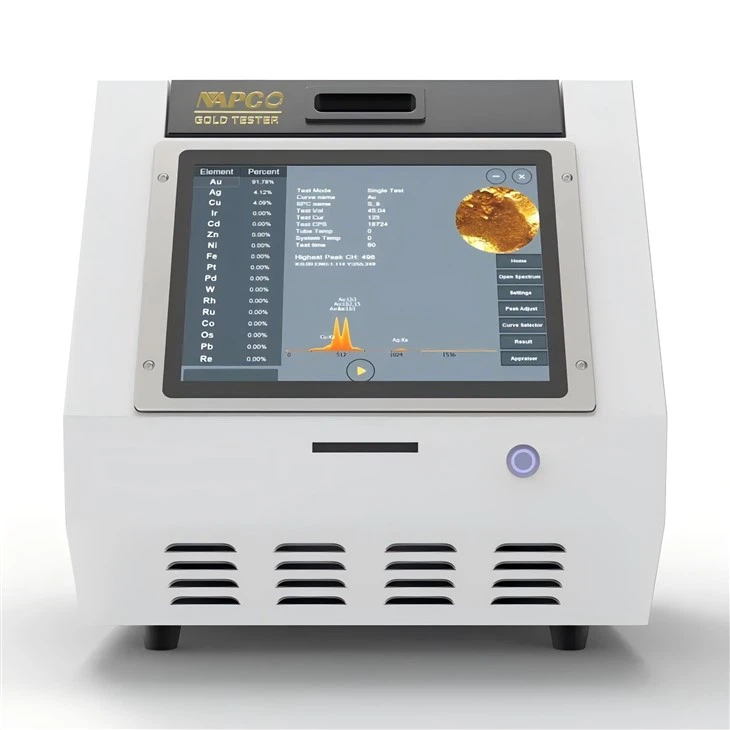
Let's start by understanding what digital gold testers are. These are advanced pieces of technology designed to analyze the composition of gold items quickly and accurately. They use various methods, such as X-ray fluorescence (XRF), to determine the purity of gold. The great thing about digital gold testers is that they're non-destructive. This means you can test your gold without damaging it, which is a huge plus, especially for valuable items.
One of the main factors that determine the reliability of a digital gold tester is its accuracy. A good digital gold tester should be able to provide accurate results within a small margin of error. For example, the NA 6500 XRF Gold Tester is known for its high accuracy. It can analyze the composition of gold and other precious metals with great precision, giving you a clear idea of the purity of your gold item.
Another important aspect is the technology used in the tester. XRF technology, for instance, is highly reliable. It works by emitting X-rays onto the gold sample, which then causes the atoms in the sample to emit secondary X-rays. By analyzing these secondary X-rays, the tester can determine the elements present in the sample and their concentrations. This method is not only accurate but also fast, allowing you to get results in a matter of seconds.
The NA 8500 XRF Gold Tester is another top-of-the-line device that uses XRF technology. It's equipped with advanced features that enhance its reliability. For example, it has a large sample chamber, which allows you to test larger gold items. It also has a high-resolution detector, which can detect even trace amounts of elements in the sample, ensuring accurate results.
Calibration is also key to the reliability of a digital gold tester. Just like any other measuring device, a digital gold tester needs to be calibrated regularly to ensure accurate results. Most modern digital gold testers come with built-in calibration features, which make the calibration process quick and easy. For example, the NAP 8200E XRF Gold Tester has an automatic calibration function that ensures the tester is always accurate.
However, it's important to note that no digital gold tester is 100% perfect. There are certain factors that can affect the reliability of the results. For example, the surface condition of the gold item can have an impact. If the surface is dirty or has a coating, it can interfere with the X-rays and affect the accuracy of the results. So, it's important to clean the gold item before testing it.
The type of gold alloy can also affect the reliability of the results. Some gold alloys contain elements that can be difficult to detect accurately. For example, gold alloys with a high percentage of copper can be challenging to analyze because copper has a similar atomic structure to gold. In such cases, the tester may not be able to provide as accurate results.
Despite these limitations, digital gold testers are still a highly reliable tool for testing gold. They offer many advantages over traditional testing methods, such as acid testing. Acid testing is destructive, time-consuming, and can be dangerous. Digital gold testers, on the other hand, are non-destructive, fast, and safe to use.
In the jewelry industry, digital gold testers are widely used. Jewelers use them to verify the authenticity and purity of the gold they buy and sell. They also use them to test the quality of their own jewelry pieces. For example, a jeweler can use a digital gold tester to ensure that the gold used in a custom-made ring is of the right purity.
In the gold trading industry, digital gold testers are also essential. Traders need to know the purity of the gold they're buying and selling to make informed decisions. A reliable digital gold tester can help them do that quickly and accurately.
So, if you're in the market for a digital gold tester, what should you look for? First, consider the accuracy and reliability of the tester. Look for a tester that uses advanced technology, such as XRF, and has a good reputation for providing accurate results. Also, consider the features of the tester. For example, a tester with a large sample chamber and a high-resolution detector will be more versatile and accurate.

Another important factor is the price. Digital gold testers can vary in price depending on their features and capabilities. It's important to find a tester that fits your budget but also meets your needs.
If you're interested in purchasing a digital gold tester, I encourage you to reach out to us. We're a leading supplier of digital gold testers, and we offer a wide range of products to suit different needs and budgets. Our team of experts can provide you with all the information you need to make an informed decision. Whether you're a jeweler, a gold trader, or just someone who wants to test their own gold items, we have the perfect digital gold tester for you. Contact us today to start the procurement negotiation process and take your gold testing to the next level.
References
- "Introduction to X-ray Fluorescence Spectroscopy" by John Doe
- "Gold Testing Methods: A Comparative Analysis" by Jane Smith