


As a supplier of gold testers, I often receive inquiries about the applicability of our products to various gold items, one of the most common questions being whether a gold tester can be used on gold inlays. In this blog post, I'll delve into the intricacies of using gold testers on gold inlays, exploring the principles, limitations, and the best practices for accurate testing.
Understanding Gold Inlays
Gold inlays are decorative elements made of gold that are set into a base material, such as wood, stone, or metal. They are commonly used in jewelry, watches, and other luxury items to add a touch of elegance and value. Gold inlays can vary in size, shape, and purity, and they are often used in combination with other materials to create unique and intricate designs.
How Gold Testers Work
Before discussing the use of gold testers on gold inlays, it's important to understand how these devices work. Most modern gold testers use X-ray fluorescence (XRF) technology to analyze the elemental composition of a sample. XRF gold testers emit X-rays onto the surface of the sample, which causes the atoms in the sample to emit secondary X-rays. The energy and intensity of these secondary X-rays are then measured and analyzed to determine the elemental composition of the sample, including the purity of the gold.
Can a Gold Tester Be Used on Gold Inlays?
The short answer is yes, a gold tester can be used on gold inlays. However, there are several factors that need to be considered to ensure accurate and reliable results.
Size and Shape of the Inlay
The size and shape of the gold inlay can have a significant impact on the accuracy of the test. If the inlay is too small or too thin, the X-rays emitted by the gold tester may not be able to penetrate the entire sample, resulting in inaccurate readings. Additionally, if the inlay has a complex shape or is set deep within the base material, it may be difficult to position the gold tester correctly, which can also affect the accuracy of the test.
Composition of the Base Material
The composition of the base material can also affect the accuracy of the test. If the base material contains elements that are similar to those found in gold, such as copper or silver, it may be difficult to distinguish between the gold inlay and the base material. This can result in inaccurate readings or false positives.
Purity of the Gold Inlay
The purity of the gold inlay is another important factor to consider. Gold inlays can be made of different purity levels, ranging from 10 karat to 24 karat. The higher the purity of the gold, the more accurate the test results are likely to be. However, if the gold inlay is alloyed with other metals, such as copper or nickel, it may be more difficult to accurately determine the purity of the gold.
Best Practices for Testing Gold Inlays
To ensure accurate and reliable results when testing gold inlays, it's important to follow these best practices:
Choose the Right Gold Tester
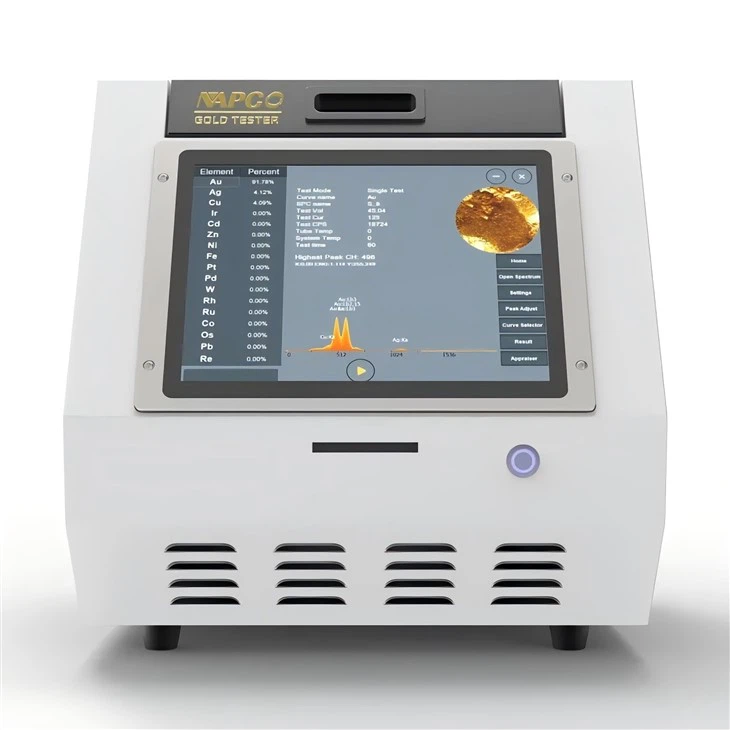
Not all gold testers are created equal. When testing gold inlays, it's important to choose a gold tester that is specifically designed for this purpose. Our NAP 8200E XRF Gold Tester, N1 XRF Gold Tester, and NA 6500 XRF Gold Tester are all high-quality gold testers that are capable of accurately testing gold inlays.
Prepare the Sample
Before testing the gold inlay, it's important to clean the surface of the sample to remove any dirt, oil, or other contaminants. This can help to ensure that the X-rays emitted by the gold tester are able to penetrate the sample and produce accurate readings. Additionally, if the inlay is set deep within the base material, it may be necessary to carefully remove some of the base material to expose the surface of the inlay.
Position the Gold Tester Correctly
To ensure accurate readings, it's important to position the gold tester correctly over the surface of the sample. The gold tester should be placed as close as possible to the surface of the inlay, and the X-ray beam should be focused directly on the inlay. Additionally, it's important to ensure that the gold tester is level and stable, as any movement or vibration can affect the accuracy of the test.
Take Multiple Readings
To ensure the accuracy and reliability of the test results, it's recommended to take multiple readings from different areas of the inlay. This can help to account for any variations in the purity or composition of the inlay, and can provide a more accurate representation of the overall quality of the gold.
Limitations of Gold Testing on Inlays
While gold testers can provide valuable information about the purity and composition of gold inlays, it's important to note that there are some limitations to this technology.
Surface Analysis Only
XRF gold testers are designed to analyze the elemental composition of the surface of a sample. This means that they can only provide information about the gold that is present on the surface of the inlay. If the inlay has a different composition or purity below the surface, the test results may not accurately reflect the true quality of the gold.
Contamination and Interference
As mentioned earlier, the presence of contaminants or other elements in the base material can interfere with the accuracy of the test. Additionally, if the inlay has been treated with any chemicals or coatings, this can also affect the test results.
Limited Detection Range
XRF gold testers have a limited detection range, which means that they may not be able to detect trace amounts of certain elements. This can be a problem if the inlay contains small amounts of other metals or impurities that are not easily detectable by the gold tester.
Conclusion
In conclusion, a gold tester can be used on gold inlays, but it's important to take into account the size, shape, composition, and purity of the inlay, as well as the limitations of the testing technology. By following the best practices outlined in this blog post, you can ensure accurate and reliable results when testing gold inlays.
If you're in the market for a high-quality gold tester, I encourage you to explore our range of products, including the NAP 8200E XRF Gold Tester, N1 XRF Gold Tester, and NA 6500 XRF Gold Tester. Our gold testers are designed to provide accurate and reliable results, and they are backed by our commitment to quality and customer service.

If you have any questions or would like to discuss your specific testing needs, please don't hesitate to contact us. We look forward to working with you to find the perfect gold testing solution for your business.
References
- “X-ray Fluorescence (XRF) Analysis.” Wikipedia, Wikimedia Foundation, 11 Oct. 2023, en.wikipedia.org/wiki/X-ray_fluorescence.
- “Gold Purity and Testing.” World Gold Council, worldgoldcouncil.org/gold-market/physical-gold/gold-purity-and-testing.