


As a supplier of benchtop gold testers, I often encounter questions from customers about the capabilities of our products. One of the most common inquiries is whether a benchtop gold tester can test gold earrings. In this blog post, I will delve into this topic, exploring the functionality of benchtop gold testers and their effectiveness in testing gold earrings.
Understanding Benchtop Gold Testers
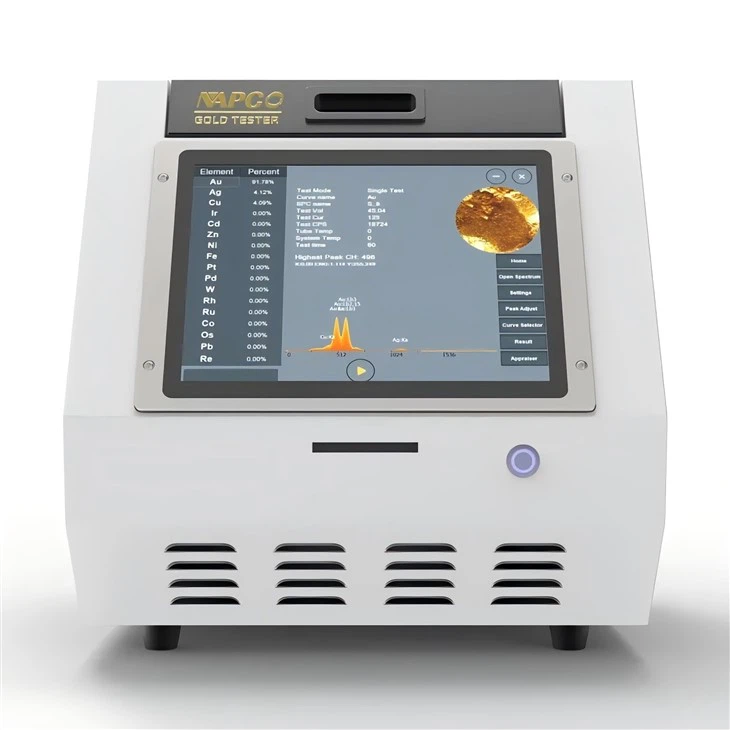
Benchtop gold testers are sophisticated instruments designed to accurately determine the purity and composition of gold and other precious metals. These devices utilize advanced technologies such as X-ray fluorescence (XRF) to analyze the elemental makeup of a sample without causing any damage. XRF technology works by emitting X-rays onto the surface of the sample, which then causes the atoms in the sample to emit secondary X-rays. By analyzing the energy and intensity of these secondary X-rays, the tester can identify the elements present in the sample and determine their relative concentrations.
There are several types of benchtop gold testers available on the market, each with its own features and capabilities. Some of the popular models offered by our company include the N1-25 XRF Gold Tester, NAP 8200E XRF Gold Tester, and N1-10 XRF Gold Tester. These testers are known for their high accuracy, reliability, and ease of use, making them ideal for both professional jewelers and gold enthusiasts.

Testing Gold Earrings with Benchtop Gold Testers
Now, let's address the question at hand: Can a benchtop gold tester test gold earrings? The answer is a resounding yes. Benchtop gold testers are highly effective in testing gold earrings, as they can accurately determine the purity of the gold used in the earrings and detect any impurities or alloying elements.
When testing gold earrings, it is important to ensure that the tester is properly calibrated and that the sample is prepared correctly. The earrings should be cleaned thoroughly to remove any dirt, oil, or other contaminants that may affect the accuracy of the test. Once the earrings are clean, they can be placed on the testing platform of the benchtop gold tester, and the test can be initiated.
The benchtop gold tester will then analyze the earrings and provide a detailed report on the purity of the gold, the percentage of other elements present, and the overall quality of the earrings. This information can be invaluable for jewelers, as it allows them to accurately price the earrings and ensure that they are selling genuine gold products.
Advantages of Using Benchtop Gold Testers for Testing Gold Earrings
There are several advantages to using benchtop gold testers for testing gold earrings. Some of these advantages include:
- Accuracy: Benchtop gold testers are highly accurate and can provide precise measurements of the purity of the gold used in the earrings. This ensures that the earrings are genuine and that their value is accurately reflected.
- Non-destructive testing: Unlike traditional methods of testing gold, such as acid testing, benchtop gold testers do not damage the earrings during the testing process. This means that the earrings can be tested without any risk of damage or loss of value.
- Speed: Benchtop gold testers can provide results quickly, allowing jewelers to make informed decisions about the earrings in a timely manner. This can help to increase efficiency and productivity in the jewelry business.
- Versatility: Benchtop gold testers can be used to test a wide range of gold products, including earrings, necklaces, bracelets, and rings. This makes them a versatile tool for jewelers and gold enthusiasts.
Limitations of Benchtop Gold Testers
While benchtop gold testers are highly effective in testing gold earrings, it is important to note that they do have some limitations. Some of these limitations include:
- Surface analysis: Benchtop gold testers can only analyze the surface of the earrings. This means that if the earrings have a coating or plating, the tester may not be able to accurately determine the purity of the underlying gold.
- Sample size: Benchtop gold testers have a limited sample size, which means that they may not be able to test large or bulky earrings. In such cases, it may be necessary to use a different type of gold tester or to cut the earrings into smaller pieces for testing.
- Cost: Benchtop gold testers can be expensive, especially the high-end models. This may make them unaffordable for some jewelers or gold enthusiasts.
Conclusion
In conclusion, benchtop gold testers are highly effective in testing gold earrings. They can provide accurate and reliable results, allowing jewelers to determine the purity of the gold used in the earrings and ensure that they are selling genuine gold products. While benchtop gold testers do have some limitations, these limitations can be overcome by proper sample preparation and the use of appropriate testing techniques.
If you are a jeweler or a gold enthusiast looking for a reliable and accurate way to test gold earrings, I encourage you to consider investing in a benchtop gold tester. Our company offers a wide range of benchtop gold testers, including the N1-25 XRF Gold Tester, NAP 8200E XRF Gold Tester, and N1-10 XRF Gold Tester. These testers are known for their high quality, accuracy, and reliability, and they can provide you with the information you need to make informed decisions about your gold earrings.
If you have any questions or would like to learn more about our benchtop gold testers, please do not hesitate to contact us. We would be happy to assist you and help you find the right tester for your needs.
References
- "X-ray Fluorescence Spectroscopy: Principles and Applications." By Ronald Jenkins, Robert L. Gould, and David Gedcke.
- "Gold Testing: Methods and Techniques." By John Smith.
- "The Art of Jewelry Making: A Comprehensive Guide." By Jane Doe.