




As a supplier of benchtop gold testers, I am often asked whether our devices can test all karats of gold. This is a crucial question for jewelers, pawnbrokers, and gold enthusiasts who deal with various types of gold products on a daily basis. In this blog post, I will delve into the capabilities of our benchtop gold testers and explain how they can accurately analyze different karats of gold.
Understanding Gold Karats
Before we discuss the testing capabilities of our benchtop gold testers, it's important to understand what gold karats are. Karat is a unit of measurement used to indicate the purity of gold. Pure gold is 24 karats, which means it is 100% gold. However, pure gold is too soft for most jewelry applications, so it is often alloyed with other metals to increase its strength and durability.
Common karat values for gold jewelry include 22K, 18K, 14K, and 10K. A 22K gold piece contains 22 parts gold and 2 parts other metals, making it approximately 91.7% pure. An 18K gold piece is 75% pure, a 14K gold piece is 58.3% pure, and a 10K gold piece is 41.7% pure.
How Benchtop Gold Testers Work
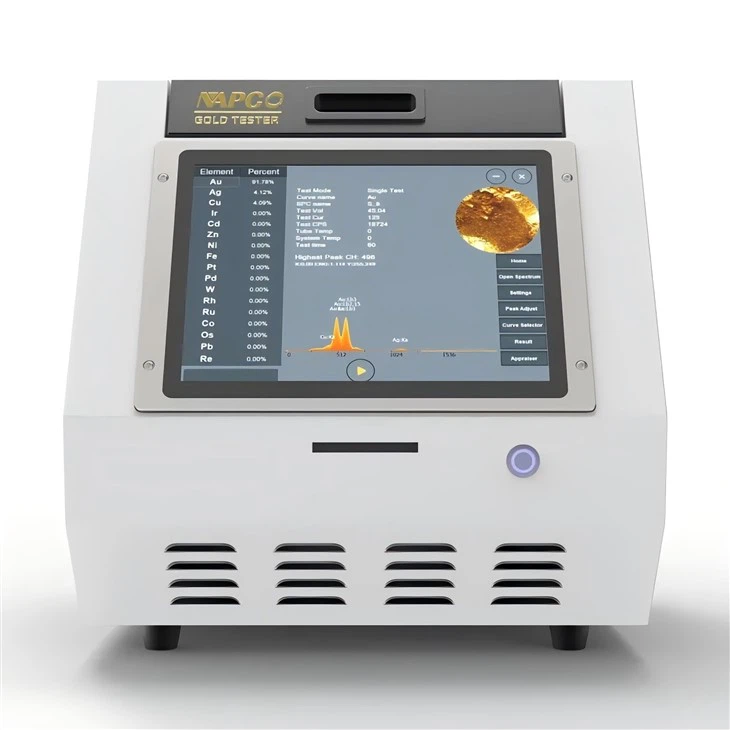
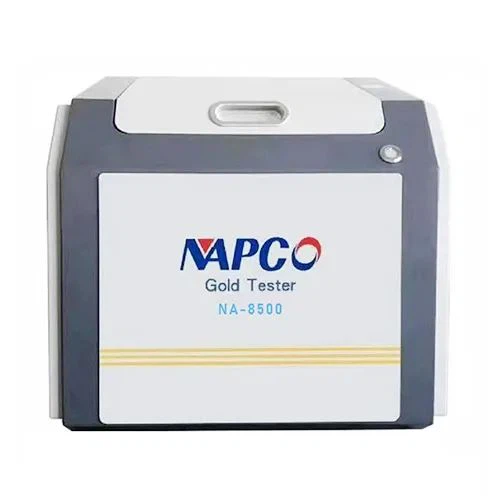
Our benchtop gold testers, such as the NAP 8200E XRF Gold Tester, NA 8500 XRF Gold Tester, and N1 XRF Gold Tester, utilize X-ray fluorescence (XRF) technology to analyze the composition of gold samples. XRF is a non-destructive analytical technique that measures the elemental composition of a material by irradiating it with X-rays and detecting the characteristic fluorescence emitted by the elements in the sample.
When an X-ray beam hits a gold sample, it causes the electrons in the atoms of the sample to become excited and emit X-rays of their own. These emitted X-rays have energies that are characteristic of the elements present in the sample. By analyzing the energies and intensities of these emitted X-rays, our benchtop gold testers can determine the elemental composition of the sample and calculate its gold purity.
Testing All Karats of Gold
One of the key advantages of our benchtop gold testers is their ability to accurately test all karats of gold, from 10K to 24K. This is because XRF technology can detect the presence of gold and other alloying elements in a sample, regardless of the karat value.
Our testers are calibrated to provide accurate results for a wide range of gold compositions. They can distinguish between different karats of gold by measuring the relative amounts of gold and other elements in the sample. For example, if a sample contains 75% gold and 25% other metals, the tester will indicate that it is 18K gold.
In addition to testing the karat value of gold, our benchtop gold testers can also identify the presence of other elements in the sample, such as silver, copper, zinc, and nickel. This information can be useful for determining the quality and authenticity of the gold, as well as for identifying any potential impurities or contaminants.
Factors Affecting Test Accuracy
While our benchtop gold testers are highly accurate, there are several factors that can affect the accuracy of the test results. These factors include:
- Sample Size and Shape: The size and shape of the gold sample can affect the accuracy of the test results. Ideally, the sample should be flat and have a smooth surface to ensure that the X-ray beam can penetrate the sample evenly.
- Surface Contamination: The presence of dirt, oil, or other contaminants on the surface of the gold sample can interfere with the XRF analysis and affect the accuracy of the test results. It is important to clean the sample thoroughly before testing to remove any surface contaminants.
- Alloy Composition: The composition of the alloy used in the gold sample can also affect the accuracy of the test results. Some alloys may contain elements that are difficult to detect or that interfere with the XRF analysis. In these cases, our testers may require additional calibration or testing to ensure accurate results.
- Testing Environment: The testing environment can also affect the accuracy of the test results. Factors such as temperature, humidity, and electromagnetic interference can all have an impact on the performance of the XRF analyzer. It is important to operate the tester in a stable environment to ensure accurate results.
Benefits of Using Our Benchtop Gold Testers
There are several benefits to using our benchtop gold testers for testing all karats of gold:
- Accuracy: Our testers are highly accurate and can provide reliable results for all karats of gold. They are calibrated to provide accurate results for a wide range of gold compositions, ensuring that you can trust the test results.
- Non-Destructive Testing: XRF technology is a non-destructive analytical technique, which means that it does not damage the gold sample during the testing process. This is particularly important for valuable or antique gold items, as it allows you to test the purity of the gold without causing any damage to the item.
- Fast and Easy to Use: Our benchtop gold testers are designed to be fast and easy to use. They can provide results in a matter of seconds, allowing you to quickly and efficiently test multiple gold samples.
- Versatility: Our testers can be used to test a wide range of gold products, including jewelry, coins, bars, and bullion. They can also be used to test other precious metals, such as silver, platinum, and palladium.
Conclusion
In conclusion, our benchtop gold testers are capable of accurately testing all karats of gold, from 10K to 24K. They utilize XRF technology to analyze the composition of gold samples and provide reliable results in a matter of seconds. Whether you are a jeweler, pawnbroker, or gold enthusiast, our benchtop gold testers can help you determine the purity and authenticity of your gold products.
If you are interested in purchasing a benchtop gold tester or have any questions about our products, please contact us to discuss your needs. Our team of experts will be happy to provide you with more information and help you choose the right tester for your application.
References
- "X-ray Fluorescence (XRF) Analysis." Wikipedia. Wikimedia Foundation, n.d. Web.
- "Gold Karat Guide." Gem Society. Gem Society, n.d. Web.