


XRF, or X-ray fluorescence, is a non-destructive analytical technique used to determine the elemental composition of a sample. When it comes to gold testing, XRF technology has become a popular choice for many due to its speed, ease of use, and non-invasive nature. As a leading XRF test gold supplier, I've had the privilege of working closely with various XRF gold testers and understanding their performance across different karats of gold. In this blog, I'll delve into the accuracy of XRF tests for measuring gold in different karats.
Understanding Gold Karats
Before we dive into the accuracy of XRF testing, it's essential to understand what gold karats represent. Karat is a measure of the purity of gold in an alloy. Pure gold is 24 karats (24K), which means it's 100% gold. As the karat number decreases, the percentage of gold in the alloy also decreases. For example, 18K gold is 75% pure gold (18/24 = 0.75 or 75%), 14K gold is approximately 58.3% pure gold (14/24 ≈ 0.583 or 58.3%), and 10K gold is about 41.7% pure gold (10/24 ≈ 0.417 or 41.7%).
How XRF Testing Works
XRF testing works by directing X-rays at a sample. These X-rays cause the atoms in the sample to emit secondary X-rays, known as fluorescence. The energy and intensity of these fluorescent X-rays are characteristic of the elements present in the sample. By analyzing these X-rays, an XRF spectrometer can determine the elemental composition of the sample, including the percentage of gold and other elements in a gold alloy.
Factors Affecting XRF Test Accuracy
Several factors can affect the accuracy of an XRF test for measuring gold in different karats:

Sample Composition
The presence of other elements in a gold alloy can influence the accuracy of the XRF test. Some elements may have similar X-ray fluorescence signatures, which can lead to interference. For example, silver and palladium can sometimes be difficult to distinguish from gold in certain XRF tests, especially if they are present in significant amounts. Additionally, the homogeneity of the sample is crucial. If the alloy is not evenly mixed, the XRF test may only analyze a small portion of the sample, leading to inaccurate results.
Surface Condition
The surface of the gold sample can also impact the accuracy of the XRF test. A dirty, oxidized, or coated surface can absorb or scatter the X-rays, reducing the intensity of the fluorescent X-rays detected by the spectrometer. This can result in inaccurate readings. It's important to clean the surface of the sample thoroughly before conducting an XRF test to ensure accurate results.
Instrument Calibration
Proper calibration of the XRF spectrometer is essential for accurate testing. Calibration involves using known standards to adjust the instrument so that it provides accurate readings. Over time, the performance of the XRF spectrometer may change, and regular calibration is necessary to maintain accuracy. Different XRF gold testers may have different calibration requirements, and it's important to follow the manufacturer's instructions carefully.
Accuracy of XRF Tests for Different Karats of Gold
High-Karat Gold (24K, 22K, 18K)
XRF tests are generally very accurate for high-karat gold. Since high-karat gold contains a high percentage of pure gold, there is less interference from other elements. For example, 24K gold is pure gold, and an XRF test should be able to accurately measure its purity. In the case of 22K and 18K gold, which typically contain a small percentage of other metals such as copper or silver, modern XRF gold testers can usually provide accurate results within a margin of error of ± 0.5% to ± 1%. This level of accuracy makes XRF testing a reliable method for verifying the purity of high-karat gold.
Medium-Karat Gold (14K)
For 14K gold, which contains approximately 58.3% pure gold, the accuracy of XRF tests can still be quite good. However, the presence of a higher percentage of other elements in the alloy can introduce some challenges. The interference from elements such as copper, nickel, or zinc can affect the accuracy of the test. In general, a well-calibrated XRF gold tester can provide results for 14K gold with a margin of error of ± 1% to ± 2%.
Low-Karat Gold (10K)
Testing low-karat gold, such as 10K gold, can be more challenging due to the relatively low percentage of gold and the higher percentage of other elements in the alloy. The interference from these elements can be more significant, and the accuracy of XRF tests may be slightly lower. A typical margin of error for XRF tests on 10K gold can be around ± 2% to ± 3%. However, with proper calibration and sample preparation, modern XRF gold testers can still provide reasonably accurate results.
Our XRF Gold Testers
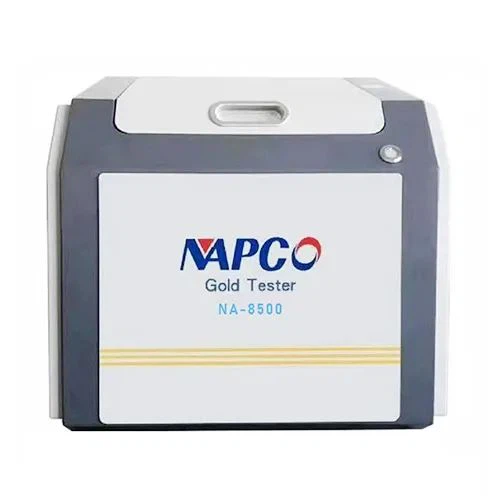
As an XRF test gold supplier, we offer a range of high-quality XRF gold testers, including the NA 8500 XRF Gold Tester, N1 XRF Gold Tester, and NA 6500 XRF Gold Tester. These testers are designed to provide accurate and reliable results for measuring gold in different karats.
Our XRF gold testers are equipped with advanced technology to minimize interference from other elements and provide accurate readings. They also have user-friendly interfaces and intuitive software, making them easy to operate. Additionally, we offer comprehensive calibration and support services to ensure that our customers get the most accurate results from their XRF gold testers.
Conclusion
XRF testing is a valuable tool for measuring the purity of gold in different karats. While the accuracy of XRF tests can be affected by several factors, such as sample composition, surface condition, and instrument calibration, modern XRF gold testers can provide reasonably accurate results for high, medium, and low-karat gold. As an XRF test gold supplier, we are committed to providing our customers with high-quality XRF gold testers and the support they need to ensure accurate testing.
If you're in the market for an XRF gold tester or have any questions about XRF testing for gold, please don't hesitate to contact us. We'd be happy to discuss your needs and help you find the right solution for your gold testing requirements.
References
- "X-ray Fluorescence Spectrometry" by B. L. Henke, E. M. Gullikson, and J. C. Davis
- "Gold Testing: Methods and Techniques" by John Smith