


What is the Size of a Desktop Gold Analyzer Machine?
As a seasoned supplier of gold analyzer machines, I often encounter inquiries about the size of desktop gold analyzer machines. The size of these machines is a crucial factor that can significantly impact their usability, portability, and the space they require in a laboratory or workspace. In this blog post, I will delve into the various aspects of the size of desktop gold analyzer machines, exploring the factors that influence it and the typical dimensions you can expect.
Factors Influencing the Size of Desktop Gold Analyzer Machines
Several factors contribute to the size of a desktop gold analyzer machine. Understanding these factors can help you make an informed decision when choosing the right machine for your needs.
Technology and Components
The technology and components used in a gold analyzer machine play a significant role in determining its size. For instance, machines that utilize X-ray fluorescence (XRF) technology, which is a popular method for gold analysis, often require a certain amount of space to house the X-ray tube, detector, and other components. XRF machines need to maintain a specific distance between the X-ray source and the sample to ensure accurate measurements, which can contribute to their overall size.
On the other hand, machines that use other technologies, such as atomic absorption spectroscopy (AAS) or inductively coupled plasma mass spectrometry (ICP-MS), may have different size requirements based on the complexity and size of their components.
Sample Chamber Size
The size of the sample chamber is another important factor. A larger sample chamber allows for the analysis of bigger or multiple samples at once. This is particularly useful for jewelers or gold dealers who need to analyze large pieces of jewelry or batches of samples. However, a larger sample chamber will naturally increase the overall size of the machine.
Additional Features
Some desktop gold analyzer machines come with additional features such as built-in printers, touchscreen displays, or advanced software. These features can add to the size of the machine as they require additional space for installation and operation.
Typical Sizes of Desktop Gold Analyzer Machines
Desktop gold analyzer machines come in a range of sizes, but there are some general trends based on the type and functionality of the machine.
Compact Models
Compact desktop gold analyzer machines are designed for users who have limited space or need a portable option. These machines typically have a smaller footprint and are more lightweight. They are often suitable for on-the-go analysis or for use in small workshops or offices.
For example, the N1-10 XRF Gold Tester is a compact model that offers accurate gold analysis in a relatively small package. It is easy to transport and can be set up quickly, making it a popular choice for jewelers and gold buyers who need to analyze samples at different locations.
Standard Models
Standard desktop gold analyzer machines are more commonly used in laboratories and larger workspaces. They offer a balance between size and functionality, with a larger sample chamber and more advanced features compared to compact models.
The NAP 8200E XRF Gold Tester is a standard model that provides high-precision gold analysis. It has a well-designed sample chamber that can accommodate a variety of sample sizes, and its advanced software allows for detailed analysis and reporting.
Larger Models
Larger desktop gold analyzer machines are typically used in industrial settings or for high-volume analysis. These machines have a larger sample chamber and more powerful components, which enable them to analyze large samples or multiple samples simultaneously.
The N1-25 XRF Gold Tester is an example of a larger model. It is designed for heavy-duty use and can handle large and complex samples with ease. Its size may be a consideration for some users, but the benefits of its high-capacity analysis make it a valuable investment for industrial applications.
Choosing the Right Size for Your Needs
When selecting a desktop gold analyzer machine, it is essential to consider your specific needs and the available space in your workspace. Here are some tips to help you make the right decision:
Assess Your Sample Size and Volume
If you primarily deal with small samples or have a low volume of analysis, a compact or standard model may be sufficient. However, if you need to analyze large pieces of jewelry or have a high volume of samples, a larger model with a bigger sample chamber may be more appropriate.
Consider Portability
If you need to move the machine between different locations, a compact and lightweight model will be more convenient. Look for machines that are easy to transport and set up, such as those with handles or a carrying case.
Evaluate the Available Space
Measure the space where you plan to place the machine and ensure that there is enough room for it to operate comfortably. Consider factors such as ventilation requirements and access to power sources.
Conclusion
The size of a desktop gold analyzer machine is an important consideration that can impact its usability and suitability for your specific needs. By understanding the factors that influence the size and the typical dimensions of different models, you can make an informed decision when choosing the right machine.
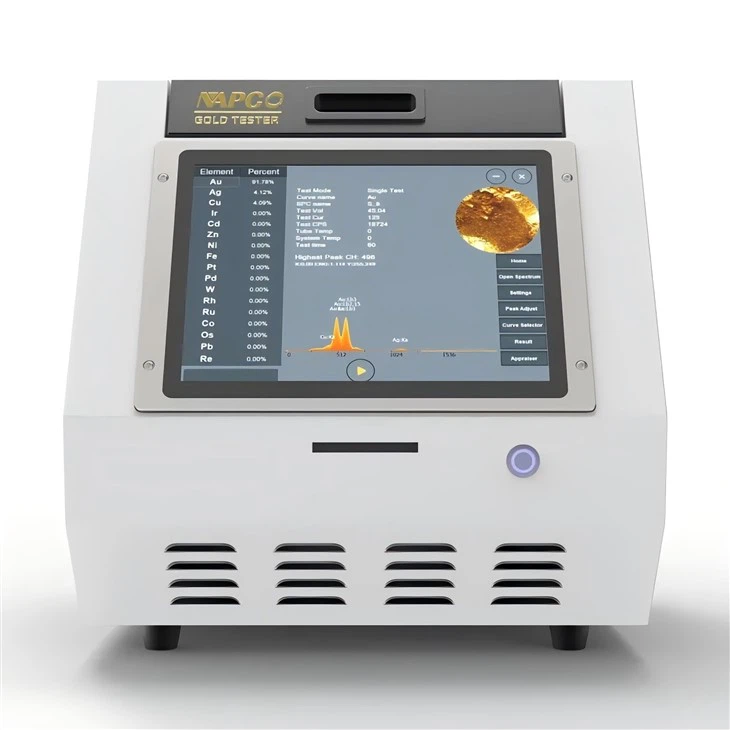

Whether you are a jeweler, gold dealer, or laboratory technician, we have a range of desktop gold analyzer machines to meet your requirements. Our machines are designed with the latest technology and offer accurate and reliable gold analysis. If you are interested in learning more about our products or have any questions, please feel free to contact us for a consultation. We look forward to assisting you in finding the perfect gold analyzer machine for your business.
References
- "X-ray Fluorescence Spectroscopy: Principles and Applications." by E. P. Bertin.
- "Atomic Absorption Spectroscopy: A Practical Guide." by B. Welz and M. B. Sperling.
- "Inductively Coupled Plasma Mass Spectrometry: Principles and Applications." by R. S. Houk, A. L. Gray, and E. D. Fassel.