


As a trusted supplier of gold XRF machines, I often encounter inquiries about the power sources that drive these sophisticated devices. Gold XRF (X-ray Fluorescence) machines are indispensable tools in the precious metals industry, offering non-destructive and accurate analysis of gold and other metals. Understanding the power sources behind these machines is crucial for users to ensure their proper operation and longevity.
Types of Power Sources
1. Mains Electricity
The most common power source for gold XRF machines is mains electricity. This is the standard electrical supply that comes from the power grid in most buildings. Mains-powered XRF machines are typically used in fixed laboratory or workshop settings where a stable and continuous power supply is available.
One of the key advantages of using mains electricity is its reliability. As long as there is a connection to the power grid, the machine can operate without interruption. This is particularly important for high - volume testing environments where continuous operation is required. For example, in a large gold refinery, where hundreds of samples need to be tested daily, a mains - powered XRF machine can provide consistent and reliable performance.
Another benefit is the power capacity. Mains electricity can supply a relatively high amount of power, which is necessary for the X - ray tube and other components of the XRF machine to function properly. The X - ray tube, in particular, requires a significant amount of power to generate the X - rays needed for the analysis.
However, there are also some limitations to using mains electricity. One of the main drawbacks is the lack of portability. Since the machine needs to be connected to a power outlet, it cannot be easily moved to different locations. This can be a problem for on - site testing, such as at gold mines or jewelry shows, where the ability to move the machine around is essential.
2. Battery Power
Battery - powered gold XRF machines offer a high degree of portability. These machines are designed to be used in remote locations where mains electricity is not available. They are commonly used by prospectors, jewelers who need to conduct on - site appraisals, and field researchers.

The main advantage of battery - powered XRF machines is their mobility. They can be easily carried from one place to another, allowing users to perform tests wherever they are. For instance, a geologist exploring a remote gold deposit can use a battery - powered XRF machine to quickly analyze the gold content of rock samples on the spot.
Battery technology has advanced significantly in recent years, and modern XRF machine batteries can provide a relatively long operating time. Some high - end models can operate for several hours on a single charge, which is sufficient for most on - site testing needs.
However, battery - powered XRF machines also have some limitations. The power output of batteries is generally lower than that of mains electricity. This can affect the performance of the XRF machine, especially when it comes to the intensity of the X - rays generated. In some cases, the analysis may take longer or be less accurate compared to a mains - powered machine. Additionally, batteries need to be recharged regularly, which can be a hassle, especially in remote areas where charging facilities are limited.
Power Requirements for Different Models
At our company, we offer a range of gold XRF machines, each with its own power requirements. Let's take a look at some of our popular models:
N1 XRF Gold Tester
The N1 XRF Gold Tester is a high - performance benchtop XRF machine. It is designed for laboratory use and is powered by mains electricity. This machine requires a stable power supply of 110 - 240V AC, which is standard in most laboratory environments. The power consumption of the N1 XRF Gold Tester is relatively low compared to some other models, making it energy - efficient. This is important not only for reducing operating costs but also for environmental reasons.
NAP 8200E XRF Gold Tester
The NAP 8200E XRF Gold Tester is another benchtop model that offers advanced features for accurate gold analysis. Similar to the N1, it is powered by mains electricity. It has a slightly higher power requirement due to its more powerful X - ray tube and additional features. The NAP 8200E requires a power supply of 220V AC, which is common in industrial and laboratory settings.
NA 8500 XRF Gold Tester
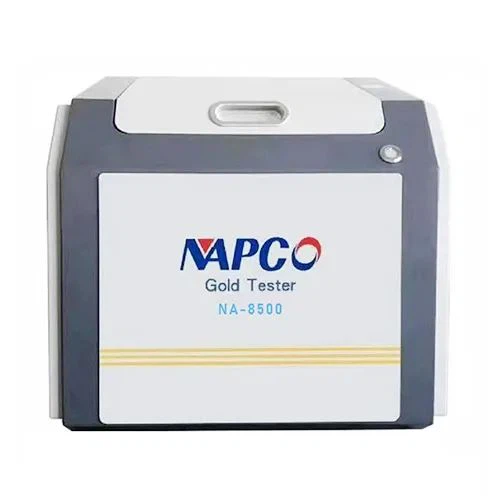
The NA 8500 XRF Gold Tester is a versatile machine that can be used both in the laboratory and in the field. It is available in both mains - powered and battery - powered versions. The mains - powered version requires a standard 110 - 240V AC power supply, while the battery - powered version uses a rechargeable lithium - ion battery. The lithium - ion battery provides a long operating time and can be recharged using a standard power adapter.
Considerations When Choosing a Power Source
When choosing a power source for a gold XRF machine, there are several factors that users need to consider.
1. Usage Location
The location where the XRF machine will be used is one of the most important factors. If the machine will be used primarily in a laboratory or workshop setting, a mains - powered machine is usually the best choice. The stability and high power capacity of mains electricity can ensure optimal performance. On the other hand, if the machine needs to be used in remote locations or for on - site testing, a battery - powered machine is more suitable.
2. Testing Frequency
The frequency of testing also plays a role in the choice of power source. If the machine will be used frequently, such as in a high - volume testing facility, a mains - powered machine can provide more consistent performance. The continuous power supply can prevent any interruptions or fluctuations that could affect the accuracy of the analysis. For occasional or on - site testing, a battery - powered machine may be sufficient.
3. Cost
Cost is another important consideration. Mains - powered XRF machines are generally more cost - effective in the long run, as there is no need to replace or recharge batteries. However, the initial purchase price of a battery - powered machine may be lower, especially for smaller, more portable models. Additionally, the cost of batteries and chargers should also be taken into account when considering a battery - powered machine.
Conclusion
In conclusion, the power source for a gold XRF machine is an important factor that can significantly affect its performance and usability. Mains electricity offers reliability and high power capacity, making it suitable for fixed laboratory and workshop settings. Battery power, on the other hand, provides portability, which is essential for on - site testing in remote locations.
As a leading supplier of gold XRF machines, we understand the diverse needs of our customers. We offer a wide range of models with different power options to meet the specific requirements of various applications. Whether you need a high - performance benchtop machine for a large - scale testing facility or a portable battery - powered machine for on - site appraisals, we have the right solution for you.
If you are interested in purchasing a gold XRF machine or have any questions about our products, please feel free to contact us. Our team of experts will be happy to assist you in choosing the most suitable machine and power source for your needs.
References
- "X - ray Fluorescence Spectrometry: Principles and Applications" by E. P. Bertin.
- "Handbook of X - ray Spectrometry" by H. W. Bertin.
- Manufacturer's specifications for N1 XRF Gold Tester, NAP 8200E XRF Gold Tester, and NA 8500 XRF Gold Tester.