


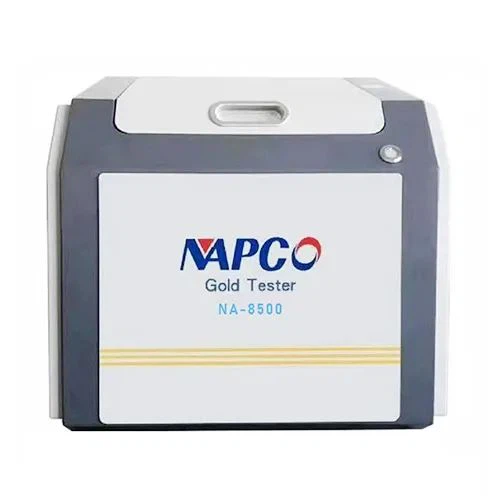
In the realm of precious metals testing, X-ray fluorescence (XRF) technology has emerged as a cornerstone for quickly and non-destructively assessing the composition of gold samples. As a supplier of XRF gold testing equipment, I often encounter inquiries regarding the accuracy of XRF testing, especially when dealing with small samples. This blog post aims to delve into the intricacies of XRF accuracy for small gold samples, exploring the factors that influence it and how our range of XRF gold testers, such as the N1 XRF Gold Tester, NA 6500 XRF Gold Tester, and NA 8500 XRF Gold Tester, can provide reliable results.
Understanding XRF Technology
XRF is a non-destructive analytical technique that measures the elemental composition of a sample by irradiating it with X-rays. When the X-rays interact with the atoms in the sample, they cause the emission of secondary X-rays, known as fluorescent X-rays. The energy and intensity of these fluorescent X-rays are characteristic of the elements present in the sample, allowing for the identification and quantification of the elements.
In the context of gold testing, XRF can determine the purity of gold by measuring the concentration of gold and other alloying elements, such as silver, copper, and palladium. This information is crucial for assessing the value of gold jewelry, coins, and other precious metal items.
Factors Affecting XRF Accuracy for Small Samples
While XRF is a powerful tool for gold testing, its accuracy can be influenced by several factors, especially when dealing with small samples. Here are some of the key factors to consider:

Sample Size and Geometry
The size and geometry of the sample can have a significant impact on the accuracy of XRF testing. Small samples may not provide enough material for the X-rays to interact with, resulting in lower signal intensities and reduced accuracy. Additionally, irregularly shaped samples can cause variations in the X-ray path length and scattering, leading to inconsistent results.
To mitigate these issues, it is important to ensure that the sample is large enough to cover the X-ray beam and that it is placed in a consistent position within the testing chamber. Our XRF gold testers are designed with optimized sample chambers and positioning systems to minimize the effects of sample size and geometry on accuracy.
Surface Condition
The surface condition of the sample can also affect the accuracy of XRF testing. Contaminants, oxides, or coatings on the sample surface can absorb or scatter the X-rays, altering the fluorescent X-ray signal and leading to inaccurate results. Therefore, it is essential to clean the sample surface thoroughly before testing to remove any impurities.
Our XRF gold testers are equipped with advanced algorithms and calibration techniques to compensate for surface effects and provide accurate results even for samples with imperfect surfaces. However, it is still recommended to prepare the sample properly to ensure the best possible accuracy.
Matrix Effects
Matrix effects refer to the influence of the sample matrix (i.e., the other elements present in the sample) on the XRF analysis. Different elements can have different absorption and scattering properties, which can affect the fluorescent X-ray signal and lead to errors in the quantification of the target element.
To account for matrix effects, our XRF gold testers use sophisticated calibration models that are based on a large database of reference samples. These models take into account the composition of the sample matrix and adjust the analysis results accordingly to provide accurate and reliable measurements.
Instrument Calibration
Proper instrument calibration is essential for ensuring the accuracy of XRF testing. Calibration involves comparing the instrument's response to a set of known reference samples to establish a relationship between the fluorescent X-ray signal and the elemental concentration.
Our XRF gold testers are factory calibrated using high-quality reference standards to ensure accurate and consistent results. Additionally, we provide regular calibration services and support to help our customers maintain the performance of their instruments over time.
Achieving High Accuracy with Our XRF Gold Testers
At our company, we are committed to providing high-quality XRF gold testing equipment that delivers accurate and reliable results, even for small samples. Our N1 XRF Gold Tester, NA 6500 XRF Gold Tester, and NA 8500 XRF Gold Tester are designed with advanced features and technologies to overcome the challenges associated with small sample testing and ensure the highest level of accuracy.
Advanced Detector Technology
Our XRF gold testers are equipped with high-resolution detectors that can detect even trace amounts of elements in the sample. The detectors are designed to provide high sensitivity and low noise, allowing for accurate and precise measurements of the fluorescent X-ray signal.
Optimized X-ray Source
The X-ray source is a critical component of the XRF testing system, as it determines the intensity and energy of the X-rays used for analysis. Our XRF gold testers are equipped with optimized X-ray sources that provide a stable and uniform X-ray beam, ensuring consistent and accurate results across different samples.
Intelligent Software
Our XRF gold testers are powered by intelligent software that incorporates advanced algorithms and calibration models to compensate for the factors that can affect accuracy, such as sample size, surface condition, matrix effects, and instrument drift. The software also provides real-time feedback and analysis results, allowing users to quickly and easily interpret the data.
Real-World Applications and Case Studies
To illustrate the accuracy and reliability of our XRF gold testers for small samples, let's take a look at some real-world applications and case studies.
Jewelry Testing
In the jewelry industry, accurate gold testing is essential for determining the value and authenticity of jewelry pieces. Our XRF gold testers have been widely used by jewelry manufacturers, retailers, and appraisers to test small gold samples, such as gemstone settings, clasps, and chains.
For example, a jewelry manufacturer was using traditional acid testing methods to determine the purity of their gold jewelry, but they were experiencing inconsistent results and long testing times. After switching to our NA 6500 XRF Gold Tester, they were able to obtain accurate and reliable results within minutes, improving their production efficiency and quality control.
Coin Authentication
Coin collectors and dealers often need to verify the authenticity and purity of rare coins. Our XRF gold testers are ideal for this application, as they can provide non-destructive and accurate analysis of small coin samples.
A coin dealer was suspicious of the authenticity of a rare gold coin, but he did not want to damage the coin by using traditional testing methods. He used our N1 XRF Gold Tester to analyze the coin's composition and was able to confirm its authenticity and purity without causing any damage to the coin.
Conclusion
In conclusion, XRF testing is a reliable and accurate method for determining the purity of gold in small samples, provided that the appropriate factors are taken into account. Our XRF gold testers, including the N1 XRF Gold Tester, NA 6500 XRF Gold Tester, and NA 8500 XRF Gold Tester, are designed with advanced features and technologies to overcome the challenges associated with small sample testing and provide accurate and reliable results.
If you are in the market for a high-quality XRF gold testing solution, we invite you to contact us to learn more about our products and services. Our team of experts is available to answer your questions and help you choose the right XRF gold tester for your needs. Let us help you achieve accurate and reliable gold testing results with our state-of-the-art XRF technology.
References
- Jenkins, R., Gould, R. W., & Gedcke, D. (1995). Quantitative X-ray fluorescence analysis. Marcel Dekker.
- Langford, J. I., & Buxton, B. F. (1988). X-ray fluorescence spectrometry. Oxford University Press.
- Potts, P. J., & Webb, P. C. (2014). X-ray fluorescence spectrometry. In Encyclopedia of analytical chemistry (pp. 1-24). John Wiley & Sons, Ltd.