


In the world of precious metals, accurately determining the purity of gold is of utmost importance. Whether you're a jeweler, a pawnbroker, or an investor, having a reliable gold purity tester is essential. As a leading gold purity tester supplier, we understand the significance of providing high - quality testing equipment that offers accurate results. One of the key aspects of these testers is the chemicals involved in the testing process, which we'll explore in detail in this blog.
Understanding the Basics of Gold Purity Testing
Before delving into the chemicals used, it's crucial to understand the different methods of gold purity testing. There are several techniques available, including acid testing, X - ray fluorescence (XRF) testing, and fire assay. Each method has its own advantages and limitations, but XRF testing has gained significant popularity in recent years due to its non - destructive nature and relatively quick results.
Chemicals in Acid Testing
Acid testing is one of the oldest and most traditional methods of gold purity testing. It involves applying a series of acids to the gold sample to observe the reaction. The main chemicals used in acid testing are nitric acid and hydrochloric acid.
Nitric Acid (HNO₃)
Nitric acid is a strong oxidizing agent. When pure gold (24 karat) comes into contact with nitric acid, there is no reaction. However, if the gold contains other metals such as copper, silver, or zinc, the nitric acid will react with these impurities. For example, copper reacts with nitric acid to form copper nitrate, nitrogen dioxide gas, and water. The reaction can be represented by the following chemical equation:
3Cu + 8HNO₃ → 3Cu(NO₃)₂+ 2NO + 4H₂O
The color of the solution after the reaction can give an indication of the purity of the gold. A greenish - blue solution may suggest a significant amount of copper in the sample.
Hydrochloric Acid (HCl)
Hydrochloric acid is often used in combination with nitric acid to form aqua regia. Aqua regia is a powerful acid mixture that can dissolve gold. It is made by mixing one part nitric acid with three parts hydrochloric acid. The chemical reaction between gold and aqua regia is complex, but the overall result is the dissolution of gold to form chloroauric acid (HAuCl₄).
Au + HNO₃+ 4HCl → HAuCl₄+ NO + 2H₂O
Acid testing is relatively inexpensive and easy to perform. However, it has some limitations. It is a destructive test, as it can damage the gold sample. Also, the results can be subjective, depending on the experience of the tester.
Chemicals in XRF Gold Testing
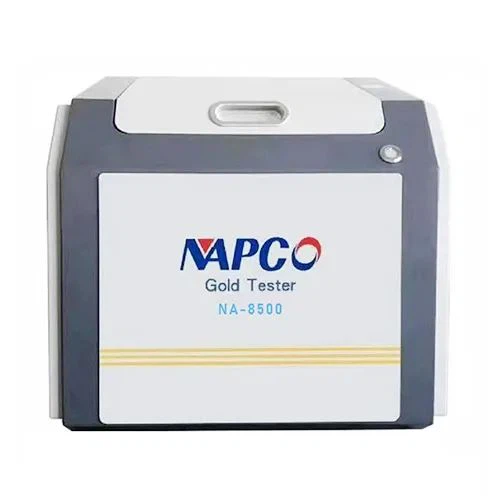
X - ray fluorescence (XRF) is a non - destructive method of gold purity testing that has become increasingly popular in recent years. Our NA 8500 XRF Gold Tester, NAP 8200E XRF Gold Tester, and N1 XRF Gold Tester are examples of high - quality XRF gold testers that provide accurate and reliable results.
XRF testing works by bombarding the gold sample with X - rays. When the X - rays interact with the atoms in the sample, they cause the electrons in the inner shells of the atoms to be ejected. As the electrons from the outer shells fill the vacancies in the inner shells, characteristic X - rays are emitted. These characteristic X - rays have specific energies that are unique to each element. By analyzing the energies and intensities of the emitted X - rays, the XRF tester can determine the elemental composition of the gold sample, including the purity of the gold.
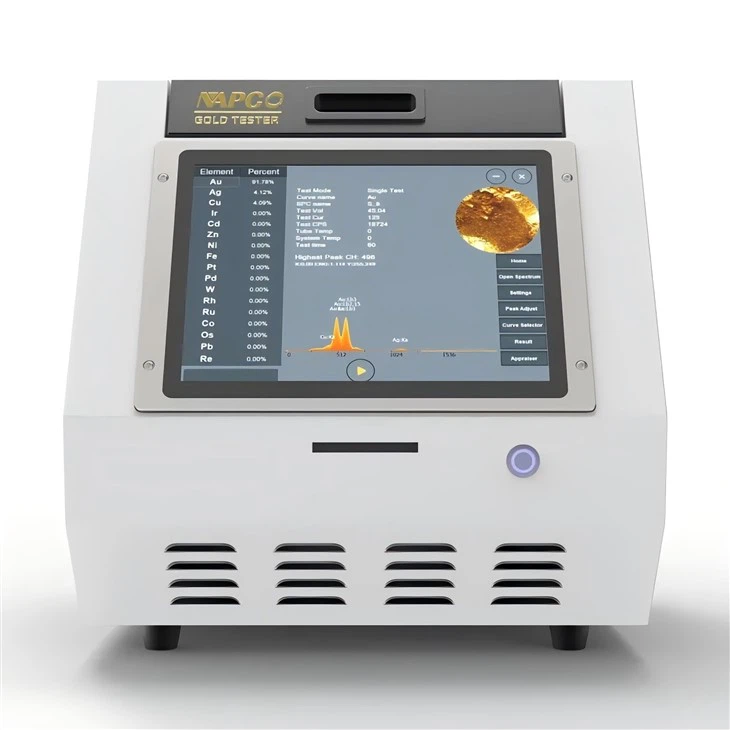
In XRF testing, there are no direct chemicals involved in the testing process. However, the detector in the XRF tester may use certain materials that are sensitive to X - rays. For example, some detectors use silicon - based materials, which can convert the X - rays into electrical signals that can be analyzed by the tester's software.
Advantages of XRF Gold Testing over Acid Testing
XRF gold testing offers several advantages over acid testing. Firstly, it is non - destructive, which means that the gold sample remains intact after testing. This is particularly important for valuable or antique gold items. Secondly, XRF testing is much faster than acid testing. It can provide results within a few seconds to a few minutes, depending on the complexity of the sample. Thirdly, XRF testing is more accurate and objective. It can detect even small amounts of impurities in the gold sample, providing a more precise measurement of the gold purity.
Other Considerations in Gold Purity Testing
When choosing a gold purity tester, it's important to consider not only the testing method and the chemicals involved but also other factors such as the accuracy of the tester, its ease of use, and its cost. Our XRF gold testers are designed to meet the highest standards of accuracy and reliability. They are also user - friendly, with intuitive interfaces that make them suitable for both professionals and beginners.
Conclusion
In conclusion, the chemicals used in gold purity testing vary depending on the testing method. Acid testing uses nitric acid and hydrochloric acid, which can react with impurities in the gold sample to provide an indication of its purity. On the other hand, XRF testing is a non - destructive method that does not involve direct chemical reactions in the traditional sense, but rather uses X - rays to analyze the elemental composition of the gold sample.
As a gold purity tester supplier, we are committed to providing our customers with the best testing equipment on the market. Our NA 8500 XRF Gold Tester, NAP 8200E XRF Gold Tester, and N1 XRF Gold Tester are all excellent choices for accurately determining the purity of gold. If you are interested in purchasing a gold purity tester or have any questions about our products, please don't hesitate to contact us for further discussion and procurement negotiation.
References
- "Introduction to Analytical Chemistry" by Douglas A. Skoog, Donald M. West, F. James Holler, and Stanley R. Crouch.
- "Precious Metals Testing: Methods and Applications" by various authors in the field of materials science and precious metals research.
- Manufacturer's documentation for our NA 8500 XRF Gold Tester, NAP 8200E XRF Gold Tester, and N1 XRF Gold Tester.