


Yo, folks! As a supplier of XRF gold testing equipment, I've seen firsthand how awesome this tech is for accurately analyzing gold's purity. But hey, safety should always be our top priority when using XRF (X-ray fluorescence) testing for gold. In this blog, I'm gonna share some key safety precautions you need to know to keep things safe and sound during the testing process.
Understanding XRF Gold Testing
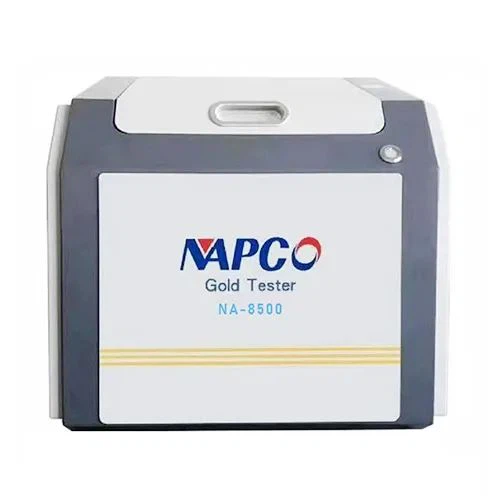
Before we jump into the safety stuff, let's quickly go over what XRF gold testing is all about. XRF technology uses X-rays to determine the elemental composition of a sample, including gold. It's a non-destructive method that can provide fast and accurate results, making it super popular in the gold industry. Whether you're a jeweler, a gold dealer, or just someone interested in testing gold at home, XRF testers like the NA 6500 XRF Gold Tester, NA 8500 XRF Gold Tester, and N1 XRF Gold Tester are great tools to have.
Safety Precautions for XRF Gold Testing
1. Operator Training
First things first, anyone operating an XRF gold tester should receive proper training. It's not just about knowing how to turn the machine on and off; you need to understand how it works, how to handle samples correctly, and most importantly, how to stay safe. Training programs usually cover topics like radiation safety, machine operation, and sample preparation. Make sure you or your team members go through a comprehensive training course before using the equipment.

2. Radiation Safety
XRF testers use X-rays, which are a form of ionizing radiation. While modern XRF machines are designed to minimize radiation exposure, it's still important to take precautions. Here are some tips:
- Use Shielding: Most XRF testers come with built-in shielding to protect the operator from radiation. Make sure the shielding is in good condition and properly installed. Don't try to bypass or remove the shielding for any reason.
- Keep a Safe Distance: When the XRF tester is in operation, stay at a safe distance from the machine. The manufacturer's guidelines will specify the recommended distance, so make sure you follow them.
- Limit Exposure Time: Try to limit the amount of time you're exposed to the XRF tester. Don't stand around the machine while it's running unless you really need to.
3. Sample Handling
Proper sample handling is crucial for both accurate testing and safety. Here's what you need to do:
- Wear Gloves: Always wear gloves when handling gold samples. This not only protects you from potential contaminants on the samples but also prevents your fingerprints from affecting the test results.
- Clean Samples: Before testing, make sure the gold samples are clean. Remove any dirt, oil, or other contaminants from the surface of the samples. This will ensure more accurate test results.
- Handle Samples Carefully: Gold samples can be valuable, so handle them with care. Avoid dropping or scratching the samples, as this can damage them and affect the test results.
4. Environmental Safety
The environment where you're using the XRF gold tester also plays a role in safety. Here are some environmental considerations:
- Ventilation: Make sure the testing area is well-ventilated. XRF testing can produce some fumes or dust, especially if you're testing samples that contain other elements. Good ventilation will help remove these contaminants from the air.
- Temperature and Humidity: XRF testers are sensitive to temperature and humidity. Make sure the testing area is kept at a stable temperature and humidity level. Extreme temperatures or high humidity can affect the performance of the machine and the accuracy of the test results.
- Keep the Area Clean: Keep the testing area clean and organized. Remove any clutter or debris from the area, and make sure the XRF tester is placed on a stable surface.
5. Maintenance and Calibration
Regular maintenance and calibration of the XRF gold tester are essential for both safety and accuracy. Here's what you need to do:
- Follow the Manufacturer's Guidelines: The manufacturer's guidelines will specify the recommended maintenance schedule and calibration procedures for the XRF tester. Make sure you follow these guidelines carefully.
- Inspect the Machine Regularly: Regularly inspect the XRF tester for any signs of damage or wear. Check the shielding, cables, and other components to make sure they're in good condition.
- Calibrate the Machine: Calibration is important to ensure the accuracy of the test results. Make sure you calibrate the XRF tester regularly using certified reference samples.
Emergency Preparedness
Even with all the safety precautions in place, accidents can still happen. That's why it's important to be prepared for emergencies. Here are some emergency preparedness tips:
- Have an Emergency Plan: Develop an emergency plan for your testing area. The plan should include procedures for dealing with radiation leaks, fires, and other emergencies.
- Know the Emergency Contacts: Make sure you know the emergency contacts for your area, including the local fire department, police department, and radiation safety office.
- Keep Emergency Supplies on Hand: Keep emergency supplies on hand, such as first aid kits, fire extinguishers, and radiation detection devices.
Conclusion
XRF gold testing is a great way to accurately analyze the purity of gold samples. But as with any technology that involves radiation, safety should always be our top priority. By following the safety precautions outlined in this blog, you can ensure that you and your team stay safe while using XRF gold testers.
If you're interested in purchasing an XRF gold tester or have any questions about XRF gold testing, feel free to reach out. We're here to help you make the right choice for your needs.
References
- Manufacturer's manuals for NA 6500 XRF Gold Tester, NA 8500 XRF Gold Tester, and N1 XRF Gold Tester.
- Radiation safety guidelines from relevant regulatory agencies.