


Yo, fellow gold enthusiasts! As a supplier of XRF gold analyzers, I've seen firsthand how these nifty gadgets have revolutionized the gold testing game. But like any piece of tech, they're not without their quirks. In this blog, I'm gonna dive into the compatibility issues you might run into when using XRF gold analyzers.
1. Sample Compatibility
One of the most common compatibility issues with XRF gold analyzers is related to the samples themselves. XRF analyzers work by emitting X - rays onto a sample and measuring the characteristic X - rays that are emitted back. However, not all samples are created equal.
-
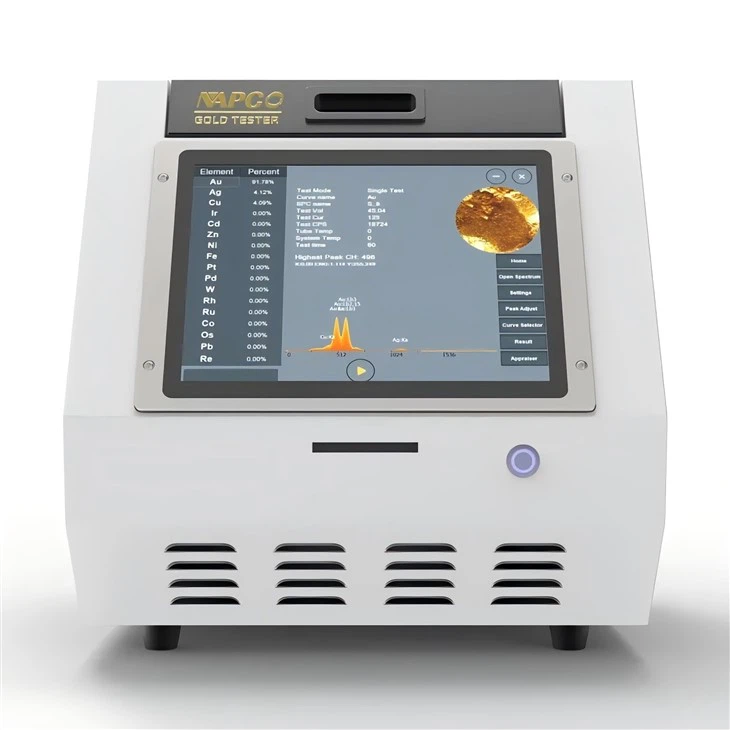
Size and Shape: Some XRF analyzers have specific requirements when it comes to the size and shape of the sample. For instance, if you're using a handheld XRF gold tester, it might have a limited sampling area. So, if your gold sample is too large or oddly shaped, it can be a challenge to get an accurate reading. On the other hand, benchtop models like the NAP 8200E XRF Gold Tester usually have a larger sample chamber, but there are still limits. Irregularly shaped samples might not fit properly, or they might not be positioned in a way that allows the X - rays to penetrate evenly.
-
Surface Condition: The surface of the gold sample also matters. A dirty or corroded surface can interfere with the X - ray analysis. The contaminants on the surface can absorb or scatter the X - rays, leading to inaccurate results. For example, if you're testing a gold coin that has a lot of dirt or oxidation on it, you might get a reading that shows a lower gold content than it actually has. To get around this, it's important to clean the sample properly before testing. But be careful not to damage the sample during the cleaning process.
-
Composition Complexity: Gold is often alloyed with other metals like silver, copper, zinc, etc. The more complex the alloy composition, the more difficult it can be for the XRF analyzer to accurately determine the gold content. Some XRF analyzers might have trouble distinguishing between different elements, especially if they have similar atomic numbers. For example, silver and gold have relatively close atomic numbers, and in some cases, the analyzer might misinterpret the signals and give an incorrect reading. Our N1 XRF Gold Tester is designed to handle a wide range of alloy compositions, but extremely complex alloys can still pose a challenge.

2. Software Compatibility
In today's digital age, software is an integral part of XRF gold analyzers. And just like any software, it can have compatibility issues.
- Operating System: XRF analyzers usually come with their own software for data analysis and instrument control. This software needs to be compatible with your operating system. If you're using an older operating system, like Windows XP, it might not support the latest version of the analyzer's software. On the other hand, if you're using a brand - new operating system that's just been released, the software might not be fully optimized for it yet. This can lead to issues like slow performance, crashes, or inaccurate data processing.
- Data Transfer and Integration: Many users want to transfer the data from the XRF analyzer to other software applications for further analysis or record - keeping. For example, you might want to import the gold test results into a spreadsheet program like Microsoft Excel. However, there can be compatibility issues when it comes to data transfer. The file formats used by the XRF analyzer's software might not be directly compatible with the target application. You might need to use conversion tools or workarounds to get the data transferred successfully.
3. Environmental Compatibility
The environment in which you use the XRF gold analyzer can also have an impact on its performance and compatibility.
- Temperature and Humidity: Extreme temperatures and high humidity can affect the performance of the XRF analyzer. High temperatures can cause the internal components of the analyzer to overheat, which can lead to inaccurate readings or even damage the instrument. On the other hand, low temperatures can make the components more brittle and increase the risk of mechanical failure. Humidity can also cause problems, especially if it leads to condensation inside the analyzer. This can damage the electronic components and affect the accuracy of the X - ray detection. Our NA 6500 XRF Gold Tester is designed to operate within a certain temperature and humidity range, and it's important to keep the testing environment within these limits.
- Electromagnetic Interference: XRF analyzers are sensitive to electromagnetic interference (EMI). If you're using the analyzer in an environment with a lot of electrical equipment, such as a factory floor or a laboratory with multiple power - hungry devices, the EMI can disrupt the X - ray detection process. This can result in noisy data and inaccurate readings. To minimize EMI, it's a good idea to use the analyzer in a dedicated testing area away from sources of interference. You can also use shielding materials to protect the analyzer from external electromagnetic fields.
4. Calibration and Standard Compatibility
Calibration is crucial for accurate XRF analysis. However, there can be compatibility issues when it comes to calibration standards.
- Standard Availability: Different XRF analyzers might require different types of calibration standards. If you can't find the right calibration standard for your analyzer, it can be difficult to calibrate it accurately. This can lead to inaccurate test results. Some standards are specific to certain alloy compositions or gold purity levels. For example, if you're testing high - purity gold, you need a calibration standard that closely matches the purity of your samples.
- Calibration Procedure Compatibility: Each XRF analyzer has its own calibration procedure. If you try to use a calibration procedure that's not designed for your specific analyzer, it can lead to incorrect calibration. This can cause the analyzer to give inaccurate readings even if the calibration standard is correct. It's important to follow the manufacturer's instructions carefully when calibrating the analyzer.
How to Deal with Compatibility Issues
Now that we've covered the common compatibility issues, let's talk about how to deal with them.
- Do Your Research: Before buying an XRF gold analyzer, make sure you understand your specific testing needs. Consider the types of samples you'll be testing, the software you'll be using, and the environment in which you'll operate the analyzer. This will help you choose an analyzer that's compatible with your requirements.
- Regular Maintenance: Keep your XRF analyzer well - maintained. Clean the sample chamber regularly, and make sure the internal components are in good condition. Follow the manufacturer's recommended maintenance schedule to prevent compatibility issues caused by wear and tear.
- Seek Technical Support: If you run into compatibility issues, don't hesitate to contact the manufacturer's technical support team. They have the expertise to help you troubleshoot the problem and find a solution.
If you're in the market for a high - quality XRF gold analyzer and want to learn more about how to avoid these compatibility issues, feel free to reach out. We're here to help you make the right choice for your gold testing needs. Whether you're a jeweler, a gold dealer, or a researcher, our range of XRF gold analyzers can meet your requirements. Let's start a conversation and see how we can work together to get accurate and reliable gold testing results.
References
- "Handbook of X - ray Fluorescence Spectrometry" by Ronald Jenkins
- "X - ray Fluorescence Analysis: Principles and Applications" by J. I. Goldstein et al.