


X-ray fluorescence (XRF) technology has emerged as a game-changer in various industries, including the realm of gold refining. As a trusted XRF gold tester supplier, I've witnessed firsthand the transformative impact of XRF on gold refining processes. In this blog, we'll explore the use of XRF in gold refining, its benefits, limitations, and how our cutting-edge XRF gold testers can revolutionize your gold refining operations.
Understanding XRF Technology
XRF is a non-destructive analytical technique that determines the elemental composition of a sample. When an X-ray beam is directed at a sample, the atoms in the sample absorb the X-rays and emit secondary X-rays, known as fluorescence. The energy and intensity of these fluorescent X-rays are characteristic of the elements present in the sample, allowing for accurate identification and quantification of the elemental composition.
The Role of XRF in Gold Refining
Gold refining is a complex process that involves separating gold from other metals and impurities to obtain pure gold. XRF technology plays a crucial role in several stages of the gold refining process:
Assaying
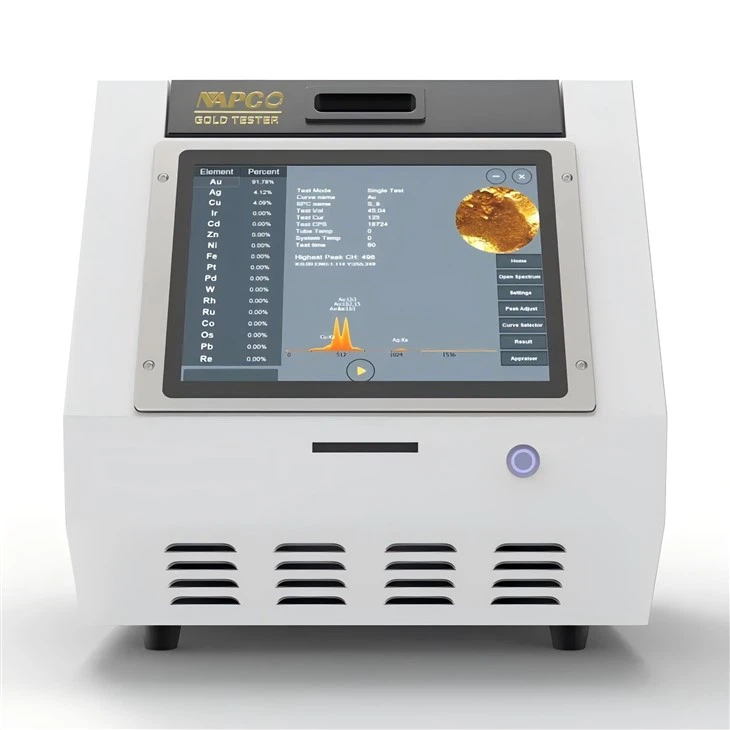
Assaying is the process of determining the purity and composition of a gold sample. Traditional assaying methods, such as fire assay, are time-consuming, destructive, and require skilled technicians. XRF assaying, on the other hand, is non-destructive, fast, and can provide accurate results in a matter of seconds. Our N1 XRF Gold Tester is a state-of-the-art benchtop instrument that offers high precision and accuracy for gold assaying. It can analyze a wide range of gold alloys and provide detailed information about the gold content, as well as the presence of other elements such as silver, copper, and platinum.
Quality Control
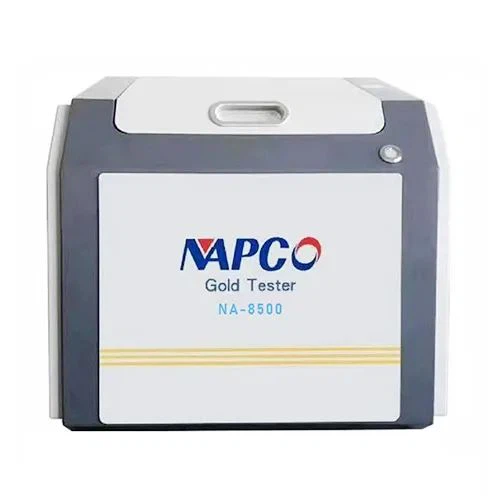
Quality control is essential in gold refining to ensure that the final product meets the required purity standards. XRF technology can be used to monitor the purity of gold at various stages of the refining process, from the initial sample to the final refined product. By regularly testing the gold samples, refineries can detect any impurities or deviations from the desired purity level and take corrective actions immediately. Our NA 8500 XRF Gold Tester is a powerful instrument that offers advanced features for quality control in gold refining. It can perform rapid and accurate analysis of gold samples, even in high-throughput environments, and provide real-time results to help refineries make informed decisions.
Process Optimization
XRF technology can also be used to optimize the gold refining process by providing valuable insights into the elemental composition of the feedstock and the refining products. By analyzing the composition of the gold ore or scrap, refineries can determine the most efficient refining methods and adjust the process parameters accordingly. For example, if the feedstock contains a high percentage of certain impurities, the refinery can modify the refining process to remove these impurities more effectively. Our NAP 8200E XRF Gold Tester is a versatile instrument that can be used for process optimization in gold refining. It offers a wide range of analysis modes and can be customized to meet the specific needs of different refineries.
Benefits of Using XRF in Gold Refining
The use of XRF technology in gold refining offers several benefits:
Non-Destructive Testing
One of the major advantages of XRF technology is that it is non-destructive, which means that the gold samples can be analyzed without being damaged. This is particularly important in the gold refining industry, where the samples are often valuable and need to be preserved for further processing. With XRF testing, refineries can obtain accurate information about the composition of the gold samples without sacrificing the samples themselves.
Fast and Accurate Results
XRF testing is fast and can provide accurate results in a matter of seconds. This allows refineries to make quick decisions and optimize the refining process in real-time. Compared to traditional assaying methods, which can take hours or even days to complete, XRF testing offers a significant time savings, which can improve the efficiency and productivity of the refinery.
Cost-Effective
XRF technology is a cost-effective solution for gold refining. It requires minimal sample preparation and can be operated by relatively unskilled personnel. Additionally, XRF instruments have a long lifespan and require minimal maintenance, which can reduce the overall cost of ownership. By using XRF technology, refineries can save on labor costs, reduce the amount of sample waste, and improve the quality of the final product, all of which can lead to significant cost savings in the long run.
Versatility
XRF technology can be used to analyze a wide range of gold samples, including gold ore, gold scrap, and gold alloys. It can also detect the presence of other elements and impurities, such as silver, copper, platinum, and palladium, which can be important in the gold refining process. The versatility of XRF technology makes it a valuable tool for refineries that deal with different types of gold samples and need to obtain accurate information about their composition.
Limitations of XRF in Gold Refining
While XRF technology offers many benefits in gold refining, it also has some limitations:
Surface Analysis
XRF technology is a surface analysis technique, which means that it can only analyze the composition of the surface layer of the sample. If the gold sample has a heterogeneous composition or if the impurities are present in the interior of the sample, XRF analysis may not provide accurate results. In such cases, additional testing methods, such as fire assay or acid digestion, may be required to obtain a more accurate analysis of the sample.
Limited Detection Range
XRF technology has a limited detection range for certain elements. For example, it may not be able to detect trace amounts of certain elements, such as mercury or arsenic, which can be present in some gold samples. In addition, XRF analysis may be affected by the matrix effect, which occurs when the presence of other elements in the sample interferes with the analysis of the target element. To overcome these limitations, refineries may need to use more advanced analytical techniques or perform additional sample preparation steps.
Calibration Requirements
XRF instruments need to be calibrated regularly to ensure accurate and reliable results. Calibration involves using standard samples with known composition to adjust the instrument's parameters. The calibration process can be time-consuming and requires the use of high-quality standard samples. If the calibration is not performed correctly, the results obtained from the XRF analysis may be inaccurate.
Conclusion
In conclusion, XRF technology has become an indispensable tool in the gold refining industry. It offers many benefits, including non-destructive testing, fast and accurate results, cost-effectiveness, and versatility. However, it also has some limitations, such as surface analysis, limited detection range, and calibration requirements. By understanding the capabilities and limitations of XRF technology, refineries can make informed decisions about whether to use XRF testing in their gold refining processes.
As a leading XRF gold tester supplier, we are committed to providing high-quality XRF instruments and excellent customer service to our clients in the gold refining industry. Our N1 XRF Gold Tester, NA 8500 XRF Gold Tester, and NAP 8200E XRF Gold Tester are designed to meet the specific needs of gold refineries and offer accurate, reliable, and cost-effective solutions for gold analysis.
If you are interested in learning more about our XRF gold testers or how XRF technology can benefit your gold refining operations, please contact us to schedule a consultation. Our team of experts will be happy to answer your questions and provide you with the information you need to make an informed decision.
References
- "X-ray Fluorescence Spectroscopy: Principles and Applications" by Ronald Jenkins
- "Gold Refining: Principles and Practice" by Paul A. Tasker
- "Non-Destructive Testing Techniques for Gold and Precious Metals" by John R. Goldsmith