


Is the best gold tester resistant to scratches?
Hey there, folks! I'm a supplier of the best gold testers out there, and today I wanna dive into a question that I get a lot: Is the best gold tester resistant to scratches? It's a valid concern, especially if you're planning to use your gold tester regularly or in a somewhat rough environment. So, let's break it down.
First off, what makes a gold tester the "best"? Well, for starters, it should give accurate results. Whether you're dealing with pure gold, gold alloys, or even fake gold, a top - notch gold tester needs to be able to tell you what you're looking at with precision. And in my experience, the NA 8500 XRF Gold Tester, NA 6500 XRF Gold Tester, and N1 XRF Gold Tester are some of the best in the market. These testers use XRF (X - Ray Fluorescence) technology, which is super accurate and non - destructive. That means you can test your gold without damaging it, which is a huge plus for jewelers, pawnbrokers, and gold enthusiasts.
Now, back to the scratch resistance. The durability of a gold tester, including its scratch resistance, depends on a few factors. The materials used in its construction play a big role. Most high - quality gold testers have a sturdy outer casing. For example, the testers I supply are built with a combination of tough plastics and metals. The plastics are usually engineered to be impact - and scratch - resistant. They go through a lot of testing during the manufacturing process to make sure they can withstand normal wear and tear.
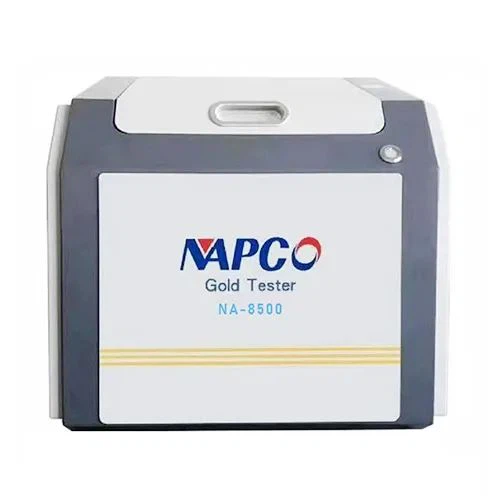

The metal parts, on the other hand, are often made of stainless steel or aluminum. Stainless steel is known for its corrosion resistance and strength, and it can also resist scratches to a certain extent. Aluminum is lightweight but still quite durable. The surfaces of these metals are treated to enhance their scratch - resistant properties. For instance, they might have a special coating that acts as a protective layer.
But it's not just about the materials. The design of the gold tester also matters. A well - designed tester will have smooth edges and surfaces that are less likely to catch on things and get scratched. The buttons and controls are usually recessed or made in a way that they're less exposed to potential scratching. And the display screen, which is one of the most vulnerable parts, is often made of tempered glass or a similar scratch - resistant material.
However, it's important to note that no gold tester is completely scratch - proof. Even the best ones can get scratched if they're subjected to extreme conditions. For example, if you accidentally drop your gold tester on a rough surface like concrete or if you use it in an environment where there's a lot of dust and debris, there's a chance it could get scratched. Also, using sharp objects near the tester, like a screwdriver or a key, can definitely cause scratches.
So, what can you do to keep your gold tester looking good and functioning properly? Well, first of all, handle it with care. Don't be rough with it or throw it around. When you're not using it, store it in a protective case. There are plenty of cases available in the market that are specifically designed for gold testers. These cases can protect the tester from scratches, bumps, and dust.
Cleaning your gold tester regularly is also important. Use a soft, dry cloth to wipe the surfaces. Avoid using abrasive cleaners or rough materials that could scratch the tester. If there are any stubborn stains or dirt, you can use a mild cleaning solution, but make sure to test it on a small, inconspicuous area first.
In terms of performance, scratches on the outer casing usually don't affect the functionality of the gold tester. As long as the internal components are not damaged, the tester should still give accurate results. But deep scratches on the display screen can be a problem. They can make it hard to read the results, and in some cases, they might even damage the screen and cause it to malfunction.
If you do end up with a scratched gold tester, don't panic. In many cases, minor scratches can be buffed out. There are special scratch - removal kits available that can help you get rid of small scratches on the plastic or metal surfaces. For more serious scratches, especially on the display screen, you might need to contact the manufacturer or a professional repair service.
Now, if you're in the market for a high - quality, scratch - resistant gold tester, I've got you covered. The NA 8500 XRF Gold Tester, NA 6500 XRF Gold Tester, and N1 XRF Gold Tester are all great options. They offer accurate results, are built to last, and come with a warranty. If you're interested in learning more about these testers or if you want to discuss your specific needs, feel free to reach out. I'm always happy to have a chat and help you find the best gold tester for you. Whether you're a small - scale jeweler or a large - scale gold dealer, having a reliable gold tester is essential for your business.
In conclusion, while the best gold testers are designed to be scratch - resistant, they're not invincible. With proper care and handling, you can keep your gold tester in great condition for a long time. And if you're looking to purchase one, make sure to choose a high - quality tester that meets your requirements. Don't hesitate to contact me if you have any questions or if you're ready to start the purchasing process. Let's work together to make your gold testing experience as smooth and accurate as possible.
References
- General knowledge about gold tester materials and construction
- Product specifications of NA 8500 XRF Gold Tester, NA 6500 XRF Gold Tester, and N1 XRF Gold Tester