


When it comes to the field of precious metal testing, XRF (X-ray Fluorescence) machines have emerged as a revolutionary tool, especially for gold testing. As a supplier of XRF machines for gold, I often receive inquiries about the legality of using these devices across different countries. This blog aims to delve into this crucial topic, providing a comprehensive overview of the legal aspects of using XRF machines for gold testing worldwide.
Understanding XRF Machines for Gold Testing
Before we explore the legalities, it's essential to understand what XRF machines are and how they work. XRF machines are non-destructive analytical instruments that use X-ray fluorescence to determine the elemental composition of a sample. In the context of gold testing, these machines can accurately identify the purity of gold and other precious metals in jewelry, bullion, and other gold-containing items.
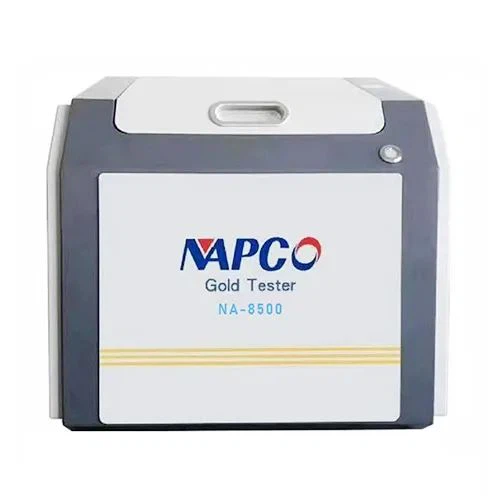
Our company offers a range of high-quality XRF machines for gold testing, including the NA 6500 XRF Gold Tester, NAP 8200E XRF Gold Tester, and NA 8500 XRF Gold Tester. These machines are equipped with advanced technology, providing fast and accurate results, making them ideal for jewelers, pawnbrokers, and precious metal dealers.
Legal Considerations in Different Regions
North America
In the United States, the use of XRF machines for gold testing is generally legal. However, there are certain regulations and standards that need to be followed. The Occupational Safety and Health Administration (OSHA) has set guidelines for the safe use of X-ray-emitting devices, including XRF machines. These guidelines ensure the safety of operators and the public by regulating factors such as radiation exposure limits and machine maintenance.
In Canada, similar regulations exist. The Canadian Nuclear Safety Commission (CNSC) regulates the use of X-ray equipment, including XRF machines. Operators are required to obtain appropriate licenses and follow strict safety protocols to ensure compliance with the law.
Europe
The European Union (EU) has a comprehensive regulatory framework for the use of X-ray equipment, including XRF machines. The EU's Basic Safety Standards Directive sets out the requirements for radiation protection, which apply to all member states. Member states are then responsible for implementing these standards at the national level.
In the United Kingdom, the Health and Safety Executive (HSE) regulates the use of X-ray equipment. Operators of XRF machines must comply with the Ionising Radiations Regulations, which include requirements for risk assessment, operator training, and equipment maintenance.
Asia
In Asia, the legal situation varies from country to country. In Japan, the use of XRF machines is regulated by the Ministry of Economy, Trade and Industry (METI). Operators are required to obtain a license and follow strict safety guidelines to ensure the proper use of these machines.
In China, the State Administration for Market Regulation (SAMR) and the National Health Commission (NHC) regulate the use of X-ray equipment. XRF machine manufacturers and operators must comply with national standards and regulations to ensure product quality and operator safety.

Australia and New Zealand
In Australia, the Australian Radiation Protection and Nuclear Safety Agency (ARPANSA) regulates the use of X-ray equipment, including XRF machines. Operators are required to obtain appropriate licenses and follow strict safety protocols to ensure compliance with the law.
In New Zealand, the Ministry of Health regulates the use of X-ray equipment. Similar to other countries, operators must comply with safety regulations and obtain the necessary approvals before using XRF machines.
Factors Affecting Legality
Several factors can affect the legality of using XRF machines for gold testing in different countries. These include:
Radiation Safety
One of the primary concerns when using XRF machines is radiation safety. XRF machines emit X-rays, which can be harmful if not properly managed. Therefore, countries have strict regulations in place to ensure that operators are trained to use these machines safely and that the machines are properly maintained to minimize radiation exposure.
Product Certification
In many countries, XRF machines must be certified to meet certain standards before they can be sold and used. These standards ensure that the machines are safe, reliable, and accurate. Manufacturers are required to obtain certifications from recognized testing organizations to demonstrate compliance with these standards.
Operator Training
Operators of XRF machines are often required to undergo training to ensure that they can use these machines safely and effectively. Training programs typically cover topics such as machine operation, radiation safety, and sample analysis. In some countries, operators must obtain a license or certification to operate XRF machines legally.
Importance of Compliance
Complying with the legal requirements for using XRF machines is not only a legal obligation but also essential for the safety of operators and the public. Failure to comply with these requirements can result in serious consequences, including fines, legal liability, and damage to your business reputation.
As a supplier of XRF machines for gold testing, we are committed to ensuring that our customers are aware of the legal requirements in their respective countries. We provide comprehensive training and support to help our customers comply with these requirements and use our machines safely and effectively.
Conclusion
In conclusion, the legality of using XRF machines for gold testing varies from country to country. While these machines are generally legal to use, operators must comply with strict regulations and standards to ensure radiation safety, product quality, and operator training.
If you are interested in purchasing an XRF machine for gold testing, it is important to do your research and understand the legal requirements in your country. Our team of experts is here to help you navigate these requirements and choose the right machine for your needs. Contact us today to learn more about our products and services and to start the procurement process.
References
- Occupational Safety and Health Administration (OSHA)
- Canadian Nuclear Safety Commission (CNSC)
- European Union Basic Safety Standards Directive
- Health and Safety Executive (HSE)
- Ministry of Economy, Trade and Industry (METI)
- State Administration for Market Regulation (SAMR)
- National Health Commission (NHC)
- Australian Radiation Protection and Nuclear Safety Agency (ARPANSA)
- Ministry of Health (New Zealand)