




Hey there, folks! As a supplier of XRF machines for gold testing, I've seen a lot of questions from customers about how to select the appropriate filter on an XRF machine for gold. Today, I'm gonna break it down for you in a simple and easy - to - understand way.
First off, let's talk a bit about what an XRF machine is and why filters matter. XRF, or X - Ray Fluorescence, is a non - destructive analytical technique that can determine the elemental composition of a sample. In the case of gold testing, it helps us figure out the purity of gold and other elements present in the alloy. Filters on an XRF machine play a crucial role in enhancing the accuracy of these measurements. They can selectively absorb or transmit certain wavelengths of X - rays, which in turn helps in getting a clearer signal for the elements we're interested in, like gold.
Factors to Consider When Selecting a Filter
1. Gold Purity
The purity of the gold you're testing is a major factor. If you're dealing with high - purity gold, say 24 - karat, you might need a different filter compared to when you're testing lower - purity gold alloys. High - purity gold has a relatively simple elemental composition, and a filter that can focus on the characteristic X - rays of gold without much interference from other elements would be ideal. For example, a filter that can block out the background noise from elements like copper or silver that are often present in lower - purity alloys.
2. Presence of Other Elements
In most real - world scenarios, gold is not found in its pure form. It's usually alloyed with other metals like copper, silver, zinc, and nickel. The type and amount of these other elements can affect filter selection. If your samples have a high concentration of elements that can cause interference with the gold signal, you'll need a filter that can minimize this interference. For instance, if there's a lot of iron in the sample, an iron - absorbing filter might be a good choice. This way, the XRF machine can more accurately detect the gold signal without being overwhelmed by the iron's X - ray emissions.
3. Sample Size and Shape
The size and shape of the gold sample also matter. Smaller samples might require a filter that can provide a more focused X - ray beam to ensure accurate measurements. A filter that can narrow down the X - ray beam can be beneficial for small, delicate gold items like jewelry pieces. On the other hand, larger samples might need a filter that can cover a wider area evenly to get a representative measurement of the entire sample.
4. Machine Model
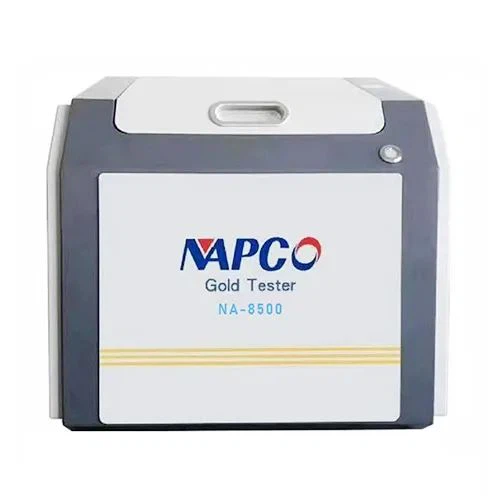
Different XRF machine models have different capabilities and sensitivities. Our N1 XRF Gold Tester, NA 6500 XRF Gold Tester, and NA 8500 XRF Gold Tester each have their own optimal filter settings. The N1 XRF Gold Tester is a great option for small - scale testing and might have a set of filters that are more suitable for quick, on - the - spot measurements. The NA 6500 and NA 8500, being more advanced models, offer a wider range of filter options to handle different types of samples and testing requirements.
Types of Filters and Their Applications
Aluminum Filters
Aluminum filters are quite common and are useful in many gold - testing scenarios. They can absorb low - energy X - rays, which helps in reducing the background noise. This is especially helpful when testing samples with a lot of light elements. Aluminum filters are also relatively inexpensive and easy to replace, making them a popular choice for general - purpose gold testing.

Copper Filters
Copper filters are great for samples that have a significant amount of iron or other elements with similar X - ray energies. Copper can absorb the X - rays emitted by these interfering elements, allowing the XRF machine to focus on the gold signal. If your samples are likely to have iron impurities, a copper filter can improve the accuracy of your gold measurements.
Molybdenum Filters
Molybdenum filters are often used when testing samples with a high concentration of heavy elements. They can help in separating the X - rays of heavy elements from the gold signal. This is useful when dealing with gold alloys that have been mixed with elements like tungsten or platinum. A molybdenum filter can ensure that the XRF machine can accurately detect the gold without being misled by the X - rays of these heavy elements.
Our Recommendations
Based on our experience as an XRF machine gold supplier, here are some general recommendations:
- For high - purity gold testing with minimal interference from other elements, an aluminum filter is a good starting point. It can provide a clean signal and is easy to work with.
- If your samples have a moderate amount of interfering elements like copper or silver, a copper filter can be a great addition. It can enhance the accuracy of your gold measurements by reducing the interference from these elements.
- When dealing with samples that have a high concentration of heavy elements or a complex elemental composition, a molybdenum filter might be the best choice. It can handle the more challenging testing scenarios and give you reliable results.
Conclusion
Selecting the appropriate filter on an XRF machine for gold testing is not a one - size - fits - all process. It requires careful consideration of factors like gold purity, the presence of other elements, sample size and shape, and the machine model. By taking these factors into account and choosing the right filter, you can significantly improve the accuracy of your gold testing.
At our company, we offer a wide range of XRF machines and filters to suit your specific needs. Whether you're a jeweler, a gold refiner, or a quality control professional, we've got the solutions for you. If you're interested in learning more about our products or need help with filter selection for your XRF machine, don't hesitate to reach out. We're here to assist you in getting the most accurate and reliable gold testing results possible. Contact us today to start a discussion about your requirements and how we can help you make the right choice.
References
- Jenkins, R., Gould, R. W., & Gedcke, D. (1995). Quantitative X - ray Spectrometry. Marcel Dekker.
- Bertin, E. P. (1975). Principles and Practice of X - ray Spectrometric Analysis. Plenum Press.