


X-ray fluorescence (XRF) technology has revolutionized the field of gold analysis. As a leading supplier of XRF machines for gold analysis, I'm excited to share a comprehensive guide on how to operate an XRF machine for this crucial task. Whether you're a jeweler, a precious metals dealer, or a researcher, understanding the proper operation of an XRF machine can significantly enhance your ability to accurately determine the gold content in various samples.
Understanding the Basics of XRF Technology for Gold Analysis
Before diving into the operation of the XRF machine, it's essential to grasp the fundamental principles behind XRF technology. XRF is a non-destructive analytical technique that measures the elemental composition of a sample by irradiating it with X-rays. When the X-rays interact with the atoms in the sample, they cause the emission of secondary X-rays, known as fluorescent X-rays. The energy and intensity of these fluorescent X-rays are characteristic of the elements present in the sample, allowing for the identification and quantification of specific elements, including gold.
Preparing the XRF Machine for Gold Analysis
1. Machine Setup
The first step in operating an XRF machine for gold analysis is to ensure that the machine is properly set up. This includes placing the machine on a stable surface, connecting it to a power source, and turning it on. Allow the machine to warm up for the recommended period, typically 15-30 minutes, to ensure accurate and consistent results.
2. Calibration
Calibration is a critical step in XRF analysis as it ensures that the machine provides accurate and reliable results. Most XRF machines come with pre-calibrated settings for gold analysis, but it's still important to perform regular calibration checks using certified reference materials. These reference materials have known gold concentrations and can be used to verify the accuracy of the machine's measurements. Follow the manufacturer's instructions for calibration, which may involve placing the reference material in the sample chamber and running a calibration test.
3. Sample Preparation
Proper sample preparation is essential for accurate gold analysis using an XRF machine. The sample should be clean, dry, and free of any contaminants that could interfere with the analysis. For solid samples, such as jewelry or gold bars, it's recommended to polish the surface to remove any dirt, grease, or oxidation. For powdered or granular samples, ensure that the sample is evenly distributed and packed tightly in the sample cup.

Operating the XRF Machine for Gold Analysis
1. Loading the Sample
Once the machine is set up and calibrated, it's time to load the sample into the XRF machine. Most XRF machines have a sample chamber where the sample can be placed. Carefully place the sample in the sample chamber, ensuring that it is properly positioned and in contact with the X-ray source. Close the sample chamber door securely to prevent any X-ray leakage.
2. Selecting the Analysis Mode
Most XRF machines offer different analysis modes for gold analysis, including qualitative and quantitative analysis. Qualitative analysis is used to identify the elements present in the sample, while quantitative analysis provides the concentration of each element, including gold. Select the appropriate analysis mode based on your specific needs.
3. Running the Analysis
After selecting the analysis mode, start the analysis by pressing the appropriate button on the machine's control panel. The machine will emit X-rays onto the sample and measure the fluorescent X-rays emitted by the sample. The analysis typically takes a few seconds to a few minutes, depending on the machine and the sample type.
4. Interpreting the Results
Once the analysis is complete, the XRF machine will display the results on the screen. The results will typically include the elemental composition of the sample, including the concentration of gold. Pay attention to the units of measurement, which may be expressed as percentage (%), parts per million (ppm), or grams per ton (g/t). Compare the results with the expected values or industry standards to determine the quality and purity of the gold sample.
Troubleshooting Common Issues in XRF Gold Analysis
1. Inaccurate Results
If the XRF machine is providing inaccurate results, there could be several factors at play. Check the calibration of the machine and perform a calibration check using certified reference materials. Ensure that the sample is properly prepared and positioned in the sample chamber. If the problem persists, contact the manufacturer's technical support team for further assistance.
2. X-ray Leakage
X-ray leakage is a serious safety concern in XRF analysis. If you suspect that there is X-ray leakage from the machine, immediately turn off the machine and contact the manufacturer's technical support team. Do not attempt to repair the machine yourself as X-ray radiation can be harmful.
3. Machine Malfunctions
If the XRF machine is experiencing malfunctions, such as error messages or unusual noises, refer to the machine's user manual for troubleshooting instructions. If the problem cannot be resolved, contact the manufacturer's technical support team for further assistance.
Recommended XRF Machines for Gold Analysis
As a supplier of XRF machines for gold analysis, we offer a range of high-quality machines that are suitable for different applications and budgets. Here are some of our recommended XRF machines for gold analysis:
- NAP 8200E XRF Gold Tester: This benchtop XRF gold tester is designed for accurate and fast gold analysis. It features a high-resolution detector and advanced software for precise elemental analysis.
- NA 6500 XRF Gold Tester: The NA 6500 is a compact and portable XRF gold tester that is ideal for on-site gold analysis. It offers high sensitivity and accuracy, making it suitable for a wide range of gold samples.
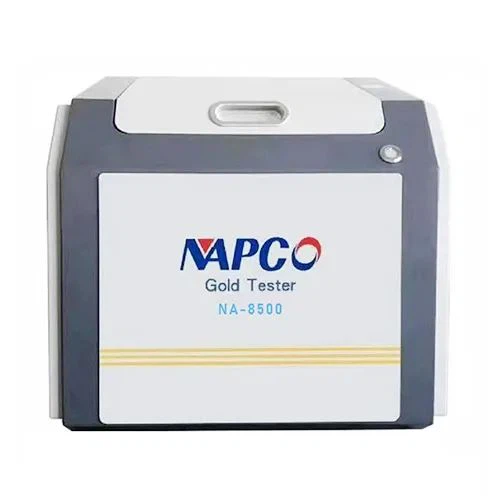
- NA 8500 XRF Gold Tester: This advanced XRF gold tester is designed for high-volume gold analysis. It features a large sample chamber and fast analysis speed, making it suitable for industrial applications.
Contact Us for XRF Machine Purchase and Consultation
If you're interested in purchasing an XRF machine for gold analysis or have any questions about our products and services, please feel free to contact us. Our team of experts is ready to assist you in selecting the right machine for your specific needs and providing you with the necessary training and support. We are committed to providing high-quality products and excellent customer service, and we look forward to working with you.
References
- Jenkins, R., Gould, R. W., & Gedcke, D. (1995). Quantitative X-ray Spectrometry. Marcel Dekker.
- Van Grieken, R., & Markowicz, A. A. (2007). Handbook of X-ray Spectrometry. CRC Press.
- Potts, P. J., & Webb, P. C. (2018). X-ray Fluorescence Spectrometry. Elsevier.