


Calibrating an XRF gold tester is a crucial process that ensures accurate and reliable results when analyzing the purity and composition of gold and other precious metals. As a leading supplier of XRF gold testers, including the NAP 8200E XRF Gold Tester, NA 8500 XRF Gold Tester, and N1 XRF Gold Tester, I understand the importance of proper calibration. In this blog post, I will guide you through the steps of calibrating an XRF gold tester to help you achieve precise and consistent measurements.
Understanding the Basics of XRF Gold Testing
Before diving into the calibration process, it's essential to have a basic understanding of how XRF (X-ray fluorescence) gold testers work. XRF technology uses X-rays to excite the atoms in a sample, causing them to emit characteristic fluorescent X-rays. By analyzing the energy and intensity of these fluorescent X-rays, the XRF gold tester can determine the elemental composition and purity of the sample.
Accurate calibration is necessary because the performance of an XRF gold tester can be affected by various factors, such as changes in the X-ray tube output, detector efficiency, and environmental conditions. Calibration ensures that the tester's readings are aligned with known standards, allowing for reliable and comparable results.
Preparing for Calibration
1. Gather the Necessary Equipment
To calibrate an XRF gold tester, you will need the following items:
- Calibration Standards: These are samples of known composition and purity that are used to calibrate the tester. Calibration standards should cover a range of gold purities and may include other elements commonly found in gold alloys, such as silver, copper, and platinum.
- Cleaning Supplies: Use a soft, lint-free cloth and a mild cleaning solution to clean the sample chamber and the X-ray window of the tester. This helps to remove any dirt, dust, or contaminants that could affect the calibration process.
- Safety Equipment: Wear appropriate safety gear, such as gloves and safety glasses, when handling calibration standards and operating the XRF gold tester.
2. Check the Tester's Environment
Ensure that the XRF gold tester is placed in a stable and controlled environment. The temperature and humidity should be within the recommended range specified by the manufacturer. Fluctuations in temperature and humidity can affect the performance of the tester and lead to inaccurate calibration results.
3. Warm Up the Tester
Turn on the XRF gold tester and allow it to warm up for the recommended period of time, usually 15 - 30 minutes. This allows the X-ray tube and other components to reach a stable operating temperature, which is essential for accurate calibration.
Performing the Calibration
1. Select the Calibration Mode
Most XRF gold testers have a calibration mode that allows you to perform the calibration process. Refer to the tester's user manual to select the appropriate calibration mode and follow the on-screen instructions.
2. Clean the Sample Chamber
Before placing the calibration standards in the sample chamber, clean it thoroughly using the cleaning supplies. This helps to ensure that the calibration standards are not contaminated by any residue from previous samples.
3. Place the Calibration Standards
Carefully place each calibration standard in the sample chamber of the XRF gold tester. Make sure that the standards are positioned correctly and that the X-ray beam is centered on the sample. Follow the manufacturer's instructions for the proper placement of the calibration standards.
4. Run the Calibration Procedure
Once the calibration standards are in place, start the calibration procedure on the XRF gold tester. The tester will automatically measure the X-ray fluorescence of each calibration standard and compare the results to the known values. The calibration process may take several minutes to complete, depending on the number of calibration standards and the complexity of the tester's software.
5. Review and Adjust the Calibration Results
After the calibration procedure is complete, review the calibration results on the tester's display. The results should show the measured values for each calibration standard and the deviation from the known values. If the deviation is within the acceptable range specified by the manufacturer, the calibration is successful. If the deviation is outside the acceptable range, you may need to repeat the calibration process or adjust the calibration settings.
6. Save the Calibration Data
Once you are satisfied with the calibration results, save the calibration data in the XRF gold tester's memory. This ensures that the calibration settings are retained for future use and that the tester will continue to provide accurate and consistent measurements.
Verifying the Calibration
After calibrating the XRF gold tester, it's important to verify the calibration by testing additional samples of known composition. These verification samples should be different from the calibration standards used in the calibration process. Compare the tester's readings for the verification samples to the known values to ensure that the calibration is accurate and reliable.
If the readings for the verification samples are within the acceptable range of the known values, the calibration is considered successful. If there are significant discrepancies, you may need to repeat the calibration process or consult the manufacturer's technical support for further assistance.
Maintaining the Calibration
1. Regular Calibration Checks
To ensure the continued accuracy of your XRF gold tester, it's recommended to perform regular calibration checks. The frequency of calibration checks depends on the usage of the tester and the manufacturer's recommendations. In general, it's a good practice to perform a calibration check at least once a month or whenever there is a significant change in the tester's operating conditions.
2. Proper Maintenance
Regular maintenance of the XRF gold tester is essential for optimal performance and calibration stability. Follow the manufacturer's maintenance schedule and guidelines for cleaning, lubricating, and inspecting the tester. This includes cleaning the sample chamber, replacing the X-ray tube when necessary, and checking the detector for proper operation.
3. Keep Records
Keep detailed records of all calibration procedures, including the date, time, calibration standards used, and the calibration results. These records can be useful for quality control purposes and for demonstrating compliance with industry standards and regulations.
Troubleshooting Calibration Issues
If you encounter any problems during the calibration process or notice inconsistent or inaccurate readings from your XRF gold tester, here are some common issues and solutions:
- Poor Calibration Results: If the calibration results are outside the acceptable range, check the calibration standards for damage or contamination. Make sure that the standards are properly positioned in the sample chamber and that the X-ray beam is centered on the sample. You may also need to repeat the calibration process or adjust the calibration settings.
- Drift in Readings: If the tester's readings start to drift over time, it could be a sign of a problem with the X-ray tube, detector, or other components. Check the tester's operating conditions, including temperature and humidity, and make sure that the tester is properly calibrated. If the problem persists, contact the manufacturer's technical support for further assistance.
- Interference from Other Elements: Some elements can interfere with the XRF measurement of gold, leading to inaccurate readings. If you suspect interference, try using a different calibration standard or adjusting the calibration settings to account for the interfering elements.
Conclusion
Calibrating an XRF gold tester is a critical step in ensuring accurate and reliable measurements of gold purity and composition. By following the steps outlined in this blog post, you can perform the calibration process correctly and maintain the calibration of your XRF gold tester over time.
At [Your Company], we are committed to providing high-quality XRF gold testers and comprehensive support to our customers. Our NAP 8200E XRF Gold Tester, NA 8500 XRF Gold Tester, and N1 XRF Gold Tester are designed to deliver precise and consistent results, and our team of experts is available to assist you with calibration, troubleshooting, and any other technical issues.

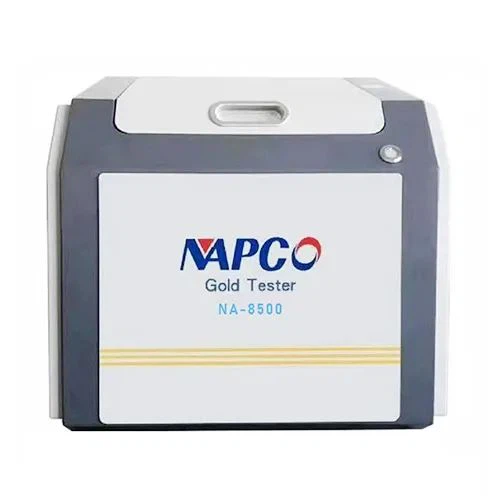
If you are interested in purchasing an XRF gold tester or need further information about calibration and maintenance, we encourage you to contact us for a consultation. Our knowledgeable sales team can help you choose the right tester for your needs and provide you with the support you need to achieve accurate and reliable gold testing results.
References
- [XRF Gold Testing: Principles and Applications](Author, Publisher, Date)
- [User Manual for [Model Name] XRF Gold Tester](Manufacturer, Date)