


XRF, or X-ray fluorescence, is a non-destructive analytical technique widely used in the precious metals industry, especially for testing gold jewelry. As a leading XRF test gold supplier, I'm excited to share with you how XRF testing works on gold jewelry and why it's such a valuable tool for both jewelers and consumers.
The Basics of XRF Technology
At its core, XRF is a method of determining the elemental composition of a sample by measuring the fluorescent X-rays emitted when the sample is irradiated with high-energy X-rays. When X-rays hit the atoms in the sample, they cause the inner electrons of these atoms to be ejected. As a result, electrons from higher energy levels fill the vacancies left by the ejected electrons, and in the process, they emit characteristic X-rays, known as fluorescent X-rays. The energy of these fluorescent X-rays is unique to each element, allowing us to identify and quantify the elements present in the sample.
How XRF Testing is Applied to Gold Jewelry
When it comes to gold jewelry, XRF testing is used to determine the purity of the gold, as well as to detect the presence of other elements that may be alloyed with it. Here's a step-by-step breakdown of how the process works:
1. Sample Preparation
The first step in XRF testing is to prepare the gold jewelry sample. In most cases, this simply involves cleaning the surface of the jewelry to remove any dirt, oil, or other contaminants that could interfere with the test results. No special sample preparation is required, which is one of the advantages of XRF testing – it's non-destructive and can be performed directly on the jewelry piece.

2. Instrument Setup
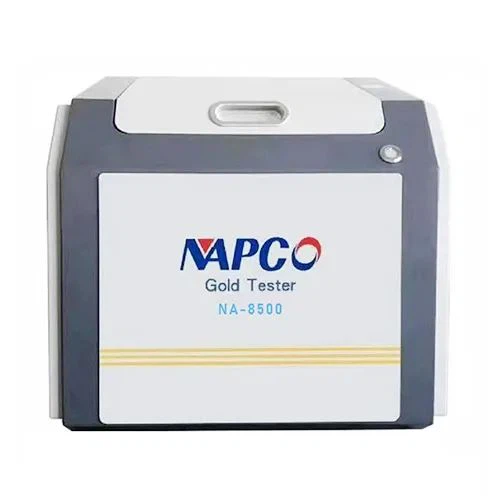
Next, the XRF analyzer needs to be set up for the specific test. This includes selecting the appropriate measurement mode and calibration settings. At our company, we offer a range of high-quality XRF gold testers, such as the N1 XRF Gold Tester, NA 8500 XRF Gold Tester, and NA 6500 XRF Gold Tester, which are all designed to provide accurate and reliable results for gold jewelry testing.
3. Measurement
Once the sample is prepared and the instrument is set up, the gold jewelry is placed in the XRF analyzer. The analyzer then emits a beam of high-energy X-rays onto the surface of the jewelry. As the X-rays interact with the atoms in the gold and other alloying elements, fluorescent X-rays are emitted. These fluorescent X-rays are detected by the analyzer's detector, and the energy and intensity of the detected X-rays are measured.
4. Data Analysis
The measured data is then analyzed by the analyzer's software. The software compares the energy and intensity of the detected X-rays to a database of known elemental spectra to identify the elements present in the sample and to calculate their concentrations. For gold jewelry, the software can determine the purity of the gold, typically expressed in karats (e.g., 18K, 22K), as well as the percentages of other elements such as silver, copper, zinc, and nickel.
5. Result Display
Finally, the test results are displayed on the analyzer's screen or can be printed out. The results typically include the purity of the gold, the percentages of other alloying elements, and in some cases, additional information such as the estimated value of the jewelry based on its gold content.
Advantages of XRF Testing for Gold Jewelry
There are several advantages to using XRF testing for gold jewelry:
Non-destructive
As mentioned earlier, XRF testing is non-destructive, which means that the jewelry piece remains intact after the test. This is particularly important for valuable or antique jewelry, as it allows for accurate testing without causing any damage.
Fast and Accurate
XRF testing is a relatively fast process, typically taking only a few seconds to a few minutes to obtain results. The results are also highly accurate, with modern XRF analyzers capable of detecting trace amounts of elements and providing precise measurements of gold purity.
Multi-element Analysis
XRF testing can analyze multiple elements simultaneously, allowing for a comprehensive analysis of the gold jewelry's composition. This is useful for identifying the presence of other alloying elements, which can affect the color, hardness, and other properties of the jewelry.
Portable and Easy to Use
Many XRF analyzers are portable and easy to use, making them suitable for use in a variety of settings, including jewelry stores, pawn shops, and precious metals refineries. Our XRF gold testers are designed with user-friendly interfaces and intuitive software, making them accessible to both experienced professionals and beginners.
Applications of XRF Testing in the Gold Jewelry Industry
XRF testing has a wide range of applications in the gold jewelry industry:
Jewelry Authentication
XRF testing is commonly used to authenticate gold jewelry and ensure its quality and purity. By accurately determining the gold content and the presence of other elements, jewelers can verify the authenticity of the jewelry and provide customers with confidence in their purchases.
Quality Control
Jewelry manufacturers use XRF testing as part of their quality control process to ensure that their products meet the required standards of gold purity and composition. This helps to maintain the quality and consistency of their jewelry lines.
Recycling and Refining
In the gold recycling and refining industry, XRF testing is used to determine the value of scrap gold jewelry by accurately measuring its gold content. This information is crucial for determining the appropriate price to pay for the scrap gold and for ensuring that the refining process is efficient and cost-effective.
Appraisal
Appraisers use XRF testing to provide accurate appraisals of gold jewelry based on its composition and purity. This is important for insurance purposes, estate planning, and other situations where an accurate valuation of the jewelry is required.
Conclusion
In conclusion, XRF testing is a powerful and versatile tool for the gold jewelry industry. It provides a non-destructive, fast, and accurate way to determine the purity and composition of gold jewelry, making it an essential tool for jewelers, consumers, and other stakeholders in the precious metals market. As a leading XRF test gold supplier, we are committed to providing high-quality XRF gold testers and excellent customer service to meet the needs of our clients.
If you're interested in learning more about our XRF gold testers or have any questions about XRF testing for gold jewelry, please don't hesitate to contact us. We'd be happy to discuss your specific requirements and help you find the right solution for your needs.
References
- "X-ray Fluorescence Spectroscopy: Principles and Applications" by Ronald Jenkins
- "Precious Metals Analysis: Techniques and Applications" by David A. Johnson