


As a supplier of gold purity testers, I often encounter inquiries from customers about whether our products comply with international standards. This is a crucial question, as compliance with these standards not only ensures the accuracy and reliability of the testing results but also builds trust among users in different parts of the world. In this blog, I will delve into the topic of whether our gold purity testers meet international standards and provide insights into the significance of these standards in the gold testing industry.

Understanding International Standards in Gold Testing
Before discussing whether our gold purity testers comply with international standards, it is essential to understand what these standards entail. International standards for gold testing are established by various organizations, such as the International Organization for Standardization (ISO) and the American Society for Testing and Materials (ASTM). These standards define the methods, procedures, and requirements for accurately determining the purity of gold.
One of the key aspects of these standards is the accuracy of the testing results. Gold purity is typically expressed in karats, with 24 karats representing pure gold. A reliable gold purity tester should be able to provide accurate measurements within a narrow margin of error. For example, ISO standards may require a certain level of precision, such as a measurement accuracy of ±0.1 karats for gold alloys.
Another important factor is the safety and environmental impact of the testing equipment. International standards often set guidelines for the use of materials, radiation levels (in the case of X-ray fluorescence (XRF) testers), and other aspects to ensure the well-being of users and the environment.
Our Gold Purity Testers and International Standards
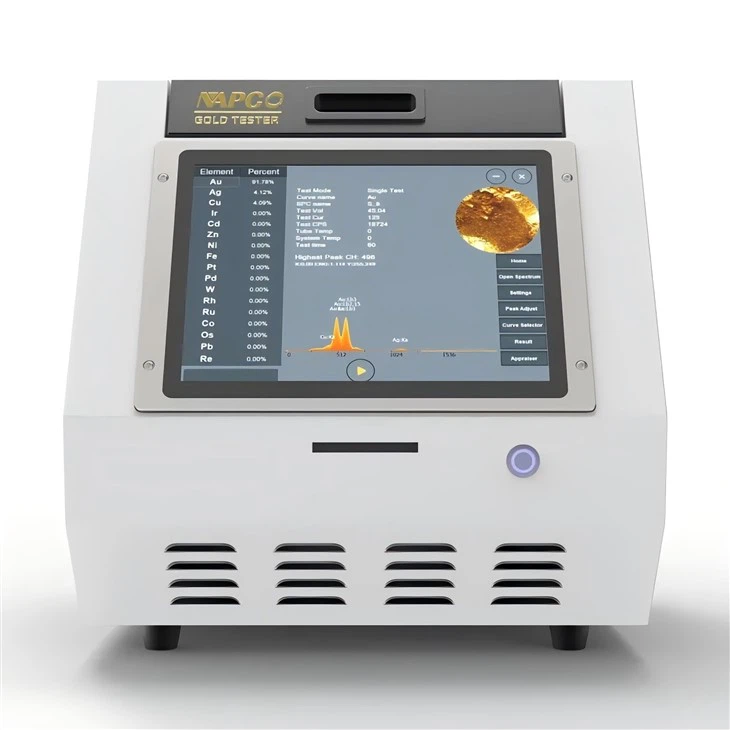
At our company, we are committed to producing gold purity testers that meet or exceed international standards. Our product line includes several advanced XRF gold testers, such as the NA 6500 XRF Gold Tester, the NAP 8200E XRF Gold Tester, and the NA 8500 XRF Gold Tester. These testers are designed with the latest technology and undergo rigorous testing and calibration processes to ensure their accuracy and reliability.
Accuracy and Precision
Our XRF gold testers are capable of providing highly accurate measurements of gold purity. They use advanced X-ray fluorescence technology to analyze the elemental composition of the gold sample. By measuring the characteristic X-rays emitted by different elements in the sample, the tester can determine the exact percentage of gold and other metals present. Our testers are calibrated using certified reference materials to ensure that the measurements are within the acceptable range of international standards.
For example, the NA 6500 XRF Gold Tester has been independently tested and verified to provide measurement accuracy of ±0.1 karats for most common gold alloys. This level of accuracy allows users to confidently determine the purity of their gold samples, whether they are dealing with jewelry, bullion, or other gold products.
Safety and Environmental Compliance
In addition to accuracy, our gold purity testers are designed with safety and environmental considerations in mind. XRF testers use low-energy X-rays to analyze the samples, and our products are equipped with advanced shielding and safety features to minimize the radiation exposure to users. We comply with all relevant international standards regarding radiation safety, such as those set by the International Atomic Energy Agency (IAEA).
Furthermore, our testers are built using high-quality materials that are environmentally friendly. We strive to reduce the environmental impact of our products throughout their lifecycle, from production to disposal.
The Significance of Compliance with International Standards
Complying with international standards is not only a matter of regulatory requirement but also a strategic advantage for our company. Here are some of the key benefits of using gold purity testers that meet international standards:
Global Market Access
In today's globalized economy, having products that comply with international standards is essential for accessing international markets. Many countries and regions have strict regulations regarding the import and sale of gold testing equipment. By ensuring that our testers meet these standards, we can expand our customer base and reach new markets around the world.
Customer Trust
Customers, especially those in the gold industry, rely on accurate and reliable testing results. When they choose a gold purity tester that complies with international standards, they can have confidence in the quality and integrity of the product. This trust leads to increased customer satisfaction and loyalty, which is crucial for the long-term success of our business.
Industry Reputation
Compliance with international standards also enhances our company's reputation in the gold testing industry. It demonstrates our commitment to quality, innovation, and excellence. As a result, we are recognized as a reliable and trustworthy supplier of gold purity testers, which helps us to stay competitive in the market.
Conclusion
In conclusion, our gold purity testers, including the NA 6500 XRF Gold Tester, the NAP 8200E XRF Gold Tester, and the NA 8500 XRF Gold Tester, are designed to comply with international standards. We are committed to providing our customers with accurate, reliable, and safe gold testing solutions.
If you are in the market for a high-quality gold purity tester, we invite you to contact us for more information. Our team of experts is ready to assist you in choosing the right product for your needs and to answer any questions you may have. Whether you are a jeweler, a gold dealer, or a laboratory, our gold purity testers can help you make informed decisions about the purity of your gold samples.
References
- International Organization for Standardization (ISO). (Year). ISO standards for gold testing.
- American Society for Testing and Materials (ASTM). (Year). ASTM standards for gold analysis.
- International Atomic Energy Agency (IAEA). (Year). Radiation safety standards for XRF equipment.