


XRF (X-ray Fluorescence) testing has emerged as a revolutionary technology in various industries, and its application in the gold-jewelry repair industry is a topic of significant interest. As a supplier of XRF gold testing equipment, I've witnessed firsthand the potential and challenges of integrating this technology into jewelry repair workshops. In this blog, I'll explore whether XRF testing can be effectively used in the gold-jewelry repair industry, discussing its benefits, limitations, and practical considerations.
Benefits of XRF Testing in Gold-Jewelry Repair
1. Accurate Alloy Analysis
One of the primary advantages of XRF testing is its ability to provide accurate and rapid analysis of gold alloys. In the jewelry repair industry, knowing the exact composition of the gold is crucial. For example, when repairing a piece of jewelry, a jeweler needs to match the alloy type to ensure a seamless repair. XRF testers can quickly determine the percentage of gold, as well as other metals such as silver, copper, and zinc, in an alloy. This information helps jewelers select the appropriate solder and other materials for the repair, ensuring that the repaired piece maintains its original quality and appearance.
Our NA 6500 XRF Gold Tester is designed to offer high-precision alloy analysis. It can detect a wide range of elements commonly found in gold jewelry, providing detailed reports on the alloy composition. This allows jewelers to make informed decisions during the repair process, reducing the risk of mismatched alloys and improving the overall quality of the repair.
2. Non-Destructive Testing
Unlike some traditional testing methods that may damage the jewelry, XRF testing is non-destructive. This is a significant advantage in the jewelry repair industry, where preserving the integrity of the piece is essential. Whether it's a valuable antique or a modern designer piece, XRF testing can be performed without leaving any visible marks or causing any damage to the jewelry. This means that jewelers can test the gold before and after the repair process to ensure that the alloy composition remains consistent and that the repair has been successful.
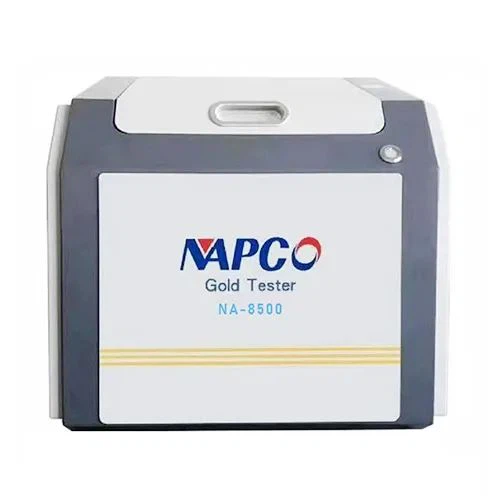

The NA 8500 XRF Gold Tester is known for its non-destructive testing capabilities. It uses advanced X-ray technology to analyze the surface of the gold without causing any harm. This makes it an ideal tool for jewelers who want to ensure the quality of their repairs without compromising the integrity of the jewelry.
3. Quality Control
XRF testing also plays a crucial role in quality control in the gold-jewelry repair industry. By regularly testing the gold used in repairs, jewelers can ensure that they are using high-quality materials and that the repairs meet industry standards. This helps build trust with customers, who expect their jewelry to be repaired to the highest possible standard. Additionally, XRF testing can help detect any impurities or counterfeit materials in the gold, protecting both the jeweler and the customer from potential fraud.
Our NAP 8200E XRF Gold Tester is equipped with advanced software that can generate detailed reports on the quality of the gold. These reports can be used for internal quality control purposes or provided to customers as proof of the authenticity and quality of the repair.
Limitations of XRF Testing in Gold-Jewelry Repair
1. Surface Analysis
One of the limitations of XRF testing is that it is primarily a surface analysis technique. It can only provide information about the composition of the outer layer of the gold. In some cases, the outer layer may not be representative of the entire piece, especially if the jewelry has been plated or if there are inclusions or impurities beneath the surface. This means that XRF testing may not always provide a complete picture of the gold's composition, and additional testing methods may be required in some situations.
2. Cost
Another limitation of XRF testing is the cost. XRF testers can be expensive to purchase and maintain, especially for small jewelry repair shops. In addition to the initial purchase price, there are also costs associated with calibration, maintenance, and training. This can be a significant barrier for some jewelers who may not have the budget to invest in this technology.
3. Operator Skill
XRF testing requires a certain level of operator skill and knowledge. Operators need to be trained to use the equipment properly, interpret the results, and understand the limitations of the technology. Without proper training, there is a risk of inaccurate results, which can lead to incorrect decisions during the repair process.
Practical Considerations for Using XRF Testing in Gold-Jewelry Repair
1. Training and Education
To overcome the limitations related to operator skill, it is essential for jewelers to invest in training and education. Our company offers comprehensive training programs for our XRF testers, ensuring that operators are fully trained to use the equipment effectively and interpret the results accurately. By providing ongoing training and support, we help jewelers get the most out of their XRF testers and ensure the quality of their repairs.
2. Integration with Existing Processes
Jewelers also need to consider how to integrate XRF testing into their existing repair processes. This may involve adjusting the workflow, setting up a dedicated testing area, and establishing procedures for using the equipment. By carefully planning the integration, jewelers can ensure that XRF testing becomes a seamless part of their repair operations, improving efficiency and quality.
3. Cost-Benefit Analysis
Before investing in an XRF tester, jewelers should conduct a cost-benefit analysis. They need to consider the initial purchase price, ongoing maintenance costs, and the potential benefits in terms of improved quality, customer satisfaction, and reduced risk of fraud. By weighing the costs and benefits, jewelers can make an informed decision about whether XRF testing is a viable option for their business.
Conclusion
In conclusion, XRF testing has the potential to be a valuable tool in the gold-jewelry repair industry. Its ability to provide accurate alloy analysis, non-destructive testing, and quality control makes it an attractive option for jewelers who want to improve the quality of their repairs and build trust with their customers. However, it also has some limitations, such as surface analysis, cost, and operator skill requirements. By carefully considering these factors and taking the necessary steps to address them, jewelers can effectively integrate XRF testing into their repair operations.
If you're a jeweler in the gold-jewelry repair industry and are interested in learning more about how XRF testing can benefit your business, we'd be happy to discuss your specific needs. Our team of experts can provide you with detailed information about our XRF testers, including the NA 6500 XRF Gold Tester, NA 8500 XRF Gold Tester, and NAP 8200E XRF Gold Tester. Contact us today to start a conversation about how we can help you take your jewelry repair business to the next level.
References
- "X-ray Fluorescence Spectroscopy: Principles and Applications" by E. J. Kelly
- "Non-Destructive Testing in the Jewelry Industry" by R. L. Smith
- "Quality Control in Gold-Jewelry Repair" by J. M. Johnson