


As a supplier of gold XRF machines, I often get asked whether these machines can be used on gold coins. The short answer is yes, but there are several factors to consider to ensure accurate and reliable results. In this blog post, I'll delve into the details of using gold XRF machines on gold coins, highlighting the benefits, limitations, and best practices.
How Gold XRF Machines Work
Before we discuss using gold XRF machines on gold coins, it's essential to understand how these machines operate. X-ray fluorescence (XRF) technology is a non-destructive analytical technique used to determine the elemental composition of a sample. When an XRF machine emits X-rays onto a sample, the atoms in the sample absorb the X-rays and then emit secondary X-rays with energies characteristic of the elements present. By measuring the energies and intensities of these secondary X-rays, the XRF machine can identify and quantify the elements in the sample.
In the context of gold testing, XRF machines can accurately determine the purity of gold (expressed in karats) and detect the presence of other elements such as silver, copper, platinum, and palladium. This information is crucial for assessing the value of gold coins, as the purity and composition of the coin can significantly impact its market price.
Benefits of Using Gold XRF Machines on Gold Coins
There are several advantages to using gold XRF machines for testing gold coins:
- Non-destructive testing: One of the most significant benefits of XRF technology is that it is non-destructive. Unlike traditional testing methods such as acid testing or fire assay, which can damage or destroy the coin, XRF testing allows you to determine the purity of the coin without altering its physical appearance or value. This is particularly important for rare or collectible coins, where preserving the coin's integrity is essential.
- Fast and accurate results: Gold XRF machines can provide results in a matter of seconds to minutes, depending on the machine and the complexity of the sample. This allows for quick and efficient testing, making it ideal for high-volume applications such as coin grading and authentication. Additionally, modern XRF machines are highly accurate, with the ability to detect trace elements and provide precise measurements of gold purity.
- Versatility: Gold XRF machines can be used to test a wide range of gold coins, including bullion coins, commemorative coins, and ancient coins. Whether you're a coin dealer, collector, or investor, an XRF machine can help you make informed decisions about the value and authenticity of your coins.
Limitations of Using Gold XRF Machines on Gold Coins
While gold XRF machines offer many benefits, it's important to be aware of their limitations:
- Surface analysis: XRF machines primarily analyze the surface of the sample, which means that they may not accurately represent the entire composition of the coin. If the coin has a plating or coating, the XRF machine may only detect the elements in the surface layer, leading to inaccurate results. To overcome this limitation, it's recommended to test multiple areas of the coin or use other testing methods in conjunction with XRF testing.
- Interference from other elements: The presence of certain elements in the coin can interfere with the XRF analysis and affect the accuracy of the results. For example, if the coin contains high levels of iron or nickel, these elements can absorb the X-rays and reduce the intensity of the secondary X-rays emitted by the gold, making it more difficult to accurately measure the gold purity. To minimize interference, it's important to choose an XRF machine with advanced filtering and calibration capabilities.
- Limited depth of analysis: XRF machines can only analyze a limited depth of the sample, typically a few micrometers to a few millimeters. This means that they may not be able to detect impurities or inclusions that are located deep within the coin. If you suspect that the coin has internal defects or impurities, it may be necessary to use other testing methods such as ultrasonic testing or microscopy.
Best Practices for Using Gold XRF Machines on Gold Coins
To ensure accurate and reliable results when using a gold XRF machine on gold coins, it's important to follow these best practices:
- Clean the coin: Before testing the coin, it's important to clean it thoroughly to remove any dirt, debris, or contaminants that may affect the XRF analysis. You can use a soft brush and mild detergent to clean the coin, followed by rinsing it with distilled water and drying it with a soft cloth.
- Test multiple areas: To obtain a more accurate representation of the coin's composition, it's recommended to test multiple areas of the coin. This can help to identify any variations in the gold purity or the presence of surface contaminants.
- Use a calibration standard: To ensure the accuracy of the XRF machine, it's important to use a calibration standard with a known composition. This allows you to verify the performance of the machine and adjust the settings as needed to obtain accurate results.
- Follow the manufacturer's instructions: Each gold XRF machine has its own operating instructions and specifications, so it's important to follow the manufacturer's recommendations carefully. This includes proper sample preparation, machine calibration, and maintenance procedures.
Recommended Gold XRF Machines for Testing Gold Coins
As a supplier of gold XRF machines, I recommend the following models for testing gold coins:

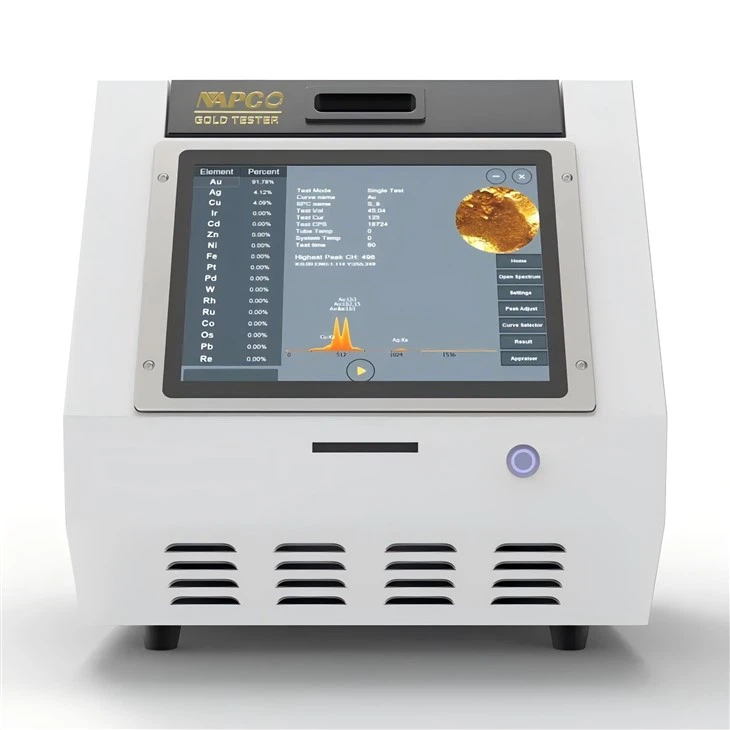
- NAP 8200E XRF Gold Tester: The NAP 8200E is a high-performance benchtop XRF machine that offers fast and accurate analysis of gold coins. It features advanced filtering and calibration capabilities to minimize interference from other elements and provide precise measurements of gold purity.
- NA 6500 XRF Gold Tester: The NA 6500 is a versatile benchtop XRF machine that can be used to test a wide range of gold coins. It offers high sensitivity and accuracy, as well as advanced software features for data analysis and reporting.
- N1 XRF Gold Tester: The N1 is a compact and portable XRF machine that is ideal for on-site testing of gold coins. It offers fast and accurate results, as well as easy-to-use software for data management and analysis.
Conclusion
In conclusion, gold XRF machines can be a valuable tool for testing gold coins. They offer non-destructive, fast, and accurate analysis of the coin's composition, allowing you to make informed decisions about its value and authenticity. However, it's important to be aware of the limitations of XRF technology and to follow best practices to ensure accurate and reliable results.
If you're interested in purchasing a gold XRF machine for testing gold coins, I encourage you to contact us to discuss your specific needs and requirements. Our team of experts can help you choose the right machine for your application and provide you with the support and training you need to get the most out of your investment.
References
- Jenkins, R., Gould, R. W., & Gedcke, D. (1981). Quantitative X-ray fluorescence analysis. Marcel Dekker.
- Miller, J. M., & Miller, J. C. (2010). Statistics and chemometrics for analytical chemistry. Pearson Education.
- Van Grieken, R., & Markowicz, A. A. (2002). Handbook of X-ray spectrometry. Marcel Dekker.