


As a supplier of high - quality gold XRF machines, I often receive inquiries from customers about the suitability of our devices in various environmental conditions, especially humid environments. In this blog post, I will delve into the topic of whether a gold XRF machine can be used in humid environments, exploring the challenges, potential solutions, and best practices.
Understanding Gold XRF Machines
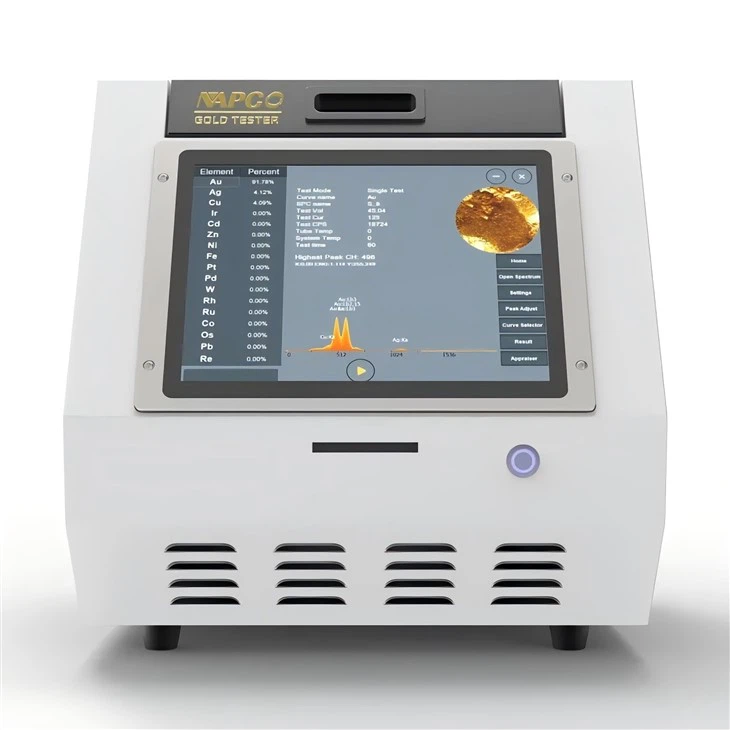
Before we discuss the impact of humidity, let's briefly understand what a gold XRF machine is. XRF, or X - ray fluorescence, is a non - destructive analytical technique used to determine the elemental composition of a sample. Gold XRF machines, such as our NAP 8200E XRF Gold Tester, N1 - 25 XRF Gold Tester, and N1 - 10 XRF Gold Tester, are specifically designed to analyze the purity and composition of gold and other precious metals. These machines emit X - rays onto the sample, and the resulting fluorescence is measured to identify and quantify the elements present.
Challenges of Using Gold XRF Machines in Humid Environments
1. Corrosion
Humidity can lead to corrosion of the internal components of the XRF machine. Moisture in the air can react with metal parts, such as the X - ray tube, detectors, and electrical connections. Corrosion can cause damage to these components, leading to reduced performance, inaccurate readings, and even complete failure of the machine. For example, if the electrical contacts corrode, it can disrupt the flow of electricity, affecting the operation of the XRF detector and the overall functionality of the machine.
2. Condensation
In a humid environment, there is a risk of condensation forming inside the XRF machine. When the temperature of the machine's internal components drops below the dew point of the surrounding air, water vapor in the air will condense on the surfaces. Condensation can short - circuit electrical components, damage printed circuit boards, and cause rusting. Moreover, water droplets on the X - ray tube or detector can interfere with the X - ray emission and detection process, leading to unreliable results.
3. Impact on Sample Analysis
Humidity can also affect the sample being analyzed. Moisture on the surface of the gold sample can absorb and scatter X - rays, altering the fluorescence signal received by the detector. This can result in inaccurate measurements of the gold purity and the presence of other elements. Additionally, if the sample is stored in a humid environment before analysis, it may develop a thin layer of oxidation or corrosion, which can also affect the analysis results.
Solutions and Best Practices
1. Environmental Control
The most effective way to use a gold XRF machine in a humid environment is to control the environmental conditions. This can be achieved by using dehumidifiers to reduce the relative humidity in the room where the machine is located. Ideally, the relative humidity should be maintained between 30% and 50%. Air - conditioning systems can also help regulate the temperature and humidity levels. By keeping the environment stable, the risk of corrosion, condensation, and sample contamination can be significantly reduced.
2. Protective Enclosures
Using a protective enclosure for the XRF machine can provide an additional layer of protection against humidity. A sealed enclosure can prevent moisture from entering the machine. Some enclosures are designed with built - in desiccants to absorb any residual moisture. However, it is important to ensure that the enclosure does not interfere with the ventilation and cooling of the machine, as overheating can also cause damage to the components.
3. Regular Maintenance
Regular maintenance is crucial when using a gold XRF machine in a humid environment. This includes cleaning the machine's internal and external components to remove any moisture or corrosion. The electrical connections should be inspected regularly for signs of damage or corrosion, and any affected parts should be replaced promptly. Additionally, the XRF machine should be calibrated regularly to ensure accurate results, especially in a humid environment where the performance of the machine may be affected.
4. Sample Preparation
Proper sample preparation is essential to obtain accurate results in a humid environment. The gold sample should be cleaned and dried thoroughly before analysis to remove any moisture or contaminants on the surface. This can be done by using a clean, dry cloth or by gently heating the sample to evaporate the moisture. It is also important to store the samples in a dry environment to prevent oxidation and corrosion.
Case Studies
Let's look at some real - world examples of using gold XRF machines in humid environments. A jewelry manufacturing company in a coastal area was experiencing issues with inaccurate readings from their XRF machine. The high humidity in the area was causing condensation inside the machine, leading to electrical problems and inconsistent results. After implementing a dehumidifier in the testing room and improving the sample preparation process, the company was able to achieve more accurate and reliable results. The relative humidity in the room was maintained at around 40%, and the XRF machine's performance improved significantly.
Another example is a gold trading company that operates in a tropical region. They used a protective enclosure for their XRF machine and regularly maintained it to prevent corrosion. By following these practices, they were able to use the machine effectively in the humid environment and ensure the accuracy of their gold purity analysis.

Conclusion
In conclusion, while using a gold XRF machine in a humid environment presents several challenges, it is possible with the right precautions and best practices. Environmental control, protective enclosures, regular maintenance, and proper sample preparation are key to ensuring the reliable operation of the machine and accurate analysis results.
If you are interested in purchasing a gold XRF machine and have concerns about using it in a humid environment, our team of experts is here to help. We can provide you with detailed information on how to protect and maintain our machines in various environmental conditions. Contact us today to discuss your specific requirements and start a procurement negotiation.
References
- ASTM International. (20XX). Standard test methods for analysis of precious metals by X - ray fluorescence spectrometry.
- ISO (International Organization for Standardization). (20XX). ISO standards related to environmental conditions for laboratory equipment.
- Manufacturer's manuals for NAP 8200E XRF Gold Tester, N1 - 25 XRF Gold Tester, and N1 - 10 XRF Gold Tester.