


When it comes to evaluating the authenticity and quality of gold pendants, a gold tester can be an invaluable tool. As a supplier of high - end gold testers, I've witnessed firsthand the importance of accurate gold testing in the jewelry industry. In this blog, I'll explore whether a gold tester can be used on gold pendants, how these testers work, and the benefits they offer.
Can a Gold Tester Be Used on Gold Pendants?
The short answer is yes. Gold pendants, like any other gold - made items, can and should be tested using a gold tester. Gold pendants come in a wide variety of styles, sizes, and purity levels. They can be crafted from different gold alloys, which may contain other metals such as copper, silver, or zinc. These alloys affect the color, hardness, and value of the pendant. A gold tester can accurately determine the purity of the gold in the pendant, helping both sellers and buyers make informed decisions.
How Gold Testers Work
There are several types of gold testers available on the market, but the most advanced and widely used ones are XRF (X - Ray Fluorescence) gold testers. These testers use X - ray technology to analyze the elemental composition of the gold pendant.
When an XRF gold tester is pointed at a gold pendant, it emits X - rays that penetrate the surface of the pendant. These X - rays interact with the atoms in the gold and other metals present in the alloy. As a result, the atoms emit secondary X - rays with characteristic energies that are unique to each element. The detector in the gold tester measures these secondary X - rays and analyzes their energy spectrum. By comparing the spectrum with a database of known elemental spectra, the tester can accurately determine the percentage of gold and other metals in the pendant.
Advantages of Using a Gold Tester on Gold Pendants
For Sellers
- Accurate Pricing: Sellers can use a gold tester to accurately determine the purity of the gold pendants they are selling. This allows them to price their products fairly based on the actual gold content, which builds trust with customers. For example, if a seller has a pendant that they initially thought was 18K gold but the tester reveals it to be 14K, they can adjust the price accordingly.
- Quality Assurance: By testing each pendant, sellers can ensure that they are offering high - quality products. This helps in maintaining a good reputation in the market and can lead to repeat business.
For Buyers
- Avoiding Fraud: Gold is a valuable commodity, and unfortunately, there are fraudsters in the market who may try to sell fake or low - quality gold pendants. A gold tester gives buyers the confidence that they are getting what they pay for. They can test the pendant before making a purchase to ensure that it is of the claimed purity.
- Informed Purchasing Decisions: Buyers can use the test results to compare different gold pendants and choose the one that best suits their needs and budget. For instance, if a buyer is looking for a pendant with a high gold content, they can use the tester to find the one with the highest percentage of pure gold.
Our Gold Testers for Testing Gold Pendants
As a supplier, we offer a range of top - of - the - line gold testers that are perfect for testing gold pendants. Here are some of our popular models:
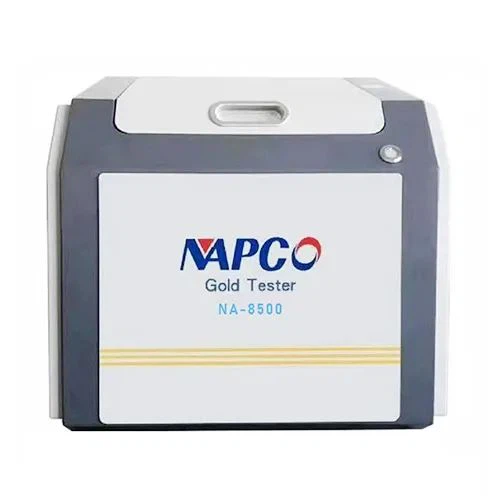

- NAP 8200E XRF Gold Tester: This benchtop gold tester is known for its high accuracy and fast testing speed. It can analyze multiple elements in the gold pendant simultaneously, providing detailed and reliable results in a matter of seconds.
- NA 8500 XRF Gold Tester: The NA 8500 is a versatile gold tester that offers advanced features such as a large touch - screen display and easy - to - use software. It is suitable for both professional jewelers and small - scale gold dealers.
- NA 6500 XRF Gold Tester: This gold tester is a cost - effective option without compromising on quality. It provides accurate results for gold pendants and other gold items, making it a popular choice among entry - level users.
Considerations When Testing Gold Pendants
While gold testers are highly accurate, there are a few factors that can affect the test results when testing gold pendants.
- Surface Contamination: If the pendant has dirt, oil, or other contaminants on its surface, it can interfere with the X - ray analysis. It is important to clean the pendant thoroughly before testing to ensure accurate results.
- Pendant Design: Some pendants may have complex designs or be镶 with gemstones. In such cases, the tester may need to be adjusted or the pendant may need to be tested from different angles to get an accurate reading of the gold content.
- Alloy Variations: Different gold alloys may have different physical and chemical properties. Some alloys may have a non - uniform distribution of metals, which can make it more challenging to get an accurate measurement. However, our advanced XRF gold testers are designed to handle these variations and provide reliable results.
Conclusion
In conclusion, a gold tester can and should be used on gold pendants. Whether you are a seller looking to accurately price your products or a buyer wanting to avoid fraud, a gold tester provides a reliable way to determine the purity of the gold in the pendant. Our range of XRF gold testers, including the NAP 8200E XRF Gold Tester, NA 8500 XRF Gold Tester, and NA 6500 XRF Gold Tester, offer high - accuracy testing for gold pendants.
If you are interested in purchasing a gold tester for your business or personal use, we invite you to contact us for a detailed discussion. Our team of experts is ready to assist you in choosing the right gold tester for your needs and providing you with all the necessary information and support.
References
- “X - Ray Fluorescence Spectroscopy for Gold Analysis” - Journal of Analytical Chemistry
- “The Science of Gold Testing” - International Jewelry Magazine
- Manufacturer's Manuals for NAP 8200E, NA 8500, and NA 6500 XRF Gold Testers