


Can a gold spectrometer be used to test antique gold items? This is a question that often arises among antique collectors, dealers, and enthusiasts. As a supplier of gold spectrometers, I am frequently asked about the suitability of our instruments for testing antique gold. In this blog post, I will explore the capabilities and limitations of gold spectrometers when it comes to antique gold testing, and provide insights into how these tools can be effectively used in the antique gold industry.
Understanding Gold Spectrometers
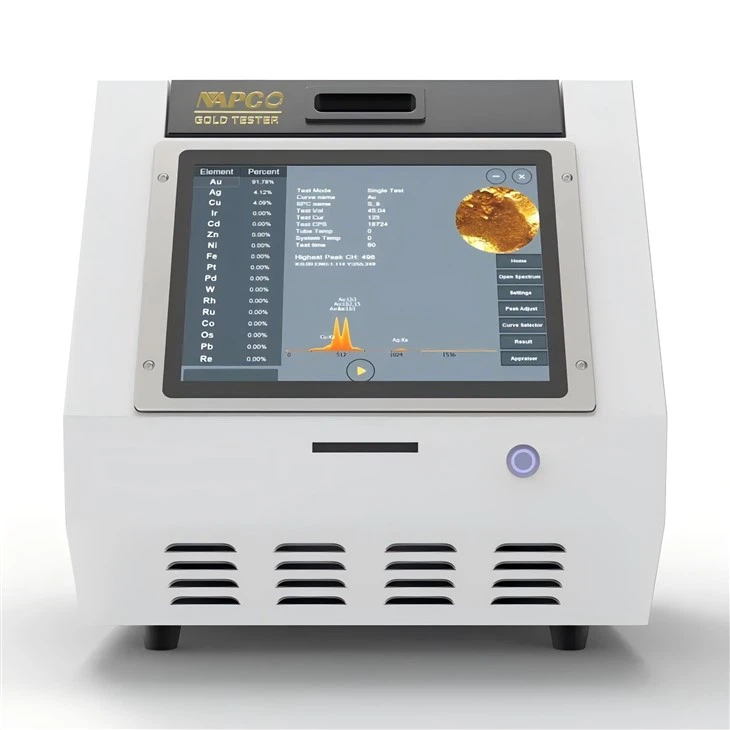
Gold spectrometers, also known as X-ray fluorescence (XRF) analyzers, are advanced analytical instruments that can quickly and non-destructively determine the elemental composition of a sample. These devices work by emitting X-rays onto the surface of the sample, which causes the atoms in the sample to emit secondary X-rays. The energy and intensity of these secondary X-rays are then measured and analyzed to identify the elements present in the sample and their respective concentrations.
Gold spectrometers are widely used in the jewelry industry for testing the purity of gold and other precious metals. They can accurately determine the percentage of gold, silver, platinum, and other alloying elements in a sample, providing valuable information for buyers, sellers, and manufacturers. However, when it comes to antique gold items, the situation is more complex.
The Challenges of Testing Antique Gold
Antique gold items present several challenges that make testing them more difficult than modern jewelry. One of the main challenges is the presence of surface contaminants and patina. Over time, antique gold items may accumulate dirt, oil, oxidation, and other substances on their surfaces, which can interfere with the accuracy of the spectrometer's readings. Additionally, the patina that develops on antique gold can alter the surface composition of the metal, making it more difficult to obtain an accurate measurement of the underlying gold purity.
Another challenge is the presence of non-standard alloy compositions. Antique gold items were often made using different alloying techniques and compositions than modern jewelry. For example, some antique gold items may contain higher percentages of silver or copper, which can affect the accuracy of the spectrometer's readings. Additionally, some antique gold items may have been repaired or altered over the years, which can further complicate the testing process.
Finally, the age and condition of the antique gold item can also affect the accuracy of the spectrometer's readings. As gold ages, it can undergo changes in its crystal structure and composition, which can make it more difficult to obtain an accurate measurement of its purity. Additionally, antique gold items may be more brittle and prone to damage than modern jewelry, which can make it more difficult to handle and test them without causing damage.
The Capabilities of Gold Spectrometers for Testing Antique Gold
Despite these challenges, gold spectrometers can still be a valuable tool for testing antique gold items. When used correctly, these instruments can provide accurate and reliable information about the elemental composition of the sample, which can help to determine its authenticity and value.
One of the main advantages of using a gold spectrometer for testing antique gold is its non-destructive nature. Unlike traditional testing methods, such as acid testing or fire assay, which require the removal of a small sample of the metal for analysis, gold spectrometers can analyze the sample without causing any damage. This is particularly important for antique gold items, which may be rare or valuable and should be preserved as much as possible.
Another advantage of using a gold spectrometer for testing antique gold is its speed and accuracy. Gold spectrometers can provide results in a matter of seconds, allowing for quick and efficient testing of multiple samples. Additionally, these instruments can provide highly accurate results, with a precision of up to 0.1% for gold purity. This level of accuracy is essential for determining the authenticity and value of antique gold items.
Finally, gold spectrometers can provide valuable information about the alloying elements present in the sample, which can help to determine its origin and age. By analyzing the percentage of silver, copper, and other alloying elements in the sample, it is possible to identify the alloy composition used in the manufacturing of the antique gold item. This information can be used to compare the sample to known alloy compositions used in different periods and regions, helping to determine its authenticity and age.
Choosing the Right Gold Spectrometer for Testing Antique Gold
When choosing a gold spectrometer for testing antique gold, it is important to consider several factors. One of the most important factors is the instrument's sensitivity and accuracy. Look for a spectrometer that can provide accurate results for a wide range of gold purity levels, from low-karat gold to high-karat gold. Additionally, consider the instrument's ability to detect trace elements and impurities, which can be important for determining the authenticity and origin of the antique gold item.
Another important factor to consider is the instrument's ease of use and portability. Look for a spectrometer that is easy to operate and requires minimal training. Additionally, consider the instrument's size and weight, as well as its battery life and power requirements. If you need to test antique gold items on-site, a portable spectrometer may be a better option.
Finally, consider the instrument's price and warranty. Gold spectrometers can range in price from a few thousand dollars to tens of thousands of dollars, depending on their features and capabilities. Look for a spectrometer that offers a good balance of features and price, and that comes with a warranty and technical support.
Our Gold Spectrometers for Testing Antique Gold
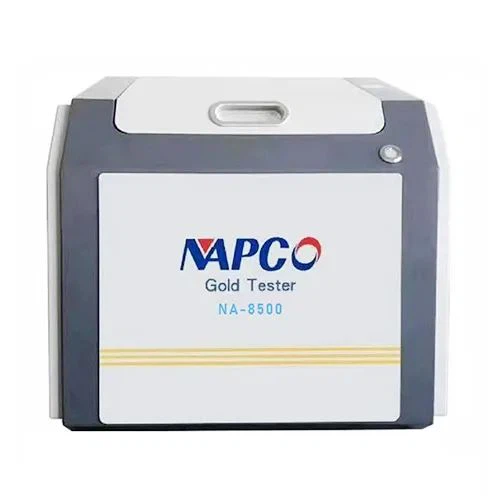
At our company, we offer a range of high-quality gold spectrometers that are suitable for testing antique gold items. Our NA 8500 XRF Gold Tester is a benchtop spectrometer that offers high sensitivity and accuracy, with a precision of up to 0.1% for gold purity. This instrument is ideal for testing a wide range of gold items, including antique gold.
Our NA 6500 XRF Gold Tester is another benchtop spectrometer that offers a good balance of features and price. This instrument is easy to operate and requires minimal training, making it a great option for beginners. Additionally, it offers a high level of accuracy and sensitivity, with a precision of up to 0.1% for gold purity.
Finally, our NAP 8200E XRF Gold Tester is a portable spectrometer that is ideal for testing antique gold items on-site. This instrument is lightweight and easy to carry, and it offers a high level of accuracy and sensitivity, with a precision of up to 0.1% for gold purity.
Conclusion
In conclusion, gold spectrometers can be a valuable tool for testing antique gold items. While there are some challenges associated with testing antique gold, such as the presence of surface contaminants and non-standard alloy compositions, these instruments can still provide accurate and reliable information about the elemental composition of the sample. By choosing the right gold spectrometer and using it correctly, it is possible to obtain valuable information about the authenticity and value of antique gold items.
If you are interested in learning more about our gold spectrometers or would like to discuss your specific testing needs, please contact us. Our team of experts is available to answer your questions and provide you with the information you need to make an informed decision.
References
- "X-ray Fluorescence (XRF) Analysis: Principles and Applications." By David A. Vaughan and John W. Grattan.
- "The Jewelry Handbook: A Comprehensive Guide to Jewelry Making, Design, and Repair." By John Betts.
- "Antique Jewelry: Identification and Value Guide." By Judith Miller and Martin E. Miller.