




As a supplier of digital gold testers, I often encounter inquiries from customers about the feasibility of testing gold items adorned with gemstones. This question is quite common among jewelers, pawnbrokers, and gold enthusiasts who deal with a wide range of precious items. In this blog post, I will delve into the capabilities and limitations of digital gold testers when it comes to testing gold items with gemstones.
Understanding Digital Gold Testers
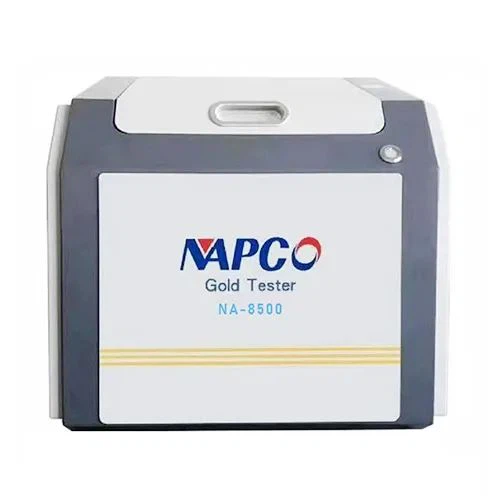
Before we discuss the testing of gold items with gemstones, let's first understand how digital gold testers work. Most modern digital gold testers, such as the NA 8500 XRF Gold Tester, NAP 8200E XRF Gold Tester, and N1 XRF Gold Tester, utilize X-ray fluorescence (XRF) technology. This technology allows the tester to analyze the elemental composition of a sample by emitting X-rays and measuring the fluorescent radiation emitted by the sample.
When an XRF gold tester is used to analyze a gold item, it can determine the purity of the gold (e.g., 14K, 18K, 24K) by measuring the relative amounts of gold and other elements present in the sample. The tester can also detect the presence of other metals, such as silver, copper, and platinum, which are commonly alloyed with gold.
Challenges of Testing Gold Items with Gemstones
Testing gold items with gemstones presents several challenges for digital gold testers. One of the main challenges is that gemstones can interfere with the XRF analysis. Gemstones are made up of different chemical compounds and minerals, which can absorb or scatter the X-rays emitted by the tester. This can lead to inaccurate readings of the gold purity, as the tester may detect the elements in the gemstone instead of the gold.
Another challenge is that gemstones can cover a significant portion of the gold surface, making it difficult for the XRF tester to directly analyze the gold. In some cases, the gemstone may completely block the X-rays from reaching the gold, preventing the tester from obtaining any useful information about the gold purity.
Strategies for Testing Gold Items with Gemstones
Despite these challenges, there are several strategies that can be employed to test gold items with gemstones using a digital gold tester. One approach is to carefully select the testing area on the gold item. Look for areas where the gold is exposed and not covered by the gemstone. This could be the edges of the setting, the back of the item, or any other areas where the gold is visible. By testing these exposed areas, you can obtain a more accurate reading of the gold purity.
Another strategy is to use a lower energy X-ray setting on the tester. Lower energy X-rays are less likely to penetrate the gemstone and are more likely to interact with the gold. This can help to reduce the interference from the gemstone and improve the accuracy of the gold purity measurement.
It is also important to note that some digital gold testers are equipped with advanced algorithms and calibration features that can help to compensate for the presence of gemstones. These features can analyze the XRF data and correct for the interference from the gemstone, providing a more accurate reading of the gold purity.
Case Studies
To illustrate the effectiveness of these strategies, let's consider a few case studies. In one case, a jeweler had a gold ring with a large diamond in the center. The jeweler used a digital gold tester to test the ring by carefully selecting a small exposed area on the side of the setting. By using a lower energy X-ray setting and the advanced calibration features of the tester, the jeweler was able to obtain an accurate reading of the gold purity, despite the presence of the diamond.

In another case, a pawnbroker had a gold necklace with multiple gemstones. The pawnbroker tested the necklace by testing several exposed areas on the chain and using the average of the readings to determine the overall gold purity. This approach helped to reduce the impact of the gemstones on the measurement and provided a more reliable estimate of the gold value.
Conclusion
In conclusion, while testing gold items with gemstones using a digital gold tester can be challenging, it is possible to obtain accurate results with the right strategies and techniques. By carefully selecting the testing area, using a lower energy X-ray setting, and taking advantage of the advanced features of the tester, you can minimize the interference from the gemstones and obtain a reliable measurement of the gold purity.
If you are in the market for a digital gold tester and need to test gold items with gemstones, I encourage you to contact us to discuss your specific requirements. Our team of experts can help you select the right tester for your needs and provide you with the training and support you need to use it effectively.
References
- "X-ray Fluorescence Spectroscopy: Principles and Applications." By R. Jenkins, R. L. Gould, and D. S. Gedcke.
- "Gemstone Identification: A Practical Guide." By Richard T. Liddicoat and Robert E. Kane.
- "Gold and Precious Metals Testing: Methods and Techniques." By John W. Mitchell.