


As a supplier of XRF gold testers, I often encounter questions from customers regarding the performance and accuracy of our products. One frequently asked question is whether XRF gold testers are affected by ambient light. In this blog post, I will delve into this topic, providing a scientific and detailed analysis based on our expertise and experience in the field.
Understanding XRF Gold Testers
XRF, or X-ray fluorescence, is a non-destructive analytical technique used to determine the elemental composition of a sample. In the context of gold testing, XRF gold testers emit X-rays onto the surface of a gold item. These X-rays interact with the atoms in the sample, causing them to emit secondary X-rays with characteristic energies. By analyzing the energies and intensities of these secondary X-rays, the tester can identify and quantify the elements present in the sample, including gold, silver, copper, and other metals.
How Ambient Light Works
Ambient light refers to the natural or artificial light present in the environment where the XRF gold tester is being used. It can come from sources such as sunlight, fluorescent lights, incandescent bulbs, or LEDs. The intensity and color of ambient light can vary depending on the time of day, location, and type of lighting used.
The Interaction between Ambient Light and XRF Gold Testers
To understand whether ambient light affects XRF gold testers, it's essential to consider the operating principles of these devices. XRF gold testers rely on the detection of X-rays emitted by the sample, not visible light. The X-rays used in XRF analysis have much higher energies than visible light and are not affected by the presence of ambient light in the same way.
However, there are a few indirect ways in which ambient light could potentially impact the performance of an XRF gold tester:
- Reflection and Glare: Strong ambient light can cause reflections and glare on the surface of the sample or the tester's window. This can make it difficult to position the sample correctly and may interfere with the proper alignment of the X-ray beam. As a result, the accuracy of the measurement may be compromised.
- Temperature and Humidity: Ambient light is often associated with changes in temperature and humidity. Extreme temperatures or high humidity levels can affect the performance of the XRF gold tester's internal components, such as the detector and the X-ray tube. This can lead to variations in the detector's sensitivity and the stability of the X-ray beam, ultimately affecting the accuracy of the measurement.
- Operator Distraction: Bright ambient light can be distracting for the operator, making it difficult to focus on the testing process. This can increase the likelihood of errors in sample handling, measurement setup, or data interpretation.
Our Experience and Findings
Based on our extensive experience as a supplier of XRF gold testers, we have found that the impact of ambient light on the performance of our products is generally minimal. Our XRF gold testers are designed with advanced shielding and filtering mechanisms to minimize the effects of external interference, including ambient light.
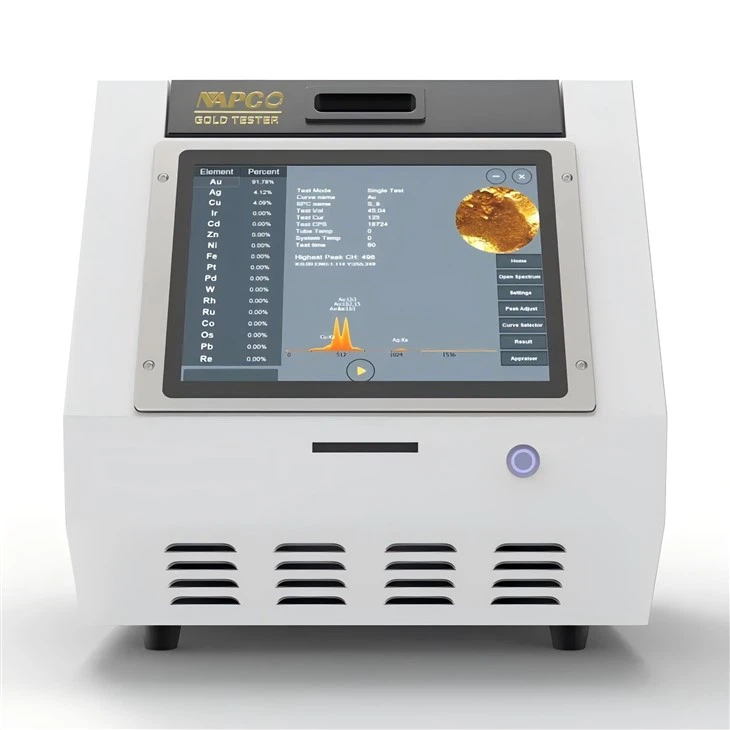
For example, our N1 XRF Gold Tester features a high-resolution detector and a precision X-ray tube, which are housed in a robust enclosure to protect them from external factors. The tester also comes with a built-in anti-glare screen and adjustable lighting to ensure optimal visibility and accuracy during testing.
Similarly, our NA 6500 XRF Gold Tester and NAP 8200E XRF Gold Tester are equipped with state-of-the-art technology and innovative design features to minimize the impact of ambient light and other environmental factors. These testers have been extensively tested in various lighting conditions to ensure consistent and reliable performance.

Best Practices for Using XRF Gold Testers in Different Lighting Conditions
While our XRF gold testers are designed to be highly resistant to the effects of ambient light, there are some best practices that you can follow to ensure optimal performance and accuracy:
- Choose a Suitable Testing Environment: Select a well-lit area with minimal glare and reflections. Avoid testing in direct sunlight or near bright light sources. If possible, use a dedicated testing room or booth to control the lighting conditions.
- Position the Sample Correctly: Make sure the sample is placed flat and centered on the testing platform. Use the tester's alignment guides or crosshairs to ensure proper positioning. If necessary, use a sample holder or fixture to secure the sample in place.
- Adjust the Lighting Settings: Most XRF gold testers have adjustable lighting settings that allow you to optimize the visibility of the sample. Experiment with different lighting levels and angles to find the settings that work best for your specific testing needs.
- Calibrate the Tester Regularly: Regular calibration is essential to ensure the accuracy and reliability of your XRF gold tester. Follow the manufacturer's instructions for calibration and perform it at least once a month or more frequently if necessary.
- Monitor the Temperature and Humidity: Keep the testing environment at a stable temperature and humidity level. Extreme temperatures or high humidity can affect the performance of the tester's internal components. Use a thermometer and hygrometer to monitor the environmental conditions and take appropriate measures to maintain optimal levels.
Conclusion
In conclusion, while ambient light can potentially have some indirect effects on the performance of XRF gold testers, these effects are generally minimal and can be mitigated by following best practices. Our XRF gold testers are designed to be highly resistant to the effects of ambient light and other environmental factors, ensuring accurate and reliable results in a variety of testing conditions.
If you are in the market for an XRF gold tester, we invite you to contact us to learn more about our products and how they can meet your specific testing needs. Our team of experts is available to provide you with detailed information, answer your questions, and assist you in selecting the right tester for your application. Whether you are a jeweler, a precious metals dealer, or a quality control professional, we have the expertise and experience to help you make an informed decision.
References
- "X-ray Fluorescence Spectroscopy: Principles and Applications" by George E. Ewing
- "Handbook of X-ray Spectrometry" by Ronald Jenkins
- Manufacturer's documentation for N1 XRF Gold Tester, NA 6500 XRF Gold Tester, and NAP 8200E XRF Gold Tester