


In the realm of precious metals, accurately determining the purity of gold is of utmost importance. Whether you're a jeweler, a pawnbroker, a gold dealer, or an investor, having reliable information about the gold's quality can significantly impact your business decisions. Digital gold testers have emerged as a popular tool for this purpose, offering a quick and non - destructive way to assess gold purity. But the question that often arises is: Are digital gold testers accurate?
How Digital Gold Testers Work
Before delving into their accuracy, it's essential to understand how digital gold testers operate. There are several types of digital gold testers on the market, with X - Ray Fluorescence (XRF) testers being among the most common and advanced.
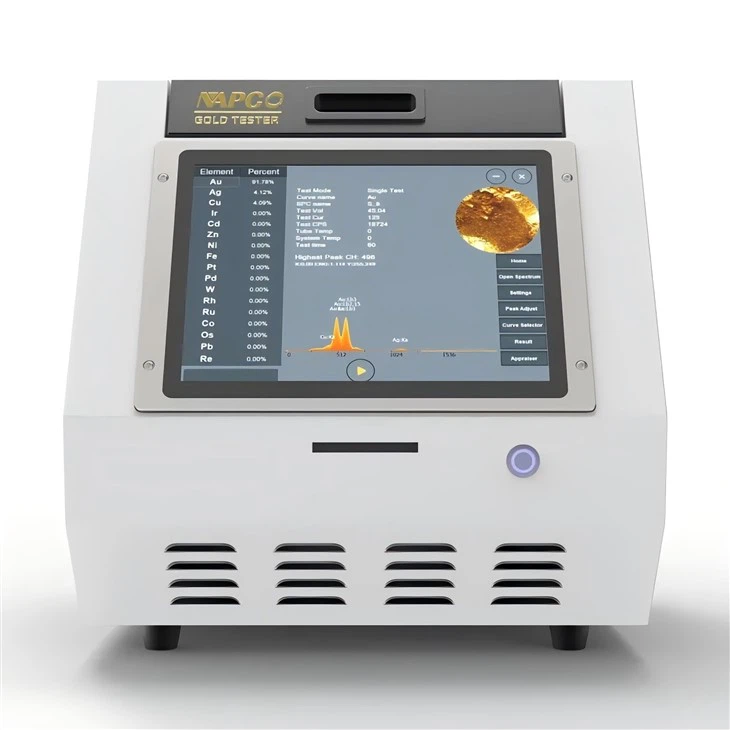
XRF gold testers work by emitting X - rays onto the gold sample. These X - rays interact with the atoms in the sample, causing them to emit secondary X - rays, known as fluorescent X - rays. The energy and intensity of these fluorescent X - rays are characteristic of the elements present in the sample. By analyzing the spectrum of these fluorescent X - rays, the tester can identify and quantify the elements in the gold, including impurities, and determine its purity.
Factors Affecting the Accuracy of Digital Gold Testers
- Quality of the Tester
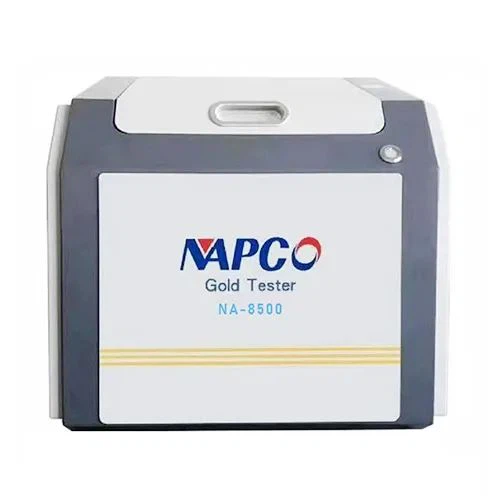
The accuracy of a digital gold tester largely depends on its build quality and the technology it employs. High - end testers, such as the N1 XRF Gold Tester, NAP 8200E XRF Gold Tester, and NA 8500 XRF Gold Tester, are equipped with advanced sensors and sophisticated algorithms that can provide highly accurate results. These testers are designed to minimize interference from external factors and have been calibrated to a high degree of precision.
On the other hand, cheaper or low - quality testers may not have the same level of accuracy. They might have less sensitive sensors, which can lead to inaccurate readings, especially when dealing with samples that have low levels of impurities or complex alloy compositions.
2. Sample Characteristics
The nature of the gold sample itself can also affect the accuracy of the test. For example, if the sample is not homogeneous, meaning that the distribution of elements within the sample is not uniform, the tester may only analyze a small portion of the sample, leading to inaccurate results. This can be a problem with gold jewelry that has been cast or welded, as different parts of the piece may have different compositions.
Surface contamination can also impact the accuracy of the test. If the sample has dirt, oil, or other substances on its surface, these can interfere with the X - ray analysis and produce false readings. Therefore, it's crucial to clean the sample thoroughly before testing.
3. Operator Skill
The accuracy of a digital gold tester is also influenced by the skill and experience of the operator. A trained operator will know how to properly position the sample, select the appropriate testing parameters, and interpret the results. They will also be aware of potential sources of error and take steps to minimize them.
For example, an inexperienced operator may not wait long enough for the tester to stabilize or may not hold the sample correctly, which can lead to inaccurate readings. Training and experience are essential for getting the most accurate results from a digital gold tester.
Real - World Accuracy of Digital Gold Testers
In general, high - quality XRF digital gold testers can provide a high level of accuracy. They can typically determine the purity of gold to within a few percentage points, which is sufficient for most commercial and investment purposes. For example, a well - calibrated XRF tester can accurately distinguish between 14 - karat, 18 - karat, and 24 - karat gold.
However, it's important to note that no testing method is 100% accurate. In some cases, laboratory analysis using techniques such as fire assay may be required for the most precise determination of gold purity. Fire assay involves melting the gold sample and separating the precious metals from the impurities through a series of chemical processes. This method is considered the gold standard (pun intended) for determining gold purity but is more time - consuming, destructive, and expensive than using a digital gold tester.
Advantages of Digital Gold Testers Despite Accuracy Limitations
- Non - Destructive Testing
One of the biggest advantages of digital gold testers is that they are non - destructive. Unlike fire assay, which requires melting the sample, digital gold testers can analyze the sample without causing any damage. This is particularly important for valuable jewelry or collectible items, where preserving the integrity of the piece is crucial. - Speed
Digital gold testers can provide results in a matter of seconds or minutes, depending on the tester and the sample. This is much faster than traditional testing methods, which can take hours or even days. The speed of digital gold testers makes them ideal for use in busy commercial settings, such as jewelry stores or pawnshops, where quick decisions need to be made. - Cost - Effectiveness
Digital gold testers are generally more cost - effective than laboratory analysis. Once you have purchased a tester, the cost of each test is relatively low, mainly consisting of the electricity used and any minor maintenance or calibration costs. This makes them a practical option for small businesses and individual users.
Our Offer as a Digital Gold Tester Supplier
As a supplier of digital gold testers, we understand the importance of accuracy and reliability in precious metal testing. We offer a range of high - quality digital gold testers, including the N1 XRF Gold Tester, NAP 8200E XRF Gold Tester, and NA 8500 XRF Gold Tester, which have been designed to provide accurate and consistent results.
Our testers are backed by our commitment to quality and customer support. We provide comprehensive training and technical assistance to ensure that our customers can use our testers effectively and get the most accurate results. We also offer regular calibration services to maintain the accuracy of our testers over time.
If you're in the market for a digital gold tester, we invite you to contact us to discuss your specific needs. Our team of experts can help you choose the right tester for your business and provide you with all the information you need to make an informed decision. Whether you're a small jewelry store or a large gold trading company, we have a solution that can meet your requirements.
Conclusion
Digital gold testers are a valuable tool for accurately determining the purity of gold. While their accuracy is affected by factors such as the quality of the tester, sample characteristics, and operator skill, high - quality testers can provide a high level of accuracy for most commercial and investment purposes. Their non - destructive nature, speed, and cost - effectiveness make them a popular choice in the precious metals industry.
As a supplier of digital gold testers, we are dedicated to providing our customers with the best products and services. If you're interested in purchasing a digital gold tester or have any questions about our products, please don't hesitate to contact us for further discussion and potential procurement.
References
- "X - Ray Fluorescence Spectroscopy: Principles and Applications" by Ronald Jenkins.
- "Precious Metals: Mining, Exploration, and Recycling" by Peter D. Ray.
- Industry reports on digital gold testing technology.