


Can a digital gold tester be used on antique gold items?
Antique gold items hold a special allure, not only for their historical and artistic value but also for their precious metal content. As a supplier of digital gold testers, I often encounter questions about the suitability of these devices for testing antique gold. In this blog post, I'll delve into the topic to help you understand whether a digital gold tester can be effectively used on antique gold items.
Understanding Digital Gold Testers
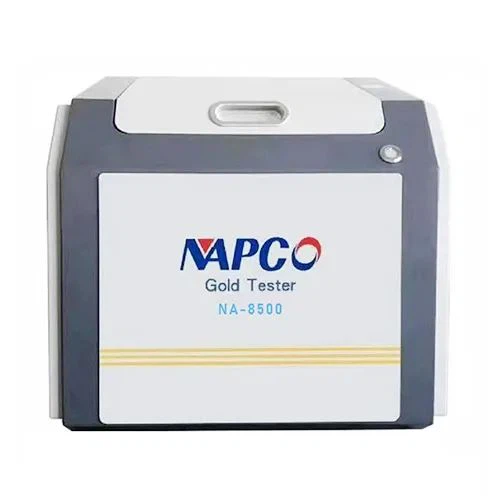
Digital gold testers, such as the NAP 8200E XRF Gold Tester, NA 6500 XRF Gold Tester, and NA 8500 XRF Gold Tester, utilize advanced technologies to analyze the composition of gold and other precious metals. X-ray fluorescence (XRF) technology is commonly employed in these testers. It works by emitting X-rays onto the surface of the gold item. The X-rays interact with the atoms in the metal, causing them to emit secondary X-rays with characteristic energies. By measuring these energies, the tester can determine the elemental composition of the sample, including the purity of the gold.
Factors Affecting the Use of Digital Gold Testers on Antique Gold
Surface Contamination
Antique gold items may have accumulated dirt, grime, or oxidation over time. These surface contaminants can interfere with the accuracy of the digital gold tester. For example, a thick layer of dirt on the surface may absorb or scatter the X-rays, leading to inaccurate readings. Before testing, it's crucial to clean the antique gold item gently using appropriate methods. However, care must be taken not to damage the item, as antique gold is often delicate and may have historical or aesthetic value.
Alloy Variations
Antique gold was often alloyed with other metals for various reasons, such as to increase durability or alter the color. The alloying metals used in antique gold can vary significantly depending on the time period, geographical location, and the intended use of the item. Some antique gold alloys may contain elements that are not commonly found in modern gold alloys. Digital gold testers are calibrated based on known alloy compositions. If the antique gold has an unusual alloy composition, the tester may not provide accurate results. For instance, if an antique gold item contains a high percentage of a rare alloying metal, the tester may misinterpret the results or have difficulty accurately quantifying the gold content.
Surface Alterations
Antique gold items may have undergone surface alterations, such as gilding or plating. Gilding involves applying a thin layer of gold onto a base metal, while plating can be used to enhance the appearance or protect the gold. These surface treatments can pose challenges for digital gold testers. The tester may only detect the surface layer of gold, leading to an overestimation of the overall gold content if the base metal is not properly accounted for. In some cases, the surface layer may be so thin that it can be difficult to accurately measure the underlying alloy composition.
Advantages of Using Digital Gold Testers on Antique Gold
Non - Destructive Testing
One of the significant advantages of using digital gold testers on antique gold items is that they are non - destructive. Unlike traditional testing methods, such as acid testing, which can damage the surface of the gold item, digital gold testers do not require any sample removal. This is crucial for antique gold, as preserving the integrity of the item is of utmost importance. Non - destructive testing allows collectors, dealers, and appraisers to determine the gold content without compromising the historical or aesthetic value of the piece.
Quick Results
Digital gold testers can provide rapid results. In a matter of seconds or minutes, the tester can analyze the composition of the antique gold item and display the results. This is beneficial when dealing with multiple antique gold items or when a quick assessment is needed. For example, in a busy antique shop or during an auction, the ability to quickly test the gold content can help in making informed decisions about the value and authenticity of the items.

Quantitative Analysis
Digital gold testers can provide quantitative information about the gold content in the antique item. They can determine the percentage of gold and other alloying metals present in the sample. This information is valuable for appraisers, who need to accurately assess the value of the antique gold based on its metal content. It can also help collectors and dealers in verifying the authenticity of the item and ensuring that they are getting a fair price.
Limitations and Considerations
Incomplete Information
While digital gold testers can provide information about the elemental composition of the antique gold, they may not provide a complete picture of the item's authenticity. The tester cannot determine the age, origin, or historical significance of the antique gold. Other factors, such as the craftsmanship, design, and provenance, also play important roles in determining the value of an antique gold item. Therefore, digital gold testing should be used in conjunction with other authentication methods, such as historical research, expert appraisal, and visual inspection.
Calibration and Accuracy
The accuracy of digital gold testers depends on proper calibration. Over time, the tester may require recalibration to ensure accurate results. Additionally, the accuracy of the tester can be affected by factors such as the sample size, shape, and the distance between the tester and the sample. When testing antique gold items, it's important to follow the manufacturer's instructions carefully and ensure that the tester is properly calibrated for the specific type of testing being performed.
Best Practices for Using Digital Gold Testers on Antique Gold
Consult an Expert
Before using a digital gold tester on an antique gold item, it's advisable to consult an expert in antique gold. An experienced appraiser or conservator can provide valuable insights into the item's history, composition, and any potential issues that may affect the testing process. They can also offer guidance on the appropriate cleaning and handling methods to ensure the integrity of the item.
Multiple Tests
To increase the accuracy of the results, it's recommended to perform multiple tests on different areas of the antique gold item. This can help account for any variations in the alloy composition or surface conditions. If possible, compare the results of the digital gold tester with other testing methods or the opinion of an expert.
Document the Results
Keep detailed records of the testing process, including the date, time, location, and the results of the digital gold test. This documentation can be useful for future reference, especially if the item is sold or appraised. It can also provide additional evidence of the authenticity and value of the antique gold item.
Conclusion
In conclusion, digital gold testers can be used on antique gold items, but there are several factors to consider. While they offer non - destructive testing, quick results, and quantitative analysis, challenges such as surface contamination, alloy variations, and surface alterations can affect the accuracy of the results. By following best practices, consulting experts, and being aware of the limitations, digital gold testers can be a valuable tool in assessing the gold content of antique gold items.
If you are interested in purchasing a digital gold tester for testing antique gold or other precious metal items, we invite you to contact us for more information and to discuss your specific needs. Our team of experts can provide you with detailed product specifications, pricing, and support to help you make the right choice for your business or collection.
References
- "X - Ray Fluorescence Spectroscopy: Principles and Applications" by Mark A. Marcus
- "Antique Gold: Identification and Valuation" by various authors in the field of antique studies